Enjoy Free US Domestic Shipping on Orders Over $400+

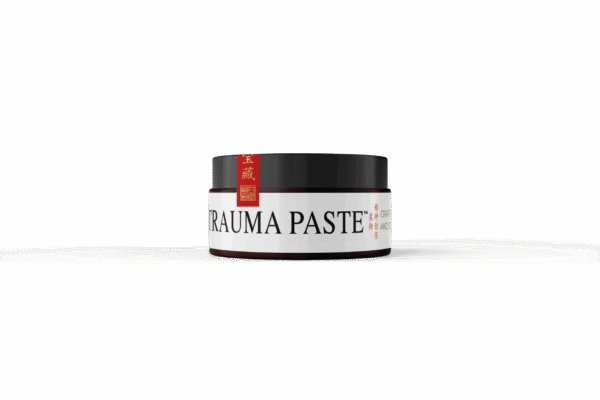
Trauma Paste 精神创伤浆糊
Login to view prices
- ACM/CCM/TCM Global Status: Safe & Effective
1/2 oz
Trauma Paste™ is a professional-grade Herbaceutical inspired by Zheng Gu (Bone-Setting) traditions. Historically applied after fractures, sprains, and dislocations to support structural balance, ligament integrity, and soft tissue focus through external use in manual therapy protocols.
Topical Herbaceutical
Trauma Paste™
Born from the Zheng Gu Lineage
27 Years in Service
Origin
Inspired by the Zheng Gu Tradition
Trauma Paste™ is a professional-grade Herbaceutical formula born of the time-honored traditions of Zheng Gu (正骨), or Chinese Bone-Setting. While the formula’s roots are in classical Chinese trauma medicine, its applications today reach across the full range of clinical disciplines that work with structural injury, joint stiffness, and musculoskeletal recovery — including chiropractic, osteopathy, sports medicine, physical therapy, acupuncture, and orthopedic Western medicine.
Historically, Zheng Gu practices were carried out by specialists trained in both manual techniques and herbal support — often working out of martial arts clinics, monastery infirmaries, and village medicine halls. The Zheng Gu lineage developed at the intersection of Chinese medicine and the martial arts, where the realities of training injuries and combat trauma demanded a sophisticated body of knowledge for setting bones, reducing dislocations, treating sprains, and rehabilitating soft tissue. After physical manipulation, these practitioners would apply warming herbal pastes externally to the affected area to encourage proper alignment, reduce swelling, move stagnant blood, and support the body’s natural restorative processes.
This formula reflects that heritage. It draws upon herbs traditionally included in external applications associated with Zheng Gu work — herbs whose role in moving Blood and Qi, generating new flesh, alleviating pain, and reconnecting sinews and bones has been documented across centuries of classical practice. Each ingredient is prepared with precision and care, reflecting Si Jin Bao’s commitment to quality and tradition.
Pattern It Treats
Blood Stasis from Trauma
The TCM pattern Trauma Paste™ addresses is Blood Stasis with Qi stagnation following physical trauma or accumulated wear on the musculoskeletal system. In classical TCM understanding, physical trauma — whether acute (a fall, a sprain, a dislocation) or chronic (joint stiffness, tendon overuse, arthritic accumulation) — creates stagnation in the local Blood and Qi. That stagnation manifests as swelling, pain, restricted movement, and the slow recovery that practitioners observe clinically.
The Western correlates are familiar: post-injury swelling and inflammation, contusions, sprains and strains, fracture recovery, joint stiffness and arthralgia, tendon and ligament injuries, and the chronic structural complaints that develop in athletes, manual laborers, dancers, and aging bodies. Trauma Paste™ works as a topical adjunct to manual therapy — to be applied after the practitioner’s hands have done their work.
Clinical Indications
- Joint and muscle sprains
- Broken bones · supports the body’s repair process
- Swellings, bruises, and accumulated soft-tissue trauma
- Pain of any type associated with structural injury
- Stiffness in the joints · arthralgia
- Weakness in the legs from injury or chronic stagnation
- Pain and swelling in the lower back and limbs from trauma
- Tendon and ligament injuries
How the Formula Works
Move Blood, Reconnect Sinews, Generate Flesh
Trauma Paste™ works through a small, focused set of herbs — each chosen for its role in moving blood, stopping pain, and supporting the structural repair that defines Zheng Gu work.
Yu Jin (Curcuma Root) and Yan Hu Suo (Corydalis) form the formula’s blood-moving and pain-relieving core. Yu Jin invigorates blood, breaks up stagnation, and clears Heat that develops in chronic injury sites. Yan Hu Suo is one of the most documented analgesic herbs in the materia medica — its principal alkaloids (including dehydrocorydaline and tetrahydropalmatine) have well-studied effects on pain pathways. Together they address the swelling, bruising, and pain that follow physical trauma.
Bai Shao Yao (White Peony Root) softens the formula. Where Yu Jin and Yan Hu Suo move and disperse, Bai Shao nourishes blood, relaxes the sinews, and harmonizes — preventing the moving herbs from over-dispersing while supporting the smooth function of the connective tissue.
Xu Duan (Teasel Root) and Shan Yao (Chinese Yam) bring the structural support layer. Xu Duan’s name means “reconnect the broken” — classical for tonifying Liver and Kidney, strengthening sinews and bones, and supporting tissue repair after fracture or sprain. Shan Yao gently tonifies the underlying Qi and Yin, providing the foundational support for sustained tissue regeneration.
The carrier base — Apricot Kernel Oil, Sweet Almond Oil, Beeswax, and Vegetable Glycerin — gives the formula its paste consistency and the sustained-contact delivery that allows the herbal action to work over hours of application beneath a covering.
When to Reach for It
Recognition
Reach for Trauma Paste™ when the patient presents with structural injury, blood stasis at a localized site, or chronic stagnation in the musculoskeletal system. The formula is suited for practitioners who work hands-on with the body — acupuncturists doing trauma work, chiropractors, osteopaths, manual therapists, sports medicine providers, and clinicians trained in classical Chinese trauma medicine.
Western terminology commonly associated with these TCM patterns:
- Joint Stiffness · Sore Lower Back · Sore Knees
- Fractures · Tendon Injuries
- Promotes Regeneration of the Flesh
- Traumatic Injuries · Arthralgia
- Improves Local Circulation
Practitioner-specific applications:
- Apply after manual therapy, manipulation, adjustment, or bone-setting work to consolidate the practitioner’s effort
- Use as a take-home topical between treatment sessions — covered with a bandage to maintain sustained contact
- Pair with chiropractic care, osteopathic manipulation, physical therapy, sports medicine protocols, acupuncture, cupping, gua sha, or tui na
- Recommend for chronic musculoskeletal complaints, post-injury recovery, and structural rehabilitation
- Use the 3-day-on / 1-day-off rhythm across 4 application cycles, then reassess
Cautions: For external use only. Do not apply to open wounds or broken skin. Keep out of reach of children.
正骨
Twenty-Seven Years on the Shelf
Trauma Paste™ was built for the practitioners who work with their hands — whose patients leave the table with their bodies more aligned than when they came in, and who need a formula that continues the work between sessions. Twenty-seven years on, it remains a staple in clinics across disciplines, from classical Chinese trauma medicine to chiropractic, osteopathic, and sports medicine practice.
Materia Medica · 本草
Trauma Paste™
Born from the Zheng Gu Lineage
Trauma Paste™ is built on a focused set of five herbs traditionally included in external Zheng Gu (bone-setting) applications, carried in a four-ingredient paste base. What follows is a full materia medica drawn from the Shen Nong Ben Cao Jing, Li Shizhen’s Ben Cao Gang Mu, and Bensky’s modern synthesis — with attention to each herb’s role in moving Blood, alleviating pain, reconnecting sinews and bones, and generating flesh.
01
Herb 01
鬱金
Radix Curcumae
Curcuma Root, Turmeric Tuber
Category
Herbs that Invigorate Blood & Resolve Stasis
Nature & Flavor
Acrid, bitter · Cold
Channels
Heart · Liver · Lung · Gallbladder
Actions
Invigorates blood, breaks up stagnation, moves Qi, clears Heat, alleviates pain. Yu Jin is one of the foundational blood-moving herbs in the materia medica. Its principal active compounds are curcuminoids — the same compound class found in turmeric (Yu Jin’s relative) — which have been extensively documented for anti-inflammatory and circulation-enhancing activity in modern pharmacology.
Indications
Blood stasis from trauma, swelling and bruising, chronic pain at injury sites, Heat-stagnation patterns, fixed-position pain that does not move.
Classical Reference
Recorded in Tang dynasty pharmacopeia and detailed in Li Shizhen’s Ben Cao Gang Mu. Classical authors valued Yu Jin for its dual capacity to “break Blood that has stagnated and clear Heat that has accumulated” — making it appropriate for the chronic-injury patterns where Heat develops alongside Blood Stasis.
Role in Formula
Yu Jin is the principal blood-mover in Trauma Paste™. Where Yan Hu Suo handles pain and Bai Shao softens the action, Yu Jin’s job is to break up the localized blood stasis that produces the swelling, bruising, and fixed-pattern pain following injury.
02
Herb 02
延胡索
Rhizoma Corydalis
Corydalis Tuber
Category
Herbs that Invigorate Blood & Resolve Stasis
Nature & Flavor
Acrid, bitter · Warm
Channels
Heart · Liver · Spleen · Lung
Actions
Invigorates blood, moves Qi, alleviates pain. Yan Hu Suo is one of the most thoroughly documented analgesic herbs in the materia medica. Its principal active compounds — including dehydrocorydaline (DHC) and tetrahydropalmatine (THP) — have been extensively studied in modern pharmacology for their effects on pain pathways. Yan Hu Suo’s classical reputation is captured in the saying that it “moves Qi within Blood and moves Blood within Qi” — addressing both layers of stagnation simultaneously.
Indications
Pain of any type associated with Qi or Blood stagnation, traumatic injury pain, chronic musculoskeletal pain, post-surgical pain, headache from stagnation patterns.
Classical Reference
Listed in the Ben Cao Gang Mu. Li Shizhen described Yan Hu Suo’s analgesic action with the now-famous classical line: “It treats all kinds of pain — pain in the body, pain in the head, pain from any cause.” The breadth of its analgesic application reflects its dual Qi-and-Blood-moving character.
Role in Formula
Yan Hu Suo is the formula’s pain-stopping engine. In any hands-on trauma context — whether classical Zheng Gu bone-setting, chiropractic, osteopathy, or sports medicine work — the analgesic action allows the patient to receive treatment more comfortably, supports tolerance of manual therapy work, and reduces the protective guarding that can interfere with proper alignment.
03
Herb 03
白芍
Radix Paeoniae Alba
White Peony Root
Category
Tonifying Herbs — Blood Tonics
Nature & Flavor
Bitter, sour · Slightly cold
Channels
Liver · Spleen
Actions
Nourishes Blood, regulates the Liver, softens and relaxes the sinews, alleviates pain. Bai Shao is the gentler counterpart to Chi Shao (Red Peony) — where Chi Shao moves and disperses, Bai Shao nourishes and softens. Its specific action of relaxing the sinews is what makes it foundational for any topical formula addressing musculoskeletal stagnation, where tension and spasm contribute to pain.
Indications
Tight, spasming sinews and muscles, pain from Liver Blood deficiency, pain that responds poorly to dispersing herbs alone, chronic tension at injury sites.
Classical Reference
Listed in the Shen Nong Ben Cao Jing. The distinction between Bai Shao (White Peony, blood-nourishing) and Chi Shao (Red Peony, blood-moving) was formalized by the Tang dynasty. Classical authors paired Bai Shao with sinew-relaxing actions, recognizing that pain often involves both stagnation AND tightness — and that dispersing herbs alone can fail without a softening counterweight.
Role in Formula
Bai Shao softens the formula’s overall action. With Yu Jin and Yan Hu Suo doing the moving and pain-stopping work, Bai Shao’s sinew-relaxing function ensures the formula addresses tension as well as stagnation — supporting the muscular release that any good manual therapy work depends on, whether that’s chiropractic adjustment, osteopathic manipulation, deep tissue work, or classical Zheng Gu bone-setting.
04
Herb 04
續斷
Radix Dipsaci
Teasel Root (Marsh Plant)
Category
Tonifying Herbs — Yang Tonics
Nature & Flavor
Bitter, sweet, acrid · Slightly warm
Channels
Liver · Kidney
Actions
Tonifies Liver and Kidney, strengthens sinews and bones, promotes tissue reconnection and repair. Xu Duan’s name — “reconnect the broken” — reflects its classical action of supporting tissue repair where structure has been compromised. It is the single most defining herb of Zheng Gu external formulas, used continuously for over a thousand years specifically for fracture repair, sprain recovery, and structural restoration.
Indications
Fracture repair, sprain and ligament recovery, weakness in the lower back and knees, support for connective structures after manipulation work.
Classical Reference
Recorded in the Shen Nong Ben Cao Jing. Classical authors named the herb specifically for its observed effect of “reconnecting what has been broken or separated” — a reference to its ability to support tissue repair in fracture and serious sprain. The herb’s presence in a Zheng Gu external formula is more than functional; it is signature.
Role in Formula
Xu Duan is the structural-repair anchor of Trauma Paste™. While Yu Jin and Yan Hu Suo move blood and stop pain, Xu Duan supports the slower, deeper work of tissue reconnection — the work that makes the difference between a sprain that heals fully and one that becomes a chronic weak point.
05
Herb 05
山藥
Rhizoma Dioscoreae
Chinese Yam Rhizome
Category
Tonifying Herbs — Qi Tonics
Nature & Flavor
Sweet · Neutral
Channels
Spleen · Lung · Kidney
Actions
Tonifies the Spleen and Lung, nourishes Yin and generates fluids, stabilizes the Kidney. Shan Yao is one of the gentlest and most reliable tonifying herbs in the materia medica — nourishing without producing the stagnation or heat that more aggressive tonics can cause. In a topical context, its action is to provide foundational support for the underlying Qi and Yin that sustains tissue regeneration.
Indications
Underlying tissue depletion at injury sites, prolonged recovery from chronic injury, support for tissue repair across long treatment courses.
Classical Reference
Listed in the Shen Nong Ben Cao Jing as an upper-grade herb. Classical authors particularly valued Shan Yao for its ability to “nourish without producing stagnation” — making it appropriate for long courses of treatment in conditions requiring sustained support.
Role in Formula
Shan Yao provides the gentle Qi-and-Yin tonifying foundation. Where Xu Duan supports the structural connective tissue and the moving herbs handle the immediate stagnation, Shan Yao supplies the underlying nourishment that the body draws on for the slower work of tissue regeneration.
B1
Paste Base
蜂蠟
Cera Flava
Beeswax
Function
Structural Binder & Sustained-Contact Barrier
Source
Natural, ethically sourced
Properties
Sweet · Neutral · Forms breathable barrier
Classical & Modern Use
Beeswax has been used in medicinal pastes and ointments for thousands of years across Eastern and Western traditions. Li Shizhen’s Ben Cao Gang Mu lists it as a binding agent for topical preparations — particularly trauma and bone-setting pastes where the formula needed to hold its structure on the body and remain in contact with the affected area for hours.
Function in the Paste
Structural Role
Beeswax is what makes Trauma Paste™ a paste rather than a liquid or cream. It binds the oils, glycerin, and herbal extracts into a stable, structurally cohesive mass that holds its position on the body under a covering bandage. The breathable barrier it creates allows the herbal action to work against the skin without occluding it — the same property that made it the binder of choice for Zheng Gu pastes in classical practice.
B2
Carrier Oil
杏子油
Prunus armeniaca oleum
Apricot Kernel Oil
Function
Carrier Oil & Penetration Vehicle
Source
Cold-pressed from apricot kernels
Properties
Sweet · Warm · Vitamin-rich, easily absorbed
Function in the Paste
Penetration & Tissue Conditioning
Apricot kernel oil carries the fat-soluble herbal compounds into the dermal layer, where they need to act on the underlying tissue. Its lightness and easy absorption help the paste work below the surface rather than just sitting on it — particularly important for a leave-on formula intended for sustained contact under a bandage.
B3
Carrier Oil
甘杏仁油
Prunus amygdalus dulcis oleum
Sweet Almond Oil
Function
Carrier Oil & Tissue Conditioner
Source
Cold-pressed from sweet almonds
Properties
Sweet · Neutral to warm · Conditioning
Function in the Paste
Co-Carrier & Skin Support
Sweet almond oil pairs with apricot kernel oil to balance the carrier base of the paste. The combination provides good lipid penetration, supports the skin barrier under prolonged contact with the bandaged paste, and keeps the formula from drying out the surrounding skin during the application cycle.
B4
Preparation Ingredient
蔬菜甘油
Glycerinum Vegetabile
Vegetable Glycerin
Purpose
Humectant & Carrier
Source
Plant-derived, food-grade
Properties
Sweet · Neutral · Moisturizing
Function in Preparation
Humectant & Water-Soluble Carrier
Vegetable glycerin carries the water-soluble herbal compounds in the formula and supports the skin’s hydration during prolonged contact under a bandage. Its humectant action prevents the paste from drying out the skin during the 3-day application window and helps maintain the formula’s structure on the body.
正骨
Five Herbs, One Tradition
Each herb in Trauma Paste™ addresses one part of what bone-setting work requires: Yu Jin to break stagnation, Yan Hu Suo to stop pain, Bai Shao to soften the sinews, Xu Duan to reconnect what’s been broken, and Shan Yao to nourish the underlying tissue. The four-ingredient paste base — beeswax, two carrier oils, and vegetable glycerin — carries the herbs in a stable, sustained-contact form that allows the practitioner’s work to keep working long after the patient leaves the table.
Trauma Paste™ · Application Protocol · 外用
Course of Treatment
Trauma Paste™ is built for sustained-contact application following manual therapy, manipulation, or bone-setting work. The paste consistency and beeswax base are designed to hold the herbal action against the affected tissue for hours under a covering bandage — allowing the practitioner’s work to keep working long after the patient leaves the table.
Application Rhythm
3 days on, 1 day off
Repeat for 4 application cycles, then re-evaluate the affected area.
Cycle Length
4 days each
Total Course
16 days
Then
Re-assess
Application Method
The Four Steps
Trauma Paste™ is most effective when applied to clean skin and kept in sustained contact with the affected area under a covering for the full 3-day application window. The beeswax base is designed to hold its position on the body and remain biologically active under a bandage.
-
Step 01PrepareEnsure the area of application is clean and dry. Skin should be intact — do not apply to open wounds or broken skin.
-
Step 02ApplyApply a generous layer of paste directly to the affected area — covering the site of injury, pain, or stagnation. The paste should feel substantial enough to maintain contact with the tissue.
-
Step 03CoverCover the application with a bandage, large adhesive bandage, or equivalent dressing. Leave in place for the full 3-day window to maintain sustained contact and allow the herbal action to work against the tissue continuously.
-
Step 04RestAfter the 3 days, take 1 full day off for tissue rest. Repeat across 4 total cycles, then evaluate the affected area for response and continued need.
Internal Pairing Suggestion
Pair with Xu Duan Tang™
Practitioner Suggestion
續斷湯
Xù Duàn Tāng™
SJB Internal Concentrated Decoction
For practitioners working with structural injury, joint stagnation, or chronic musculoskeletal patterns, Trauma Paste™ can be paired with Xu Duan Tang™ — SJB’s internal concentrated decoction built around Xu Duan and complementary blood-moving and Liver/Kidney-tonifying herbs. The internal formula works systemically while the external paste works locally, addressing the pattern from both directions:
- Internal: Tonifies Liver and Kidney systemically, supports circulating Qi and Blood, addresses the foundational depletion underlying chronic injury
- External: Moves stagnant blood at the injury site, alleviates local pain, supports tissue reconnection where the structural damage occurred
This pairing is a suggestion for practitioner consideration based on the classical logic of treating trauma from both the inside and the outside. The decision to pair internal and external formulas remains with the prescribing practitioner based on individual patient pattern differentiation and clinical context.
Cautions: For external use only. Do not apply to open wounds or broken skin. Keep out of reach of children. Trauma Paste™ is intended for use under or in coordination with a trained practitioner. The 3-day-on / 1-day-off rhythm and 4-cycle protocol are general guidelines — the prescribing practitioner may adjust frequency, duration, and total course length based on the individual patient’s pattern, response, and clinical context.
Trauma Paste Product Guide by SJB Team
Research · 研究
Trauma Paste™
Peer-Reviewed Evidence
Six Studies on the Herbs in Trauma Paste™
What follows is peer-reviewed research on the principal active herbs in Trauma Paste™ — with focus on Yan Hu Suo’s documented analgesic mechanisms, Xu Duan’s effects on bone repair and joint inflammation, Yu Jin’s curcuminoid wound-healing activity, and Bai Shao’s paeoniflorin analgesic action. These studies are provided for practitioner reference.
01
Study 01 · Systematic Pain Assays
PLoS One · 2016
Herb focus: Yan Hu Suo (Corydalis yanhusuo)
Design
Four standardized rodent pain assays (acute, inflammatory, neuropathic, chronic)
Active Compounds
l-Tetrahydropalmatine (l-THP) and Dehydrocorybulbine (DHCB)
Relevance
First systematic evaluation of Yan Hu Suo across multiple pain types
Background
Yan Hu Suo (Corydalis yanhusuo) is officially listed in the Chinese Pharmacopoeia and has been used for centuries for the treatment of pain and inflammation. Despite its long clinical history, no prior study had systematically evaluated the herb’s effects across the major pain types (acute, inflammatory, neuropathic, chronic) using standardized assays.
Methods
Researchers tested Yan Hu Suo extract in four standardized pain models: tail-flick assay (acute nociceptive pain), formalin paw-licking assay (inflammatory pain), von Frey filament assay (mechanical hypersensitivity), and the hot-box assay after spinal nerve ligation (chronic neuropathic pain). The mechanisms underlying the analgesic activity were also investigated.
Findings
Yan Hu Suo demonstrated significant antinociceptive effects across all four pain types. The two principal active alkaloids isolated and quantified were l-tetrahydropalmatine (l-THP) and dehydrocorybulbine (DHCB), each contributing to the analgesic action through distinct mechanisms. The breadth of activity — covering acute, inflammatory, and neuropathic pain — aligned with the herb’s classical reputation for treating “pain in the body, pain in the head, pain from any cause.”
Relevance to Trauma Paste™
Trauma involves multiple pain types simultaneously — acute nociceptive pain at the moment of injury, inflammatory pain in the days following, and the chronic patterns that develop when injuries don’t fully resolve. This study documents that Yan Hu Suo addresses all three pain types, supporting its inclusion as the central analgesic herb in a trauma formula built for hands-on clinical work.
Citation
Wang L, Zhang Y, Wang Z, et al. PLoS One, 2016. “The Antinociceptive Properties of the Corydalis yanhusuo Extract.” DOI: 10.1371/journal.pone.0162875 · PMCID: PMC5021270
02
Study 02 · Mechanistic Pain Studies
Korean J Pain · 2016
Herb focus: Yan Hu Suo — l-THP via sigma-1 receptor
Design
Multiple pain models in mice including chronic constriction injury
Mechanism
Spinal sigma-1 receptor and NMDA receptor pathway
Relevance
Identifies the receptor-level mechanism for Yan Hu Suo’s pain-stopping action
Findings
l-Tetrahydropalmatine (l-THP), one of the two principal alkaloids in Yan Hu Suo, was shown to inhibit the second phase of formalin-induced pain behavior. Both intrathecal and intraperitoneal administration reduced mechanical allodynia induced by sigma-1 receptor activation. In chronic constriction injury mice, l-THP treatments suppressed the development of mechanical allodynia and reduced spinal phosphorylation of the NMDA receptor NR1 subunit at day 7 after surgery. The data established that l-THP’s antinociceptive action operates at least in part through modulation of the spinal sigma-1 receptor pathway.
Relevance to Trauma Paste™
The chronic constriction injury model used in this study mimics the kind of nerve-component pain that develops in poorly resolved sprains, surgical scars, and persistent musculoskeletal injuries — the same patterns that bring patients back to chiropractors, osteopaths, manual therapists, sports medicine providers, and acupuncturists for treatment. The receptor-level mechanism documented here helps explain why Yan Hu Suo continues to work where simpler analgesics fall short.
Citation
Antinociceptive Profile of Levo-tetrahydropalmatine in Acute and Chronic Pain Mice Models: Role of spinal sigma-1 receptor. 2016. PMCID: PMC5133565
03
Study 03 · Comprehensive Review
Molecules · 2021
Herb focus: Yan Hu Suo — full alkaloid profile and pain pathways
Design
Comprehensive phytochemical and pharmacological review
Scope
80+ alkaloids · nociceptive, inflammatory, and neuropathic pain pathways
Relevance
Maps the full mechanistic landscape of Yan Hu Suo as an analgesic
Background
More than 80 alkaloids have been isolated and identified from Yan Hu Suo. This 2021 review synthesizes the phytochemical and pharmacological evidence on the herb’s principal active compounds, with particular focus on dehydrocorydaline (DHC), the most predominant alkaloid in the rhizome, and its mechanisms of analgesic action.
Key Findings on DHC
Dehydrocorydaline (DHC) demonstrated significant antinociceptive effects in both inflammatory pain models (acetic acid-induced writhing and formalin paw assays) at intraperitoneal doses of 3.6, 6, and 10 mg/kg. Importantly, locomotor and motor responses were not affected by DHC injections — the analgesia was sensory-specific rather than sedating. Naloxone reduced DHC’s antinociceptive effects, indicating that the mechanism of analgesic action involves the opioid receptor system. Additional studies cited in the review documented DHC’s effects on bone cancer pain.
Multi-Pathway Profile
The review concluded that Yan Hu Suo’s analgesic action operates through multiple parallel pathways — the opioid system (DHC), sigma-1 receptor modulation (l-THP), voltage-gated sodium channel inhibition (multiple alkaloids), and anti-inflammatory mechanisms. This multi-pathway profile is what allows the herb to address pain across the full spectrum of clinical presentations.
Relevance to Trauma Paste™
Trauma Paste™ uses whole Yan Hu Suo rhizome rather than a single isolated compound — meaning the formula carries the full alkaloid profile reviewed in this paper, with all the parallel pathways acting simultaneously. This is consistent with the classical pharmacological logic of Chinese trauma formulas: multiple compounds, multiple mechanisms, working together.
Citation
The Analgesic Properties of Corydalis yanhusuo. Molecules, 2021. PMCID: PMC8704877
04
Study 04 · Comprehensive Review
Plants · 2023
Herb focus: Xu Duan (Radix Dipsaci) — asperosaponin VI
Design
Review of in vitro and in vivo studies on Dipsacus species
Active Compound
Asperosaponin VI · akebia saponin D (pharmacopeial marker)
Relevance
Validates Xu Duan’s classical action of “reconnecting the broken”
Background
Xu Duan (Radix Dipsaci) has been used for centuries as a primary herb in formulas for bone diseases — specifically for strengthening bones and supporting fracture healing. The herb’s Chinese name literally means “connects broken bones.” This 2023 review synthesizes the in vitro and in vivo evidence for the mechanisms behind Xu Duan’s classical reputation.
Findings
Multiple studies cited in the review demonstrated that Dipsaci radix and the pure compounds isolated from it can serve as agents for promoting osteoblast formation and may have anabolic systemic skeletal effects. The herb improves bone density and affects bone histomorphology in animal models. Asperosaponin VI was identified as one of the key active saponins, with documented effects on bone metabolism and osteoblast activity. The Chinese Pharmacopoeia (10th edition, 2015) standardizes Dipsaci radix to contain at least 2% akebia saponin D as the marker compound.
Clinical Context
The review noted that Xu Duan is a primary component of Xian-Ling-Gu-Bao capsules, which were officially approved in 2002 by the China Food and Drug Administration as an over-the-counter drug for the treatment of osteoporosis — a regulatory approval that reflects the substantial body of evidence underlying the herb’s bone-supporting reputation.
Relevance to Trauma Paste™
In any trauma context — whether classical Chinese bone-setting, chiropractic, osteopathic, or sports medicine practice — Xu Duan’s role is precisely the structural-repair function that distinguishes a trauma paste from a generic anti-inflammatory. The osteoblast-supporting and bone-density effects documented in this review are what classical authors meant by “reconnecting the broken” — and what makes Xu Duan irreplaceable in Trauma Paste™’s formulation.
Citation
Dipsacus and Scabiosa Species — The Source of Specialized Metabolites with High Biological Relevance: A Review. Plants, 2023. PMCID: PMC10180103
05
Study 05 · Clinical Trials Scoping Review
International Wound Journal · 2025
Herb focus: Yu Jin (Curcuma Root) — curcumin as topical agent
Design
PRISMA-ScR scoping review of clinical trials (2000-2025)
Studies Included
19 clinical trials, 14 of which were randomized controlled trials
Relevance
Documents human-trial evidence for topical curcumin in wound and tissue applications
Background
Curcumin is the principal active polyphenolic compound found in Curcuma species — including Curcuma longa (turmeric) and Curcuma aromatica (the species more closely related to Yu Jin). While orally administered curcumin suffers from poor bioavailability, topical application bypasses this limitation, allowing the compound to act directly on the tissue where it’s needed. This 2025 scoping review evaluated all clinical trials of topical curcumin for wound healing in humans across a 25-year span.
Findings
Of 19 clinical trials meeting inclusion criteria, 89% reported statistically significant positive outcomes from topical curcumin: faster healing periods, reduced inflammation and pain, and improved clinical outcomes for surgical, postoperative, and chronic wounds. No adverse events were reported in 84% of studies, with minor and temporary side effects observed in the remainder. The mechanism involves modulation of all stages of wound healing — through inhibition of phosphorylase kinase and downstream NF-κB signaling, anti-inflammatory action, antioxidant scavenging, and enhanced TGF-β signaling for tissue remodeling.
Relevance to Trauma Paste™
Yu Jin contains the same curcuminoid family of compounds documented in this review. The combination of curcumin’s anti-inflammatory action with reduced pain reporting maps directly to what classical authors observed and described as Yu Jin’s “breaking blood that has stagnated and clearing heat that has accumulated.” The 89% success rate across 19 clinical trials provides modern evidence for what hands-on practitioners across multiple traditions have observed clinically for centuries.
Citation
A Scoping Review of Clinical Trials on the Efficacy of Curcumin and Its Formulations for Wound Healing. International Wound Journal, 2025. PMCID: PMC12701545
06
Study 06 · Mechanistic Review
Open Life Sciences · 2024
Herb focus: Bai Shao Yao (White Peony) — paeoniflorin
Design
Focused mechanistic review of paeoniflorin pain pathways
Active Compound
Paeoniflorin (PF) — principal monoterpene glycoside in Bai Shao
Relevance
Maps the multiple pain pathways through which White Peony acts
Background
Bai Shao Yao (White Peony, Radix Paeoniae Alba) has been in continuous Chinese clinical use as an analgesic for over two thousand years, with the earliest formal record in the Han dynasty Shen Nong Ben Cao Jing. The principal active compound is paeoniflorin (PF), a monoterpene glycoside with documented antioxidant, anti-inflammatory, anticancer, analgesic, and antispasmodic properties.
Mechanistic Findings
The review identified seven distinct mechanisms through which paeoniflorin exerts its analgesic effect: (1) protective effects on nerve cells; (2) inhibition of inflammatory reactions; (3) antioxidant activity; (4) reduction of excitability in nociceptors; (5) inhibition of the nociceptive excitatory neuroreceptor system; (6) activation of the nociceptive inhibitory neuroreceptor system; and (7) regulation of other receptors involved in nociceptive sensitization. The breadth of these pathways explains why paeoniflorin works across pain types where single-mechanism analgesics fall short.
The Sinew-Relaxing Action
Beyond direct analgesia, the review documented paeoniflorin’s antispasmodic effects — the molecular correlate of what classical Chinese medicine called Bai Shao’s sinew-relaxing action. By reducing nociceptor excitability and inhibiting the excitatory neuroreceptor system, paeoniflorin reduces the protective muscular guarding that contributes to chronic injury patterns.
Relevance to Trauma Paste™
Where Yan Hu Suo provides the formula’s primary analgesic action, Bai Shao adds a complementary set of mechanisms — particularly the antispasmodic, sinew-relaxing function that addresses the muscular tension component of musculoskeletal injury. The two herbs work together: Yan Hu Suo stops the pain signal, Bai Shao softens the tissue tension that perpetuates it.
Citation
The analgesic effect of paeoniflorin: A focused review. Open Life Sciences, 2024. PMCID: PMC11365469
正骨
Tradition Confirmed by Mechanism
The research supports what hands-on practitioners across many traditions have observed for centuries: Yan Hu Suo treats pain across the full spectrum of clinical presentations through multiple parallel pathways; Xu Duan supports osteoblast formation and bone density at the cellular level; Yu Jin’s curcuminoids accelerate wound healing and reduce inflammation in human clinical trials; Bai Shao’s paeoniflorin acts through seven distinct mechanisms to address pain and muscular tension. Together, these herbs do at the cellular level what skilled clinicians observe at the clinical level: tissue that returns to function, pain that subsides, and structures that reconnect after injury.
Related products
-

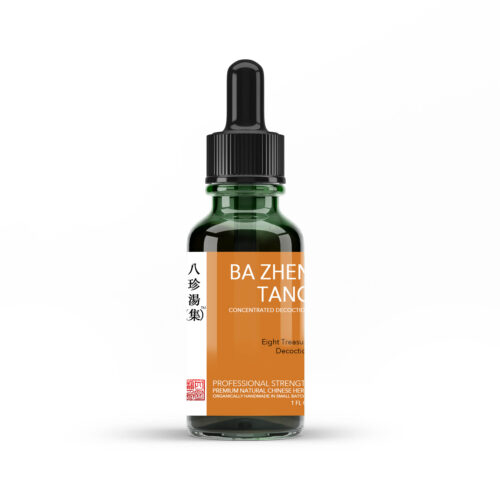
Ba Zhen Tang 八珍湯
Login to view prices -
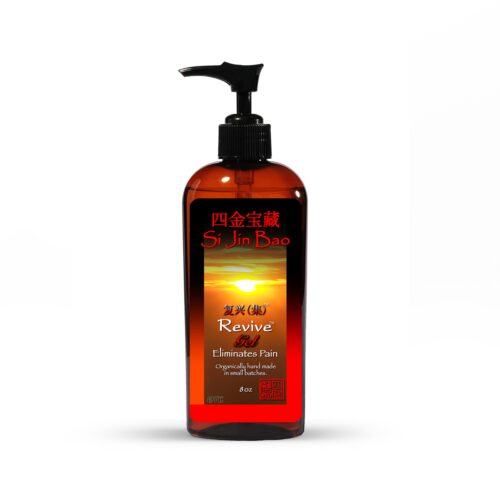
Revive™ OTC Fu Xing 复兴(集)
Login to view prices -
Ban Xia Xie Xin Tang 半夏瀉心湯
Login to view prices -
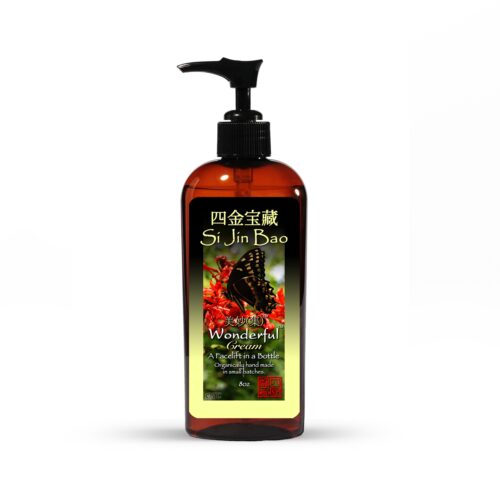
Wonderful™ OTC 美妙(集) Mei Mao
Login to view prices

Reviews
There are no reviews yet.