Enjoy Free US Domestic Shipping on Orders Over $400+

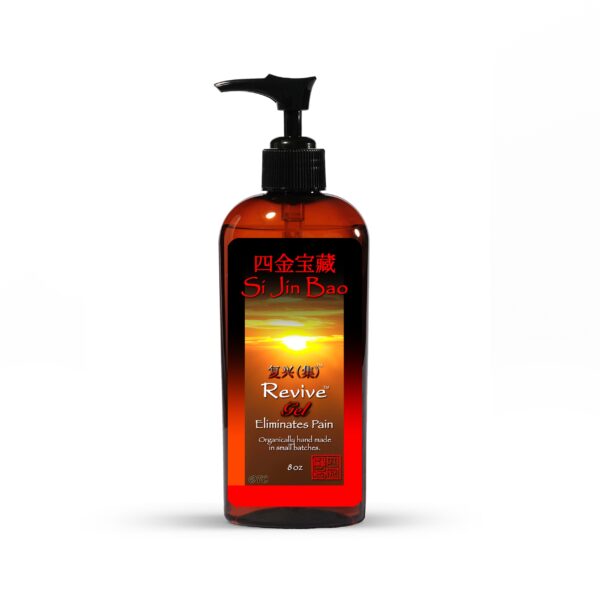
Revive™ OTC Fu Xing 复兴(集)
Login to view prices
- ACM/CCM/TCM Global Status: Safe & Effective
Eliminates Pain
When muscles ache, joints stiffen, or pain slows you down, Revive™ gets you moving again. This fast-acting herbal topical helps ease soreness, stiffness, and tension—supporting natural circulation and recovery. Handcrafted from time-honored Chinese herbs, Revive™ works in as little as a minute to restore flow, comfort, and freedom of movement.
OTC External Herbaceutical · 复兴
复兴
Fù Xīng
Eliminates Pain
27 Years in Service
Origin
Built for the Treatment Room
Revive™ was originally formulated for the kind of pain that builds up from repetitive use — the muscle soreness and joint stiffness that accumulate in massage therapists, athletes, construction workers, and anyone who spends long hours at a desk or behind a wheel. What practitioners discovered, once it was on the shelf, was that the formula moved well beyond its original use case.
Today Revive™ is reached for in a wide range of clinical settings — from chiropractic adjustments to pediatric bumps and bruises to post-workout recovery in athletic populations. Its appeal across disciplines comes from one thing: the formula works fast. Most patients feel it within a minute of application. That speed makes it equally useful for in-office treatment workflows and for the bottle the patient takes home.
The formula has been in continuous clinical use for over a quarter-century. It has not been reformulated.
What It Does
Move Circulation, Release Tension, Reduce Pain
In Traditional Chinese Medicine, the underlying pattern Revive™ addresses is called Bi Syndrome — obstruction in the channels that produces pain, stiffness, swelling, and reduced range of motion. The Western correlates are familiar: poor local circulation, soft-tissue inflammation, restricted joint mobility, and the lingering discomfort of strain or trauma.
The formula works by moving local circulation through the affected tissue, reducing inflammation at the surface and in the underlying muscle and joint, relaxing contracted muscles and tendons, and relieving pain directly. The classical TCM principle behind it is simple: where there is flow, there is no pain. Restore the flow, and the pain resolves.
Use It When
- Muscles feel tight, sore, or overworked from repetitive activity
- Joints ache after exercise, manual labor, or prolonged sitting
- Tension headaches or neck stiffness that won’t release
- Bruises, sprains, strains, or contusions that need help resolving
- Menstrual cramps with cold, fixed pain
- Post-treatment soreness following adjustment, manipulation, or bodywork
- Pre-treatment circulation priming for chiropractic, acupuncture, or manual therapy
- Practitioner self-care — tired hands, wrists, and forearms after a long day of patient care
How the Formula Works
Speed Through the Skin
Revive™ is fast because it was built to be. The menthol and plant-sourced ethanol in the formula act as penetration enhancers — carrying the herbal compounds through the skin barrier into the underlying muscle, joint, and connective tissue almost immediately. Most patients feel warmth and relief within sixty seconds. That onset is what makes the formula appropriate for in-office use, where the practitioner can apply, palpate, and begin treatment without waiting for the formula to settle.
The herbal architecture has four working components. Frankincense (Ru Xiang) and Myrrh (Mo Yao) form the trauma backbone — this classical pair, used in Chinese, Ayurvedic, and Western herbal traditions for over two thousand years, addresses pain, swelling, and blood stasis simultaneously. Modern pharmacology has documented Frankincense’s anti-inflammatory action through 5-lipoxygenase inhibition, distinct from the cyclooxygenase pathway targeted by NSAIDs.
Chuan Xiong (Ligusticum) and Red Peony Root form the circulation engine. Chuan Xiong contains tetramethylpyrazine, an alkaloid with documented vasodilator and microcirculation-enhancing activity. Red Peony cools and moves blood simultaneously, addressing the heat that develops in trauma and overuse.
Eucommia Bark (Du Zhong) and Teasel Root (Xu Duan) are the structural-repair pair, classical for ligament, tendon, and bone support. Astragalus (Huang Qi) promotes tissue regeneration. The remaining herbs — Morinda, Clematis, Schisandra, Acorus, Siler, and Raw Rehmannia — balance the formula’s warming and dispersing action with structural support, channel-opening, and Yin-nourishing components that prevent over-drying or over-stimulating the local tissue.
When to Reach for It
Recognition
Reach for Revive™ when the presenting condition involves pain, stiffness, swelling, or stagnation in muscle, joint, or soft tissue. The formula is suited to acute and chronic presentations alike, and is equally appropriate for active treatment and pre-treatment circulation priming. It works alongside chiropractic adjustment, acupuncture, manual therapy, and orthopedic care rather than replacing any of them.
Western terminology commonly associated with these TCM patterns:
- Increases Micro-Circulation
- Increases Lymphatic Circulation
- Increases Capillary Circulation
- Promotes Regeneration of the Flesh
- Anti-Inflammatory
- Analgesic
Practitioner-specific applications:
- Apply to the area to be treated before chiropractic adjustment, manual therapy, cupping, or acupuncture — primes circulation and softens tissue ahead of the work
- Use on hands, wrists, and forearms before extended bodywork — supports the practitioner’s own joints across a long shift
- Apply post-treatment to extend the duration of the in-office work into the time between visits
- Send home with patients for at-home use during recovery — safe for daily use, no scheduling complexity
复兴
Twenty-Seven Years in Practice
Revive™ was built for the treatment room and never left it. Across acupuncture clinics, chiropractic offices, pediatric practices, and athletic-training rooms, it has stayed on the shelf because it does what it claims — quickly, reliably, and without complication. The formula moves fast because the work has to keep moving. After twenty-seven years, that is still the job.
Materia Medica · 本草 · OTC
复兴
Revive™ OTC
Fù Xīng
Eliminates Pain
The fifteen herbs in Revive™ were selected for one purpose: to move what has stopped moving. What follows is a full materia medica for every ingredient, drawn from the Shen Nong Ben Cao Jing, Li Shizhen’s Ben Cao Gang Mu, and Bensky’s modern synthesis — with attention to each herb’s classical role in Bi Syndrome, trauma medicine, and pre-treatment preparation.
01
Herb 01
巴戟天
Radix Morindae Officinalis
Morinda Root
Category
Tonifying Herbs — Yang Tonics
Nature & Flavor
Acrid, sweet · Slightly warm
Channels
Kidney · Liver
Actions
Tonifies Kidney Yang and strengthens the sinews and bones. Dispels Wind-Damp from the channels, particularly the lower back, knees, and hips. Bai Ji Tian is one of the classical herbs for chronic Bi Syndrome rooted in Kidney Yang deficiency — the cold, achy stiffness that worsens with weather changes and improves with movement and warmth.
Indications
Lower back and knee pain with cold sensation, weak sinews and bones, chronic Bi Syndrome with deficiency, atrophy disorders, and any presentation where deep structural support is depleted alongside surface pain.
Classical Reference
Listed in the Shen Nong Ben Cao Jing as an upper-grade herb. Classical texts credit it with strengthening the sinews and bones while warming the lower jiao — a combination that makes it foundational for any topical that addresses chronic obstruction in weight-bearing joints.
Role in Formula
Bai Ji Tian provides Revive™ with its deep structural action. Where the blood-movers handle surface stagnation, Bai Ji Tian addresses the underlying Kidney Yang depletion that allows Bi Syndrome to take hold in the first place — particularly in chronic, recurrent presentations.
02
Herb 02
冰片
Borneolum Syntheticum
Menthol / Borneol
Category
Aromatic Herbs that Open the Orifices
Nature & Flavor
Acrid, bitter · Slightly cold
Channels
Heart · Spleen · Lung
Actions
Opens the orifices, clears Heat, and relieves pain. Topically: provides immediate cooling sensation, reduces local inflammation, and serves as a powerful penetrant — carrying other herbal compounds through the skin barrier into the underlying tissue at speed.
Indications
Acute pain, swelling, sore throat (when used in lozenges), and topically for any presentation where rapid sensory relief and deep penetration are needed simultaneously.
Classical Reference
Bing Pian appears in classical Chinese trauma and pain formulas across the Tang and Song dynasties. Li Shizhen’s Ben Cao Gang Mu describes it as “reaching every part of the body, opening what is blocked, and stopping pain on contact.” Modern pharmacology has documented its action as a transdermal penetration enhancer.
Role in Formula
Bing Pian is the reason Revive™ works in under a minute. Its penetration-enhancing action carries the entire formula’s blood-moving and pain-relieving compounds through the skin barrier almost immediately — which is why practitioners can apply, palpate, and begin treatment without delay.
03
Herb 03
石菖蒲
Rhizoma Acori Tatarinowii
Acorus Rhizome, Sweet Flag
Category
Aromatic Herbs that Open the Orifices
Nature & Flavor
Acrid, bitter · Warm
Channels
Heart · Stomach
Actions
Opens the orifices, transforms turbid Damp, and harmonizes the Stomach. Topically: opens the channels at the surface and allows the deeper-acting herbs of the formula to penetrate further. Its aromatic, warming action is particularly useful in Cold-Damp Bi presentations.
Indications
Damp obstruction in the channels, blocked sensation, numbness alongside pain, and presentations where the affected area feels “thick” or “muffled” rather than sharply painful.
Classical Reference
Recorded in the Shen Nong Ben Cao Jing as an upper-grade herb. Li Shizhen described its action as “opening what cannot be opened, awakening what cannot be awakened.” In topical preparations, this opening action operates at the level of the channels and skin.
Role in Formula
Shi Chang Pu partners with Bing Pian as the formula’s second penetration herb. While Bing Pian is cold and rapid, Shi Chang Pu is warm and persistent — together they open the channels at multiple levels and ensure the formula reaches into deeper tissue, not just the surface.
04
Herb 04
炒赤芍
Radix Paeoniae Rubra (dry-fried)
Red Peony Root
Category
Herbs that Invigorate Blood & Resolve Stasis
Nature & Flavor
Sour, bitter · Slightly cold
Channels
Liver
Actions
Cools blood and invigorates blood to resolve stasis. The dry-fried preparation (chǎo) softens the cooling action and concentrates the blood-moving function — ideal for trauma, Bi Syndrome, and any presentation where Heat from stagnation needs to be cleared without weakening yang.
Indications
Bruising, fixed pain, Heat from blood stasis, swelling with heat, traumatic injury with inflammation, joint pain with stiffness and warmth.
Classical Reference
Li Shizhen’s Ben Cao Gang Mu describes Chi Shao as “descending and dispersing, drawing Heat downward and opening stagnation.” The distinction between Chi Shao (Red Peony, blood-moving) and Bai Shao (White Peony, blood-nourishing) was formalized by the Tang dynasty.
Role in Formula
Chi Shao Yao addresses the inflammatory component of Bi Syndrome — the heat and swelling that accompany stuck blood. Its dual action of cooling and moving makes it irreplaceable in any topical for trauma, where heat and stagnation almost always coexist.
05
Herb 05
川芎
Rhizoma Chuanxiong (Ligusticum)
Sichuan Lovage Root, Ligusticum
Category
Herbs that Invigorate Blood & Resolve Stasis
Nature & Flavor
Acrid · Warm · Aromatic
Channels
Liver · Gallbladder · Pericardium
Actions
Invigorates blood, moves Qi, expels Wind, and stops pain. Chuan Xiong is one of the most reliable blood-movers in the Chinese pharmacopeia, with a particular affinity for the head, neck, and upper body. It also moves Qi, which makes it effective for any pain pattern where stagnation has both Qi and Blood components.
Indications
Headache (any TCM pattern), traumatic injury with bruising, fixed pain in the limbs, gynecological pain from blood stasis, painful obstruction syndrome with cold or wind. Considered by classical authors to be the lead herb for headache regardless of cause.
Classical Reference
Li Shizhen described Chuan Xiong as the “qi-mover within the blood-mover” — a herb that opens stagnation simultaneously at both levels. Its presence in classical pain formulas spans the entire history of Chinese herbal medicine.
Role in Formula
Chuan Xiong is the formula’s primary circulation engine. Its rapid blood-moving action, combined with its affinity for headache, neck, and limb pain, makes it the central herb for the broad range of presentations Revive™ addresses. Pair it with Mo Yao and Ru Xiang and you have the classical trauma triad.
06
Herb 06
杜仲
Cortex Eucommiae
Eucommia Bark
Category
Tonifying Herbs — Yang Tonics
Nature & Flavor
Sweet, slightly acrid · Warm
Channels
Liver · Kidney
Actions
Tonifies Kidney and Liver, strengthens the sinews and bones. Du Zhong has a specific affinity for the lower back, knees, and weight-bearing structures — areas where ligaments, tendons, and bone need ongoing support. Its action is restorative rather than dispersing.
Indications
Lower back pain, knee weakness, ligament strain, chronic joint instability, post-traumatic recovery in weight-bearing joints, and any presentation where the underlying structural integrity has been compromised.
Classical Reference
Listed in the Shen Nong Ben Cao Jing as an upper-grade herb. Classical texts credit Du Zhong with the specific ability to “strengthen the sinews and bones” — a phrase that captured what we now understand as the support of connective tissue and bone matrix.
Role in Formula
Du Zhong addresses the structural depletion that often underlies chronic Bi Syndrome — the worn-down ligaments and weakened tendons that make a joint vulnerable to repeated injury. Its inclusion is why Revive™ is appropriate for chronic conditions, not just acute strain.
07
Herb 07
防風
Radix Saposhnikoviae
Siler Root, Ledebouriella Root
Category
Warm, Acrid Herbs that Release the Exterior
Nature & Flavor
Acrid, sweet · Slightly warm
Channels
Bladder · Liver · Spleen
Actions
Releases the exterior, expels Wind, and resolves Wind-Damp. Fang Feng’s name means “guard against Wind” — it disperses external Wind from the channels and is one of the foundational herbs for Wind-Bi presentations where pain migrates from joint to joint.
Indications
Migrating pain, Wind-Bi, joint stiffness that worsens with weather changes, pain that moves location day to day, generalized aches with chills.
Classical Reference
Recorded in the Shen Nong Ben Cao Jing. Considered by classical authors to be one of the gentlest of the Wind-dispersing herbs — effective without causing the dryness that more aggressive Wind-herbs can produce. Bensky describes it as the “moistening Wind-disperser.”
Role in Formula
Fang Feng addresses the Wind component of Bi Syndrome — the migrating, weather-sensitive aspect of pain. Its gentle nature means it can be included alongside the more aggressive blood-movers without unbalancing the formula’s overall character.
08
Herb 08
黄芪
Radix Astragali
Astragalus Root
Category
Tonifying Herbs — Qi Tonics
Nature & Flavor
Sweet · Slightly warm
Channels
Lung · Spleen
Actions
Tonifies Qi, strengthens Wei Qi, and promotes tissue regeneration. Huang Qi has a documented classical action of generating flesh — supporting the regrowth of damaged tissue and the resolution of chronic wounds. Its Qi-tonifying action also supports the body’s capacity to clear pain and restore function.
Indications
Chronic wounds, slow tissue repair, post-trauma recovery, fatigue with Bi Syndrome, weak Qi presentations where the body cannot move pain on its own.
Classical Reference
Listed as an upper-grade herb in the Shen Nong Ben Cao Jing. Classical texts credit Huang Qi with the specific ability to “expel pus and generate flesh” — promoting the granulation tissue and tissue repair that follow trauma.
Role in Formula
Huang Qi supports the regenerative phase of recovery. While the blood-movers and pain-relievers handle the acute presentation, Huang Qi is what helps the tissue rebuild — particularly important in repetitive-use injuries where the body keeps re-injuring the same area.
09
Herb 09
没藥
Myrrha
Myrrh
Category
Herbs that Invigorate Blood & Resolve Stasis
Nature & Flavor
Bitter · Neutral
Channels
Heart · Liver · Spleen
Actions
Invigorates blood, reduces swelling, and stops pain. Myrrh is one of the most thoroughly documented trauma herbs in any tradition — East or West. Its action is to break up fixed blood stasis, reduce the inflammation that follows, and relieve the pain associated with both.
Indications
Traumatic injury, contusions, sprains, fixed and stabbing pain, swollen and inflamed sores, gynecological pain from blood stasis. Almost always paired with Frankincense (Ru Xiang) in classical formulas.
Classical Reference
Imported into Chinese medicine through the trade routes from Arabia and East Africa during the Tang dynasty. Li Shizhen’s Ben Cao Gang Mu describes Mo Yao paired with Ru Xiang as “the foundation of trauma medicine — one cannot exist without the other.” The pair has been used in Western herbalism, Ayurveda, and Egyptian medicine for at least three thousand years.
Role in Formula
Mo Yao and Ru Xiang together form the trauma backbone of Revive™. Their pairing addresses the three things that always co-occur in Bi Syndrome and traumatic injury: blood stasis, swelling, and pain. The formula would be far weaker without either.
10
Herb 10
乳香
Olibanum (Boswellia)
Mastic Frankincense
Category
Herbs that Invigorate Blood & Resolve Stasis
Nature & Flavor
Acrid, bitter · Warm
Channels
Heart · Liver · Spleen
Actions
Invigorates blood, moves Qi, relaxes the sinews, and stops pain. Where Mo Yao breaks up stasis, Ru Xiang moves Qi alongside it — addressing the muscular tension and tendon contraction that accompanies traumatic injury. The pair is more powerful than either alone.
Indications
Traumatic injury with muscle spasm, contracted tendons, painful obstruction with restricted movement, post-trauma recovery, abdominal pain from blood stasis.
Classical Reference
Ru Xiang has been used in Eastern, Western, and Middle Eastern medicine for thousands of years — one of the few herbs to appear in nearly every major medical tradition. Modern pharmacology has documented its anti-inflammatory action through inhibition of 5-lipoxygenase, a mechanism that translates directly to topical pain relief.
Role in Formula
Ru Xiang’s “relax the sinews” action is what makes Revive™ effective in pre-treatment workflows. By the time the practitioner begins manual work, the muscles in the area are already softer than they were a minute earlier — which makes the bodywork itself more effective.
11
Herb 11
生地黄
Radix Rehmanniae
Raw Rehmannia Root
Category
Herbs that Clear Heat & Cool the Blood
Nature & Flavor
Sweet, bitter · Cold
Channels
Heart · Liver · Kidney
Actions
Clears Heat, cools blood, and nourishes Yin. The raw (unprocessed) form of Rehmannia is more cooling than the prepared form (Shu Di Huang) and has greater blood-cooling activity. In a topical context, it balances the warming herbs of the formula and addresses the Heat that accumulates in chronic Bi Syndrome.
Indications
Heat from blood stasis, dryness alongside pain, Yin-deficient Bi presentations, inflammation in chronic injury.
Classical Reference
Recorded in the Shen Nong Ben Cao Jing as an upper-grade herb. The distinction between Sheng Di Huang (raw, blood-cooling) and Shu Di Huang (prepared, Yin-nourishing) was formalized by the Han dynasty and remains foundational to clinical decision-making today.
Role in Formula
Sheng Di Huang is the formula’s cooling and moistening counterweight. Without it, the warming and dispersing action of Bai Ji Tian, Du Zhong, and the menthol-acorus pair would risk drying or overheating the local tissue — especially in chronic, depleted presentations.
12
Herb 12
威灵仙
Radix Clematidis
Clematis Root
Category
Herbs that Dispel Wind-Damp
Nature & Flavor
Acrid, salty · Warm
Channels
Bladder
Actions
Dispels Wind-Damp, opens the channels and collaterals, and stops pain. Wei Ling Xian is one of the most aggressive Wind-Damp dispersing herbs in the materia medica — particularly effective when stagnation is fixed in the joints and conventional gentler approaches have failed.
Indications
Painful obstruction syndrome with restricted movement, joint stiffness with limited range of motion, fixed Wind-Damp Bi, painful tendinous contractions.
Classical Reference
Wei Ling Xian’s name means “powerful spirit immortal” — a reflection of its forceful action on stuck channels. Classical sources describe it as “unbinding the fixed and freeing the bound.”
Role in Formula
Wei Ling Xian is what makes Revive™ effective for stiffness and restricted joint movement — not just pain. Its channel-opening action complements the blood-movers by clearing the structural obstruction that keeps blood from flowing in the first place.
13
Herb 13
五味子
Fructus Schisandrae
Schisandra Fruit, Five-Flavor Fruit
Category
Herbs that Stabilize and Bind
Nature & Flavor
Sour, sweet · Warm
Channels
Lung · Heart · Kidney
Actions
Astringes, contains, and stabilizes. Schisandra’s distinctive feature is its containment of all five flavors — sour, sweet, bitter, acrid, and salty — which classical texts read as a marker of its ability to act on all five organ systems simultaneously. In topical formulas, it helps anchor the dispersing action and keeps the formula’s effect localized.
Indications
Containment for formulas that might otherwise scatter, support for Yin and Qi during recovery, stabilization of nervous-system response to pain.
Classical Reference
Recorded in the Shen Nong Ben Cao Jing as an upper-grade herb. Its name Wu Wei Zi — “five-flavor fruit” — reflects the simultaneous presence of all five tastes in a single berry, which classical authors interpreted as a sign of its harmonizing capacity.
Role in Formula
Wu Wei Zi keeps Revive™ from over-dispersing. With so many strong blood-movers and channel-openers in the formula, the astringent action of Schisandra ensures the effect is concentrated where the formula is applied rather than dissipating outward.
14
Herb 14
續斷
Radix Dipsaci
Teasel Root (Marsh Plant)
Category
Tonifying Herbs — Yang Tonics
Nature & Flavor
Bitter, acrid, sweet · Slightly warm
Channels
Liver · Kidney
Actions
Tonifies Liver and Kidney, strengthens the sinews and bones, mends fractures, and stops bleeding. Xu Duan’s name means “continuation of the broken” — a literal translation of its classical use for fractures, ligament tears, and any structural damage that needs reconnection at the tissue level.
Indications
Fractures during recovery, ligament tears and sprains, weakness in the lower back and knees, threatened miscarriage from Kidney deficiency, post-traumatic structural repair.
Classical Reference
Recorded in the Shen Nong Ben Cao Jing as an upper-grade herb. The classical phrase Xu Jin Jie Gu — “reconnect the sinews, mend the bones” — captures the herb’s primary action and is the basis of its name.
Role in Formula
Xu Duan partners with Du Zhong to provide the formula’s structural-repair foundation. Where Du Zhong strengthens existing sinews and bones, Xu Duan specifically addresses the reconnection of damaged tissue — making the formula effective not just for managing symptoms but for supporting actual structural recovery.
P1
Preparation Ingredient
蔬菜甘油
Glycerinum Vegetabile
Vegetable Glycerin
Purpose
Humectant & Carrier
Source
Plant-derived, food-grade
Properties
Sweet · Neutral · Moisturizing
Function in Preparation
Carrier & Humectant
Vegetable glycerin draws moisture into the skin and serves as a stable, non-irritating carrier for water-soluble herbal extracts. It also extends the formula’s window of activity at the skin surface, complementing the rapid penetration of the menthol-ethanol pair.
P2
Preparation Ingredient
酒精
Ethanolum
Plant-Sourced Ethanol
Purpose
Penetrant, Solvent & Carrier
Source
Plant-derived, pharmaceutical-grade
Properties
Acrid · Warm · Disperses
Function in Preparation
Penetration Enhancer
Ethanol carries the herbal compounds through the skin barrier rapidly, partnering with menthol to give Revive™ its characteristic sub-minute onset. Without it, the formula would settle into the skin too slowly to function as a pre-treatment circulation primer.
Classical Use of Wine in TCM Trauma Medicine
Alcohol-based extractions for trauma and Bi Syndrome have been part of Chinese medicine since the Han dynasty — classical medicinal wines were specifically formulated to invigorate blood and warm the channels. Revive™ carries that tradition forward in a modern topical preparation.
P3
Preparation Ingredient
蒸馏水
Aqua Destillata
Distilled Water
Purpose
Extraction & Formulation Medium
Source
Purified, pharmaceutical-grade
Properties
Neutral · Free of contaminants
Function in Preparation
Extraction Medium
Distilled water serves as the extraction medium for the water-soluble active compounds in the fifteen herbs, complementing the alcohol extraction of resinous and volatile compounds. The clean, contaminant-free base ensures the formula’s therapeutic action comes from the herbs alone.
Cream Formulation Only
Three Additional Ingredients
Revive™ is available in both Cream and Gel formulations. The Gel contains the fifteen herbs and three preparation ingredients above. The Cream adds three further ingredients that give it its richer, more emollient texture — useful for longer manual therapy sessions, drier skin, and any application where sustained surface contact is preferred.
C1
Cream Ingredient · Carrier Oil
杏子油
Prunus armeniaca oleum
Apricot Kernel Oil
Function
Emollient & Carrier Oil
Source
Cold-pressed from apricot kernels
Properties
Sweet · Warm · Rich in Vitamins A & E
Function in the Cream
Emollient Action & Glide
Apricot kernel oil is a light, easily-absorbed carrier oil that gives the Cream its characteristic glide — useful in manual therapy contexts where the practitioner needs the formula to remain on the skin long enough for sustained bodywork. It supports the lipid barrier without leaving a heavy film.
C2
Cream Ingredient · Carrier Oil
甘杏仁油
Prunus amygdalus dulcis oleum
Sweet Almond Oil
Function
Emollient & Nutritive Oil
Source
Cold-pressed from sweet almonds
Properties
Sweet · Neutral to warm
Function in the Cream
Sustained Skin Conditioning
Sweet almond oil pairs with apricot kernel oil to extend the time the Cream remains active at the skin surface. The combination is particularly suited to manual therapy applications and longer treatment sessions where the formula needs to keep working under the practitioner’s hands.
C3
Cream Ingredient · Natural Emulsifier
蜂蠟
Cera Flava
Beeswax
Function
Emulsifier, Thickener & Barrier
Source
Natural, ethically sourced
Properties
Sweet · Neutral · Forms breathable barrier
Classical & Modern Use
Beeswax has been used in medicinal ointments for thousands of years across Eastern and Western traditions. Li Shizhen’s Ben Cao Gang Mu lists it as a binding agent for topical preparations — particularly trauma plasters and pain ointments where the formula needed to stay in contact with the affected area for extended periods.
Function in the Cream
Structural Role
Beeswax binds the oils, glycerin, ethanol, and water-based herbal extracts into a stable, evenly-dispersed emulsion. Without it, the Cream would separate. It also forms a breathable barrier that holds the herbal action against the skin without occluding it.
复兴
Fifteen Herbs to Move What Has Stopped
Each herb in Revive™ addresses one component of the Bi Syndrome equation: blood that has stopped moving, channels that have closed, sinews and bones that have weakened, and pain that has settled in. Together, they restore motion. The Gel carries them in a fast-acting base. The Cream carries them in a sustained-contact base. The herbs are the same either way.
Revive™ OTC · Topical Application · 外用
Course of Treatment
Revive™ is designed for topical application directly to the affected area. The formula works through the skin into the underlying muscle, joint, or soft tissue — with onset typically within one minute.
Suggested Treatment Protocol
7.5–12 cc
Directly on or near the affected area
Frequency
Three times daily
Course
90 days
Continue regular use for 90 days to support lasting benefits.
Practitioner Use
Pre-Treatment Application
Revive™ can be applied to the area to be worked before chiropractic adjustment, Tui-na, cupping, acupuncture, or any manual therapy. Onset is typically within one minute.
Apply, palpate the tissue, and begin treatment without waiting for the formula to settle. Many practitioners also apply Revive™ to their own hands and forearms before extended bodywork sessions.
Absorption Time
Cream vs. Gel
Absorption time is the period Revive™ takes to settle into the skin after application.
Cream
5–20
min
Sustained-contact base
Gel
1–2
min
Fast-absorbing
Revive OTC Product Sheet by SJB Team
Research · 研究 · OTC
复兴
Revive™ OTC
Fù Xīng · Peer-Reviewed Evidence
Six Studies on the Herbs in Revive™
What follows is peer-reviewed research on the individual herbs that make up Revive™ — with focus on the trauma-medicine pair (Frankincense and Myrrh) and the formula’s central blood-mover (Chuan Xiong / Ligusticum). These studies are provided for practitioner reference.
01
Study 01 · Randomized Controlled Trial
BMC Research Notes · 2023
Herb focus: Ru Xiang (Boswellia serrata, Frankincense)
Design
Randomized, double-blind, placebo-controlled clinical trial
Participants
70 patients with knee osteoarthritis
Relevance
First clinical trial demonstrating topical Boswellia efficacy in knee OA — the prototypical Bi Syndrome presentation
Background
Boswellic acids in frankincense (Boswellia serrata) have well-documented anti-inflammatory and antioxidant effects, but their oral bioavailability is poor. Topical application bypasses first-pass metabolism and delivers the active compounds directly to inflamed joint tissue. This was the first clinical trial designed to evaluate topical frankincense in knee osteoarthritis — the most common form of joint-level Bi Syndrome in Western practice.
Methods
Seventy patients with knee OA were randomized into two groups. The treatment group (n=33) applied an oily solution of frankincense extract to the affected knee three times daily for four weeks; the control group (n=37) applied placebo on the same schedule. Outcomes were measured using the WOMAC index, VAS for pain severity, and the Patient Global Assessment score — all standard validated instruments for OA evaluation.
Findings
Both groups showed significant improvement from baseline (P < 0.001 for all measures), but the frankincense group showed significantly greater improvement than placebo across every endpoint (P < 0.001). The authors concluded that topical frankincense represents an effective adjunct in the management of knee OA, particularly given the systemic side effects of conventional OA pharmacotherapy.
Relevance to Revive™
This is direct human clinical evidence that the Frankincense (Ru Xiang) component of Revive™ produces measurable pain reduction and functional improvement in joint-level Bi Syndrome — applied at the same frequency (three times daily) the formula recommends.
Citation
Karimifar M et al. BMC Research Notes, 2023. “Evaluation of the effectiveness of topical oily solution containing frankincense extract in the treatment of knee osteoarthritis: a randomized, double-blind, placebo-controlled clinical trial.” DOI: 10.1186/s13104-023-06291-5
02
Study 02 · Pharmacological Review
Phytomedicine · 2014
Herb focus: Ru Xiang (Boswellia serrata)
Design
Mechanistic review & collagen-induced arthritis model
Scope
Anti-inflammatory pathway and oxidative stress reduction
Relevance
Explains how Boswellia reduces joint inflammation at the molecular level
Background
The biological effects of Boswellia are largely mediated by its boswellic acids — particularly acetyl-11-keto-β-boswellic acid (AKBA), the most potent of the family. Unlike NSAIDs, which inhibit cyclooxygenase, boswellic acids selectively and non-competitively inhibit 5-lipoxygenase, the enzyme responsible for producing leukotrienes that drive joint inflammation, swelling, and pain in arthritis and Bi Syndrome.
Key Findings
Boswellia extract was shown to attenuate inflammatory mediators and reduce oxidative stress in a collagen-induced arthritis model. The mechanism operates through 5-lipoxygenase inhibition combined with suppression of matrix metalloproteinases 3, 10, and 12 in capillary endothelial cells — mechanisms directly relevant to the cartilage protection and connective tissue preservation needed in chronic joint pathology.
Mechanistic Detail
By blocking the 5-LOX pathway, boswellic acids prevent the formation of pro-inflammatory leukotrienes without disrupting cyclooxygenase or affecting platelet function — which explains why topical Boswellia produces analgesic and anti-inflammatory effects without the gastrointestinal or cardiovascular risks associated with NSAIDs.
Relevance to Revive™
This study provides the molecular explanation for what classical Chinese medicine recognized empirically: Ru Xiang relieves the pain and swelling of trauma and Bi Syndrome through a mechanism distinct from conventional anti-inflammatory drugs. Its inclusion in Revive™ brings that 5-LOX-pathway anti-inflammation directly to the affected tissue.
Citation
Umar S et al. Phytomedicine, 2014. “Boswellia serrata extract attenuates inflammatory mediators and oxidative stress in collagen induced arthritis.” DOI: 10.1016/j.phymed.2014
03
Study 03 · Pharmacological Review
Frontiers in Pharmacology · 2025
Herb focus: Chuan Xiong (Ligusticum chuanxiong)
Design
Comprehensive systematic review of chemistry, pharmacology, and clinical use
Scope
Over 100 isolated metabolites; full mechanism mapping
Relevance
Documents Chuan Xiong’s circulation-enhancing and analgesic mechanisms
Background
Chuan Xiong has been used in Chinese medicine for over two thousand years, primarily as a blood-mover for cardiovascular and cerebrovascular conditions, headache, and traumatic injury. Modern phytochemical analysis has identified over 100 metabolites in the rhizome, including the principal active compounds tetramethylpyrazine (TMP), ligustilide, senkyunolide A, and ferulic acid.
Key Findings
The review identified Chuan Xiong’s pharmacological mechanisms as antiplatelet activity, endothelial cell protection, anti-inflammatory action, antioxidant effects, anti-apoptotic protection, vasodilation, angiogenesis regulation, and analgesia. The herb operates effectively both as a single-herb preparation and in combination with other Chinese herbs — consistent with its classical use as a foundational ingredient in pain and trauma formulas.
Mechanistic Detail
Tetramethylpyrazine (TMP), the most-studied alkaloid in Chuan Xiong, has documented vasodilator activity, microcirculation enhancement, and inhibition of inflammatory cytokine production. In topical contexts, these mechanisms support the rapid local circulation enhancement that classical authors described as “moving the blood and freeing what is stuck.”
Relevance to Revive™
Chuan Xiong is the central blood-mover in Revive™. The review documents that its action operates through multiple complementary mechanisms — vasodilation, microcirculation enhancement, anti-inflammation, and analgesia — all of which translate directly to the formula’s effect on Bi Syndrome and traumatic pain.
Citation
Wang Y et al. Frontiers in Pharmacology, 2025. “Ligusticum chuanxiong: a chemical, pharmacological and clinical review.” DOI: 10.3389/fphar.2025.1523176
04
Study 04 · In Vitro & In Vivo Study
Oxidative Medicine and Cellular Longevity · 2022
Herb focus: Chuan Xiong — tetramethylpyrazine (TMP)
Design
Cell culture (HUVECs) + zebrafish model
Comparison
TMP vs. control on endothelial injury & thrombosis
Relevance
Documents the cellular mechanism of microcirculation improvement
Background
Tetramethylpyrazine has documented anti-inflammatory, antioxidant, anti-platelet, anti-apoptotic, and microcirculation-improving activities. This study was designed to investigate the specific mechanism by which TMP protects endothelial cells from oxidative injury — a key process underlying impaired circulation, blood stasis, and the cellular damage that accompanies trauma and chronic Bi Syndrome.
Methods
Researchers used human umbilical vein endothelial cells (HUVECs) exposed to hydrogen peroxide to model oxidative injury, alongside a zebrafish model of arachidonic acid-induced thrombosis. TMP was tested at multiple concentrations against control conditions, with cellular and molecular outcomes measured across the MAPK and apoptosis-regulation pathways.
Findings
TMP significantly protected HUVECs from H₂O₂-induced injury and reduced thrombosis in the zebrafish model. The mechanism involved regulation of the MAPK pathway, reduction of cellular apoptosis, and direct antioxidant activity at the cellular level. The authors concluded that TMP exerts its antithrombotic effect through endothelial protection — a mechanism directly relevant to the local microcirculation enhancement Chuan Xiong is classically credited with.
Relevance to Revive™
This study documents the cellular-level explanation for what practitioners observe within minutes of applying Revive™: enhanced local circulation, reduced fluid retention, and the restoration of normal capillary function. The mechanism is preserved in topical application because the formula’s penetrants (Bing Pian and ethanol) carry TMP and related compounds directly to the affected tissue.
Citation
Oxidative Medicine and Cellular Longevity, 2022. “Tetramethylpyrazine Protects Endothelial Injury and Antithrombosis via Antioxidant and Antiapoptosis in HUVECs and Zebrafish.” PMCID: PMC9313999
05
Study 05 · Pharmacological Update
Naunyn-Schmiedeberg’s Archives of Pharmacology · 2022
Herb focus: Mo Yao (Commiphora myrrha)
Design
Comprehensive pharmacological review
Scope
Anti-inflammatory, analgesic, antimicrobial, and synergy with frankincense
Relevance
Documents the modern evidence base for the classical Myrrh-Frankincense pair
Background
Commiphora myrrha has been used in Chinese, Ayurvedic, and Western herbal traditions for over two thousand years for trauma, arthritis, fractures, and “diseases caused by blood stagnation” — a literal description of Bi Syndrome. The review synthesizes contemporary research on the resin’s biological activities and validates the classical pairing with Frankincense.
Key Findings
Myrrh demonstrates documented anti-inflammatory, antioxidant, analgesic, antimicrobial, and neuroprotective activities. Notably, the review confirms that “Chinese medicine suggests that myrrh has potent synergistic therapeutic activities like analgesic, anti-inflammatory, blood activation, and antibacterial effects upon use with frankincense” — the classical Mo Yao + Ru Xiang pairing now confirmed in modern pharmacology.
Mechanistic Detail
The active sesquiterpenoids in myrrh inhibit LPS-induced NO production in macrophages, reduce inflammatory cytokine expression, and modulate the TRPV1 pathway involved in pain signaling. The combination of these mechanisms accounts for the herb’s effectiveness in trauma and chronic pain — classical indications validated by contemporary pharmacology.
Relevance to Revive™
The Mo Yao + Ru Xiang pairing in Revive™ is one of the most thoroughly documented combinations in trauma medicine across any tradition. This review confirms what classical authors observed: the two herbs together are more potent than either alone, particularly for the combination of pain, swelling, and blood stasis that characterizes Bi Syndrome.
Citation
Naunyn-Schmiedeberg’s Archives of Pharmacology, 2022. “Commiphora myrrh: a phytochemical and pharmacological update.” DOI: 10.1007/s00210-022-02325-0
06
Study 06 · In Vivo Experimental Study
Frontiers in Pharmacology · 2023
Herb focus: Mo Yao — antinociceptive mechanism
Design
Mouse model of paclitaxel-induced neuropathic pain
Sample
BALB/c mice; multiple endpoints over 14-day protocol
Relevance
Documents Myrrh’s effect on chronic pain through TRPV1 modulation
Background
Chronic and neuropathic pain represent some of the most challenging presentations in clinical practice, often resistant to conventional analgesics. Plant-derived alternatives with documented antinociceptive activity offer potential therapeutic value. Commiphora myrrha has documented anti-inflammatory and analgesic activities, but the effect on chronic neuropathic pain had not been systematically characterized.
Methods
Female BALB/c mice with paclitaxel-induced peripheral neuropathic pain were treated with aqueous Commiphora myrrha extract. Outcomes measured included thermal hyperalgesia (hot plate), mechanical allodynia (plantar aesthesiometer), and motor coordination (rotarod). The TRPV1 pathway involvement was investigated using a capsaicin-induced nociception test, with gene and protein expression of TRPV1 and inflammatory markers analyzed.
Findings
Myrrh extract significantly reduced both thermal hyperalgesia and mechanical allodynia in the neuropathic pain model. The mechanism involved central modulation of TRPV1 expression alongside upregulation of antioxidant pathways (Nrf2, SOD2, HMOX1). The combination of antinociceptive and antioxidant effects supports myrrh’s classical use for persistent, deep-seated pain that has not resolved with standard treatment.
Relevance to Revive™
This study extends the evidence base for myrrh from acute trauma into chronic and neuropathic presentations — precisely the long-standing pain patterns that practitioners often encounter in patients with repetitive-strain Bi Syndrome. Mo Yao’s inclusion in Revive™ is what makes the formula appropriate for both acute injury and chronic pain that has settled into the channels.
Citation
Frontiers in Pharmacology, 2023. “An aqueous Commiphora myrrha extract ameliorates paclitaxel-induced peripheral neuropathic pain in mice.” PMCID: PMC10768035
复兴
Tradition Meets Mechanism
The research supports what the clinic has been observing for twenty-seven years. Frankincense reduces joint inflammation. Myrrh quiets pain signaling. Chuan Xiong moves blood through the smallest vessels. The classical Mo Yao + Ru Xiang pair is more powerful than either alone. The formula is doing exactly what each herb, individually and in combination, has been documented to do — and the practitioner can put it on the area, palpate, and begin work in under a minute.
Related products
-

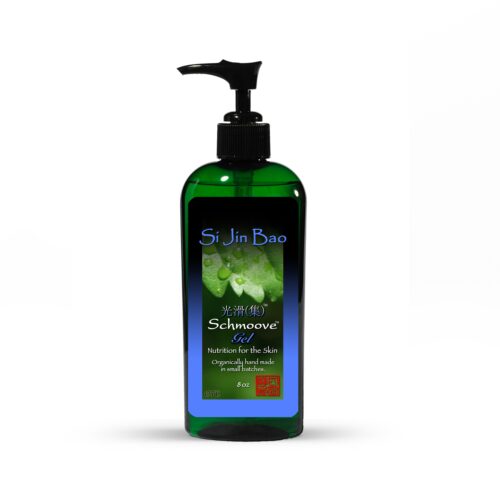
Schmoove™ OTC Guang Hua 光滑(集)
Login to view prices -

Trauma Paste 精神创伤浆糊
Login to view prices -
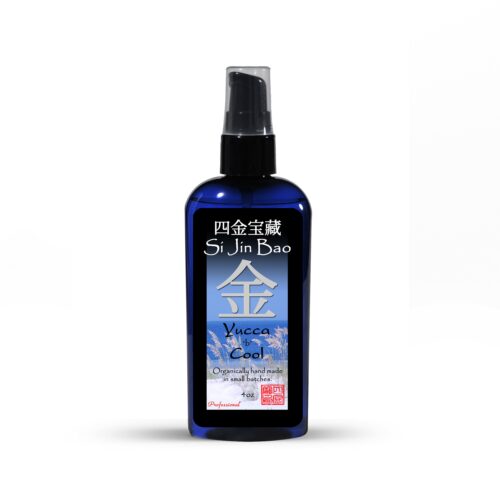
Yucca’b’Cool™ 丝兰
Login to view prices -
Wonderful™ PRO Mei Mao 美妙(集)
Login to view prices

Reviews
There are no reviews yet.