Enjoy Free US Domestic Shipping on Orders Over $400+

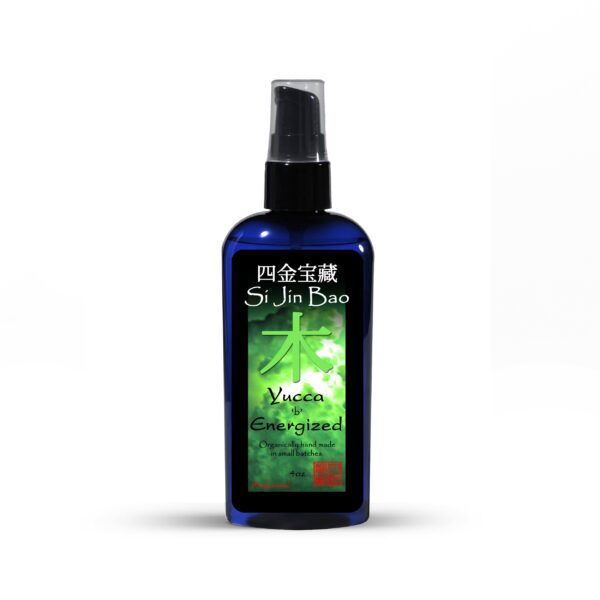
Yucca’b’Energized™ 丝兰
Login to view prices
- ACM/CCM/TCM Global Status: Safe & Effective
All Natural Face Cleanser – Eliminates Impurities, Whiteheads & Excess Oil
Skin: Pale, Sallow, Dull
Awaken dull, tired skin with Yucca’B’Energized™—a natural face cleanser that invigorates, detoxifies, and restores healthy balance. Infused with Yucca and ancient Chinese herbs, it deeply cleanses pores, clears whiteheads, and helps your skin glow with fresh, natural energy.
Topical Herbaceutical · 丝兰加强
丝兰加强
Yucca’b’Energized™
Skin: Pale, Sallow, Dull
23 Years in Service
Origin
Yucca Meets the Chinese Warming Tradition
Yucca’b’Energized™ is a daily face cleanser built for skin that runs cool, pale, sallow, or dull — whether that’s a constitutional skin type or an active presentation of stagnant Qi and Blood at the surface. The formula combines fresh Yucca root with Chinese medicinal herbs that warm, invigorate, and move circulation, weaving together two herbal traditions in a single clinical product.
Yucca root has been used by Indigenous peoples of the Americas for centuries — as soap, shampoo, hair tonic, and a topical and internal cleanser carried by Indigenous warriors of the Southwest on long journeys. The root’s high natural saponin content produces a gentle, luxurious lather without harsh detergents, and its phytosterol content nourishes the skin barrier rather than stripping it. In Chinese, Yucca’s name — Sī Lán, “silk orchid” — reflects the fibrous, structured character of the leaves. The formula’s full name, Sī Lán Jiā Qiáng, translates to “Yucca strengthened” — a direct reference to the formula’s purpose: cleansing the skin while reinforcing the underlying circulation that gives the complexion its color and life.
Around that Yucca foundation, the formula adds Chinese herbs traditionally used to invigorate Qi (Huang Qi), tonify Yang and warm the channels (Ba Ji Tian, Du Zhong), move blood (Chuan Xiong, Mo Yao, Ru Xiang, Chi Shao), open channels and dispel Wind-Damp (Wei Ling Xian, Fang Feng, Shi Chang Pu), and refresh the surface (Bing Pian, Xu Duan). The result is a daily cleanser that suits cool-running skin in its natural state, and that has the herbal substance to address active patterns of Qi and Blood stagnation when they arise.
The formula has been in continuous clinical use for over two decades. It is made with fresh Yucca root and contains plant-sourced ethanol as part of its preparation.
Who It Is For
For Skin That Runs Cool
Yucca’b’Energized™ is built for skin that runs cool, pale, sallow, or dull. That includes the patient with a constitutional cool-running skin type — the one whose complexion is naturally paler, lacks the rosy color of warm-running skin, and shows sluggish circulation at the surface — as much as it includes the patient with active Qi or Blood stagnation manifesting as dull, sallow, lifeless skin. Both groups benefit from the same daily cleanse: a saponin-based wash that lifts impurities without stripping, paired with herbs that warm and circulate rather than cool further.
For the constitutional cool-leaning patient, this is simply their daily cleanser — one that suits their skin type rather than fighting it. For the patient with active stagnation — whitehead-type eruptions, excess oil with dull undertone, lifeless complexion, sluggish post-procedure recovery — the same formula brings warming, circulation-moving action to the surface alongside the cleanse.
The formula cleanses the skin and lifts impurities through Yucca’s saponin action and the saponified carrier oils; invigorates Qi and warms the channels with Huang Qi, Ba Ji Tian, and Du Zhong; moves blood and opens stagnation with Chuan Xiong, Chi Shao, Mo Yao, and Ru Xiang; dispels Wind-Damp and relaxes the sinews with Wei Ling Xian and Fang Feng; and refreshes the surface with Bing Pian and Shi Chang Pu. With consistent use, color returns, surface texture refines, and the skin’s natural energy comes back to the surface.
Who It’s For
- The patient with naturally cool-running, pale, or sallow-leaning skin — their daily cleanser
- Patients whose complexion lacks natural color or shows dull, lifeless undertone
- Whitehead-type eruptions and excess oil with cool, sluggish surface presentation
- Skin that feels lifeless, fatigued, or congested without showing the redness of Damp-Heat
- Slow-recovery skin after illness, fatigue, or seasonal change
- Stagnation patterns at the surface (presents as dull oiliness, not flushed redness)
- Cold-pattern skin presentations that have not responded to cooling cleansers
- Post-procedure skin where slow circulation is delaying recovery
How the Formula Works
Cleanse, Warm, Circulate
Yucca’b’Energized™ works in three simultaneous stages during each use — cleansing the surface, warming the underlying tissue, and moving the circulation that brings color and life to the skin.
The cleansing engine — fresh Yucca root, saponified Apricot Kernel Oil, and saponified Sweet Almond Oil — produces a gentle, naturally lathering wash that lifts surface impurities, whiteheads, and excess sebum from the pores. The saponins in Yucca and the saponified plant oils strengthen the lipid barrier rather than stripping it, leaving the skin clean without depleting its natural protective layer.
The warming and Qi-tonifying core — Huang Qi (Astragalus), Ba Ji Tian (Morinda), Du Zhong (Eucommia), and Xu Duan (Teasel Root) — brings the formula’s distinctive yang-tonifying action. Huang Qi is one of the most foundational Qi tonics in the materia medica and is specifically classical for raising and lifting Qi to the surface. Ba Ji Tian and Du Zhong are warming Yang tonics that support the underlying constitutional warmth that the cool-running skin lacks. Xu Duan strengthens the connective tissue and supports tissue renewal.
The blood-moving and circulation layer — Chuan Xiong (Ligusticum), Chi Shao (Red Peony), Mo Yao (Myrrh), Ru Xiang (Frankincense), and Wei Ling Xian (Clematis) — addresses stagnation. Chuan Xiong is the most documented blood-and-Qi mover in the materia medica, with well-established effects on microcirculation. Chi Shao cools while moving blood. Mo Yao and Ru Xiang are the classical pair for moving stuck blood and resolving swelling at the surface. Wei Ling Xian opens the channels and disperses Wind-Damp obstruction.
The remaining herbs — Bing Pian (Borneol crystals) provides surface-cooling refreshment that pairs counterintuitively with warming herbs to wake the skin awake; Shi Chang Pu opens the surface channels so the deeper-acting herbs can penetrate; Fang Feng dispels Wind from the exterior; Sheng Di nourishes Yin to prevent the warming herbs from over-drying; and Wu Wei Zi astringes and stabilizes, anchoring the formula’s action in the area of application.
When to Reach for It
Recognition
Reach for Yucca’b’Energized™ for any patient whose skin runs cool, pale, sallow, or dull — whether that is the patient’s natural constitutional skin type or an active stagnation presentation. Some skin runs cool by nature; some has accumulated Qi or Blood stagnation that needs warming and moving. Both benefit from the same daily cleanse. The formula is suited to ongoing daily use and is appropriate alongside acupuncture, internal herbal formulas, and dermatological care — not as a replacement for any of them.
Western terminology commonly associated with these TCM patterns:
- Improves Microcirculation
- Cleanses Skin · Releases Whiteheads
- Regulates Oil Distribution
- Balances Pale, Sallow, Dull Skin
- Sluggish-circulation skin presentations
- Detoxifying · Anti-Inflammatory · Anti-Rheumatic
Practitioner-specific applications:
- Recommend as the daily cleanser for any patient whose skin runs cool or appears dull/sallow
- Use within an integrative skin treatment series for active Qi and Blood stagnation presentations
- Pair with internal Qi-tonifying or blood-moving formulas for systemic stagnation patterns
- Use as the cleansing step before topical formulas like Wonderful™ or Schmoove™
- Send home with patients who need a warming, circulation-supporting daily cleanser
- Suitable for skin that runs cool, pale, or dull — the warm-leaning counterpart to Yucca’b’Cool™
丝兰加强
Twenty-Three Years on the Shelf
Yucca’b’Energized™ was built on a recognition that some skin simply runs cool — and that whether the patient’s pale, sallow complexion is constitutional or driven by active Qi and Blood stagnation, the same daily cleanser can serve both. Twenty-three years on, that recognition is still what makes the formula work.
Materia Medica · 本草
丝兰加强
Sī Lán Jiā Qiáng
Yucca’b’Energized™
Skin: Pale, Sallow, Dull
Yucca’b’Energized™ brings together fresh Yucca root with sixteen Chinese medicinal herbs in a saponin-based cleansing matrix. What follows is a full materia medica drawn from Indigenous American herbal tradition, the Shen Nong Ben Cao Jing, Li Shizhen’s Ben Cao Gang Mu, and Bensky’s modern synthesis — with attention to each ingredient’s role in cleansing, warming, invigorating Qi, moving Blood, and bringing color and circulation to skin that runs cool.
01
Herb 01 · Foundational Ingredient
丝兰
Yucca schidigera (fresh root)
Yucca, Mojave Yucca, Silk Orchid
Action
Saponin Cleanser, Detoxifier & Anti-Inflammatory
Tradition
Indigenous American · Integrated into Chinese-style topical practice
Properties
Bitter, slightly sweet · Cool · Cleansing
Actions
Cleanses, detoxifies, and reduces inflammation. The Yucca root contains a high concentration of natural saponins, which produce a gentle lather that lifts impurities, whiteheads, excess oil, and surface debris without the harsh detergent action of synthetic surfactants. Yucca is also a documented anti-inflammatory and a source of phytosterols — plant compounds with hormone-like activity that support the integrity of the skin barrier.
Indications
Skin congestion, whiteheads, excess oil with cool undertone, surface impurity buildup, sensitive skin requiring a gentle non-stripping cleanser. Internally (in tradition outside this formula), Yucca has been used as a blood-cleansing tonic and as support for digestive and inflammatory conditions.
Cross-Tradition Reference
Yucca has been used by Indigenous peoples of the Americas for centuries — as soap, shampoo, and hair tonic, and as a topical and internal cleanser carried by Indigenous warriors of the Southwest on long journeys for both nutrition and personal care. Its integration into Chinese-style topical formulas reflects the broader principle of using what works — an approach that has been part of Chinese medicine since the Silk Road era, when herbs from across Eurasia and the Americas were incorporated into the evolving pharmacopeia.
Role in Formula
Yucca is the foundation of Yucca’b’Energized™. Its saponin content provides the formula’s gentle, natural lathering action, replacing the synthetic surfactants that dominate conventional facial cleansers. Where its sister formula Yucca’b’Cool™ pairs Yucca with cooling herbs for warm-running skin, this formula pairs Yucca with warming and circulation-moving herbs for skin that runs cool.
02
Herb 02
黄芪
Radix Astragali
Astragalus Root
Category
Tonifying Herbs — Qi Tonics
Nature & Flavor
Sweet · Slightly warm
Channels
Lung · Spleen
Actions
Tonifies Qi, raises Yang, strengthens Wei Qi, and promotes tissue regeneration. Huang Qi is one of the most foundational Qi tonics in the materia medica, with a documented classical action of raising and lifting Qi to the surface — bringing color, vitality, and protective Qi to skin that has lost them. It also has the classical action of generating flesh, supporting tissue regeneration in compromised skin.
Indications
Pale, sallow complexion from depleted Qi, slow tissue repair, weak surface defenses, skin that lacks color or natural energy.
Classical Reference
Listed as an upper-grade herb in the Shen Nong Ben Cao Jing. Classical texts credit Huang Qi with the ability to “expel pus, generate flesh, and lift the Qi that has sunk.” Its action of bringing Qi to the surface makes it foundational for any topical addressing dull, depleted, or pale-leaning skin.
Role in Formula
Huang Qi is the foundational Qi-tonifying anchor of Yucca’b’Energized™. Its action of raising Qi to the surface is what brings color and vitality back to skin that runs pale or sallow — addressing the underlying depletion rather than masking the surface presentation.
03
Herb 03
巴戟天
Radix Morindae Officinalis
Morinda Root
Category
Tonifying Herbs — Yang Tonics
Nature & Flavor
Acrid, sweet · Slightly warm
Channels
Kidney · Liver
Actions
Tonifies Kidney Yang, strengthens the sinews and bones, dispels Wind-Damp. Ba Ji Tian is a warm Yang tonic with a particular ability to support the Kidney warmth that underlies surface circulation. In a topical context, its warming action supports the underlying constitutional warmth that cool-running skin lacks.
Indications
Cold-pattern skin presentations, stagnation from Yang deficiency, weak underlying tissue tone, slow surface recovery from cold-pattern conditions.
Classical Reference
Recorded in the Shen Nong Ben Cao Jing as an upper-grade herb. Classical authors valued Ba Ji Tian as a gentler Yang tonic appropriate for long courses of treatment — warming without the aggressive heat of stronger Yang herbs.
Role in Formula
Ba Ji Tian provides the underlying warmth that makes Yucca’b’Energized™ a true warming cleanser rather than just a circulating one. It supports the Yang foundation that cool-running skin needs sustained reinforcement.
04
Herb 04
杜仲
Cortex Eucommiae
Eucommia Bark
Category
Tonifying Herbs — Yang Tonics
Nature & Flavor
Sweet, slightly acrid · Warm
Channels
Kidney · Liver
Actions
Tonifies Liver and Kidney Yang, strengthens sinews and bones, supports the connective tissue framework. Du Zhong is classical for supporting the structural integrity of tissue — a quality that translates to skin care as supporting the dermal framework that underlies youthful complexion.
Indications
Slow tissue repair, weak underlying connective structure, chronic surface presentations from Liver and Kidney Yang deficiency.
Classical Reference
Listed in the Shen Nong Ben Cao Jing. Classical Chinese medicine identified Du Zhong’s action through the metaphor of “strengthening what holds the body together” — the sinews, the connective tissue, and the structural framework underlying the surface.
Role in Formula
Du Zhong partners with Ba Ji Tian as the warming Yang-tonifying foundation of the formula. While Ba Ji Tian addresses the Kidney warmth, Du Zhong specifically supports the connective tissue and dermal framework underlying the skin’s surface presentation.
05
Herb 05
續断
Radix Dipsaci
Teasel Root (Marsh Plant)
Category
Tonifying Herbs — Yang Tonics
Nature & Flavor
Bitter, sweet, acrid · Slightly warm
Channels
Liver · Kidney
Actions
Tonifies Liver and Kidney, strengthens sinews and bones, promotes tissue reconnection and repair. Xu Duan’s name — “reconnect the broken” — reflects its classical action of supporting tissue repair where structure has been compromised. In a topical cleanser context, its action supports the connective tissue at the dermal level.
Indications
Tissue regeneration, slow recovery, support for connective structures underlying the skin surface.
Classical Reference
Recorded in the Shen Nong Ben Cao Jing. Classical authors named the herb for its observed effect of “reconnecting what has been broken or separated” — a reference to its ability to support tissue repair in chronic presentations.
Role in Formula
Xu Duan complements Du Zhong’s structural support, specifically targeting the tissue repair function in skin that has been compromised by sustained stagnation, fatigue, or chronic surface depletion.
06
Herb 06
川芎
Rhizoma Chuanxiong (Ligusticum)
Sichuan Lovage Rhizome
Category
Herbs that Invigorate Blood & Resolve Stasis
Nature & Flavor
Acrid · Warm
Channels
Liver · Gallbladder · Pericardium
Actions
Invigorates blood, moves Qi, dispels Wind, alleviates pain. Chuan Xiong is one of the most documented blood-and-Qi movers in the materia medica, with well-established effects on microcirculation. Its principal active compound, tetramethylpyrazine (TMP), has been shown in modern pharmacology to improve dermal microcirculation and support endothelial function.
Indications
Blood stasis at the surface, dull or sallow complexion from poor microcirculation, post-inflammatory marks, fixed-pattern skin presentations.
Classical Reference
Listed in the Shen Nong Ben Cao Jing. Classical authors described Chuan Xiong as moving in “every direction the Qi and Blood can travel” — reflecting its broad-spectrum activity across the channels and its specific affinity for the head and surface tissues.
Role in Formula
Chuan Xiong is the principal blood-mover in Yucca’b’Energized™. Its action on microcirculation is what brings color and life back to skin that has gone dull from sluggish blood flow. It pairs with Mo Yao and Ru Xiang to address stagnation from multiple angles.
07
Herb 07
炒赤芍
Radix Paeoniae Rubra (dry-fried)
Red Peony Root
Category
Herbs that Invigorate Blood & Resolve Stasis
Nature & Flavor
Sour, bitter · Slightly cold
Channels
Liver
Actions
Cools blood and invigorates blood to resolve stasis. The dry-fried preparation softens the cooling action and concentrates the blood-moving function. In skin contexts, Chi Shao addresses the stagnant blood that develops in chronic surface conditions while preventing the warming herbs of the formula from generating excess heat.
Indications
Blood stasis with mild residual heat, post-inflammatory marks, fixed pigmentation, surface presentations where heat and stagnation coexist.
Classical Reference
Li Shizhen’s Ben Cao Gang Mu describes Chi Shao as “descending and dispersing, drawing Heat downward and opening stagnation.” The distinction between Chi Shao (Red Peony, blood-moving) and Bai Shao (White Peony, blood-nourishing) was formalized by the Tang dynasty.
Role in Formula
Chi Shao balances the warming herbs of Yucca’b’Energized™ with cooling, blood-moving action. It prevents the formula’s overall warming character from generating surface heat while still contributing to the blood-moving work that brings color back to dull skin.
08
Herb 08
没藥
Myrrha
Myrrh
Category
Herbs that Invigorate Blood & Resolve Stasis
Nature & Flavor
Bitter · Neutral
Channels
Heart · Liver · Spleen
Actions
Invigorates blood, dispels stasis, reduces swelling, relieves pain. Myrrh has been used in Eastern, Western, and Middle Eastern medical traditions for thousands of years. Its action of moving stuck blood and reducing accumulation makes it foundational for surface stagnation presentations.
Indications
Surface swelling, stagnation-pattern eruptions, slow-resolving congestion, fixed-pattern skin presentations from blood stasis.
Classical Reference
Mo Yao entered the Chinese pharmacopeia through the Silk Road from Arabia and Persia, where it was already in continuous medicinal use. Modern pharmacology has documented its anti-inflammatory, antimicrobial, and tissue-supportive effects in topical applications.
Role in Formula
Mo Yao pairs with Ru Xiang as the classical blood-moving and swelling-reducing duo. Together they address surface congestion and stagnation that gives the skin its dull, lifeless quality.
09
Herb 09
乳香
Olibanum (Boswellia)
Mastic Frankincense
Category
Herbs that Invigorate Blood & Resolve Stasis
Nature & Flavor
Acrid, bitter · Warm
Channels
Heart · Liver · Spleen
Actions
Invigorates blood, moves Qi, relaxes the sinews, and stops pain. In a skin context, Ru Xiang’s anti-inflammatory action through 5-lipoxygenase inhibition supports tissue regeneration without surface irritation. It encourages microcirculation in the dermal layer, which is essential for the cellular activity that maintains healthy skin.
Indications
Tissue regeneration, surface inflammation, support for skin renewal, microcirculation enhancement in stagnation-pattern skin.
Classical Reference
Ru Xiang has been used in Eastern, Western, and Middle Eastern medicine for thousands of years. Modern pharmacology has documented its anti-inflammatory action through inhibition of 5-lipoxygenase — a mechanism distinct from cyclooxygenase-targeting NSAIDs that translates well to gentle, sustained topical action.
Role in Formula
Ru Xiang partners with Mo Yao as the classical pair. Where Mo Yao directly moves stuck blood, Ru Xiang’s anti-inflammatory and circulation-enhancing action creates the supportive environment in which surface tissue can regenerate and color can return.
10
Herb 10
威灵仙
Radix Clematidis
Clematis Root
Category
Herbs that Dispel Wind-Damp
Nature & Flavor
Acrid, salty · Warm
Channels
Bladder
Actions
Dispels Wind-Damp, opens the channels, alleviates pain. Wei Ling Xian is one of the most powerful channel-opening herbs in the materia medica, particularly for chronic Wind-Damp obstruction. Its action of opening blocked channels supports the circulation-moving work of the rest of the formula.
Indications
Wind-Damp obstruction at the surface, channel stagnation, sluggish circulation in tissue that has been chronically cool or stagnant.
Classical Reference
Classical sources name Wei Ling Xian for its “powerful spirit” — wei meaning powerful, ling xian meaning spiritual or sage. The name reflects the herb’s reputation for opening obstructions that resist gentler approaches.
Role in Formula
Wei Ling Xian opens channels at the surface, allowing the warming and circulation-moving herbs to reach the dermal tissue where they need to act. Without its channel-opening function, the deeper-acting herbs would settle on the surface rather than reach the underlying stagnation.
11
Herb 11
防風
Radix Saposhnikoviae
Siler Root, Wind-Defending Root
Category
Warm, Acrid Herbs that Release the Exterior
Nature & Flavor
Acrid, sweet · Slightly warm
Channels
Bladder · Liver · Spleen
Actions
Releases the exterior, dispels Wind, alleviates pain, addresses surface obstruction. Fang Feng — literally “defending against Wind” — is the classical herb for protecting the surface against external Wind while addressing Wind that has already lodged in the tissue.
Indications
Wind at the exterior, surface obstruction with shifting presentation, tissue presentations where Wind has settled and produced congestion.
Classical Reference
Recorded in the Shen Nong Ben Cao Jing as an upper-grade herb. The herb’s name — “Wind-defender” — reflects its classical role as a protective surface herb in formulas that address chronic exposure to climatic factors.
Role in Formula
Fang Feng pairs with Wei Ling Xian to handle the Wind dimension of stagnation-pattern skin. Its acrid-warm action supports the formula’s overall warming character while specifically addressing surface Wind that contributes to chronic congestion.
12
Herb 12
石菖蒲
Rhizoma Acori Tatarinowii
Acorus Rhizome, Sweet Flag
Category
Aromatic Herbs that Open the Orifices
Nature & Flavor
Acrid, bitter · Warm
Channels
Heart · Stomach
Actions
Opens the orifices, transforms turbid Damp, harmonizes the Stomach. In a topical context, Shi Chang Pu opens the surface channels, allowing the deeper-acting tonifying and circulation-moving herbs of the formula to penetrate into the underlying tissue.
Indications
Surface congestion, areas of accumulated Damp where the topical formula needs to penetrate substantial tissue depth.
Classical Reference
Recorded in the Shen Nong Ben Cao Jing as an upper-grade herb. Li Shizhen described its action as “opening what cannot be opened, awakening what cannot be awakened.” In topical preparations, that opening operates at the level of the channels and the skin.
Role in Formula
Shi Chang Pu carries the formula’s deeper warming and circulating action into the underlying tissue. Without a channel-opening herb, even the most active warming compounds would settle on the surface.
13
Herb 13
冰片
Borneolum Syntheticum
Borneol Crystals (Menthol)
Category
Aromatic Herbs that Open the Orifices
Nature & Flavor
Acrid, bitter · Cool
Channels
Heart · Spleen · Lung
Actions
Opens the orifices, clears Heat, alleviates pain. Bing Pian provides the formula’s distinctive cool, refreshing surface sensation. The cool action of Bing Pian pairs counterintuitively with the warming herbs of the formula to wake the skin awake — the warming herbs work in the underlying tissue while Bing Pian refreshes at the surface.
Indications
Surface refreshment, post-cleanse cooling, surface circulation activation through brief cool sensation.
Classical Reference
Bing Pian has been used in Chinese medicine for over a thousand years for its ability to open the orifices and clear localized Heat. Its incorporation into topical formulas reflects its capacity to activate surface sensation and bring awareness to the area of application.
Role in Formula
Bing Pian creates the moment of surface awakening that gives Yucca’b’Energized™ its name. The brief cool sensation at the surface signals to the skin that something is happening — while the deeper warming and circulation-moving herbs do their work below.
14
Herb 14
生地黄
Radix Rehmanniae
Raw Rehmannia Root
Category
Herbs that Cool Blood & Nourish Yin
Nature & Flavor
Sweet, bitter · Cold
Channels
Heart · Liver · Kidney
Actions
Cools blood, nourishes Yin, generates fluids. Sheng Di prevents the warming and circulation-moving herbs of the formula from over-drying the skin or generating excess heat. Its Yin-nourishing action provides the moisture base that supports healthy tissue function.
Indications
Yin deficiency underlying surface conditions, dryness from depleted fluids, prevention of over-drying in warming formulas.
Classical Reference
Listed in the Shen Nong Ben Cao Jing. Classical authors valued the raw form (sheng) for its cooling, blood-cooling action, distinct from the prepared form (shu di huang) which is more strongly tonifying.
Role in Formula
Sheng Di balances the formula. With multiple warming and circulation-moving herbs, the cooling, Yin-nourishing action of raw Rehmannia ensures Yucca’b’Energized™ warms without depleting fluids or generating surface heat.
15
Herb 15
五味子
Fructus Schisandrae
Schisandra Fruit, Five-Flavor Fruit
Category
Herbs that Stabilize and Bind
Nature & Flavor
Sour, sweet · Warm
Channels
Lung · Heart · Kidney
Actions
Astringes, contains, and stabilizes. Wu Wei Zi’s distinctive feature is its containment of all five flavors — sour, sweet, bitter, acrid, and salty — which classical authors read as a marker of its ability to harmonize across all five organ systems. In a topical context, its action is to anchor the formula’s effect in the area of application.
Indications
Containment for formulas that might otherwise scatter, support for Yin and Qi during recovery, firmness and tone in tissue that has lost its anchoring.
Classical Reference
Recorded in the Shen Nong Ben Cao Jing as an upper-grade herb. Its name Wu Wei Zi — “five-flavor fruit” — reflects the simultaneous presence of all five tastes in a single berry, which classical authors interpreted as a sign of its harmonizing capacity.
Role in Formula
Wu Wei Zi keeps Yucca’b’Energized™ from over-dispersing. With multiple warming, channel-opening, and circulating herbs, the astringent action of Schisandra ensures the formula’s effect is concentrated where it is applied — and that the tonifying and circulating action holds.
P1
Cleansing Carrier
杏子洗手液
Saponified Prunus armeniaca oleum
Saponified Apricot Kernel Oil
Function
Natural Cleansing Surfactant
Source
Cold-pressed apricot kernel oil, traditionally saponified
Properties
Sweet · Warm · Vitamin-rich, gentle on barrier
Function in the Formula
Plant-Based Surfactant
Saponified apricot kernel oil produces a gentle, naturally-derived cleansing action without the barrier-stripping effects of synthetic sulfates. The traditional saponification process converts the oil into a soap-like surfactant while preserving the vitamins and lipid character that nourish the skin during cleansing.
P2
Cleansing Carrier
甘杏仁洗手液
Saponified Prunus amygdalus dulcis oleum
Saponified Sweet Almond Oil
Function
Natural Cleansing Surfactant & Conditioner
Source
Cold-pressed sweet almond oil, traditionally saponified
Properties
Sweet · Neutral to warm · Conditioning
Function in the Formula
Co-Surfactant & Skin Conditioning
Saponified sweet almond oil pairs with the apricot version to provide a balanced, gentle cleansing action that conditions the skin during use. The combined surfactants partner with Yucca’s natural saponins to produce the formula’s characteristic luxurious lather without harsh detergents.
P3
Preparation Ingredient
酒精
Ethanol (plant-derived)
Plant-Sourced Ethanol
Purpose
Extraction Solvent & Carrier
Source
Plant-derived, food/pharma-grade
Properties
Acrid · Warm · Solvent for fat-soluble compounds
Function in Preparation
Extraction & Surface Action
Plant-sourced ethanol serves two roles in Yucca’b’Energized™. As an extraction solvent, it pulls fat-soluble active compounds from the warming and blood-moving herbs that water alone cannot reach. As a topical agent, ethanol has its own warming, surface-stimulating action that complements the formula’s overall character.
P4
Preparation Ingredient
蒸馏水
Aqua Destillata
Distilled Water
Purpose
Extraction & Formulation Medium
Source
Purified, pharmaceutical-grade
Properties
Neutral · Free of contaminants
Function in Preparation
Extraction Medium
Distilled water serves as the extraction medium for the water-soluble active compounds in the Chinese herbs and as the dilution base for the saponin cleansers. The clean, contaminant-free base ensures the formula’s therapeutic action comes from the herbs alone.
丝兰加强
A Cleanser That Awakens
Each ingredient in Yucca’b’Energized™ addresses one part of what cool-running, sluggish skin needs: Yucca and the saponified oils to cleanse without stripping; Huang Qi, Ba Ji Tian, Du Zhong, and Xu Duan to tonify Qi and warm the foundation; Chuan Xiong, Mo Yao, Ru Xiang, and Chi Shao to move blood and bring color to the surface; Wei Ling Xian and Fang Feng to open channels and dispel Wind-Damp; Shi Chang Pu and Bing Pian to refresh and awaken the surface; Sheng Di and Wu Wei Zi to balance and anchor. Together they cleanse, warm, and circulate.
Yucca’b’Energized™ · Daily Cleansing Routine · 外用
Course of Treatment
Yucca’b’Energized™ is designed for daily face cleansing on cool-leaning, pale or sallow skin. The saponin-based formulation produces a gentle, naturally lathering cleanse that lifts impurities while the underlying Chinese herbs warm, invigorate, and bring color and circulation to the surface.
Daily Use
A small amount, warm to hot water
Apply to wet skin, lather a few moments to penetrate the pores, then rinse thoroughly with ample water.
Frequency
Once daily
Continued Use
Daily, ongoing
The Cleansing Routine
The Four Steps
Yucca’b’Energized™ is most effective when used consistently as part of the daily routine. The saponin lather needs a few moments of contact time to lift impurities and allow the herbal compounds to begin their action at the skin surface.
-
Step 01WetWet the skin with warm to hot water to open the pores.
-
Step 02ApplyDispense a small amount — the natural saponins lather generously.
-
Step 03LatherLather a few moments to penetrate the pores.
-
Step 04RinseRinse thoroughly with ample water until skin feels clean and refreshed.
Note: Yucca’b’Energized™ contains plant-sourced ethanol as part of its herbal extraction process. The standard recommendation is once daily, unless otherwise directed by the practitioner. It is appropriate as a daily cleanser for anyone whose skin runs cool, pale, sallow, or dull — constitutional or otherwise. Within an integrative skin treatment series, it can be paired with leave-on formulas like Wonderful™, Schmoove™, or Revive™ applied after rinse for layered topical care.
Yucca’b’Energized Product Guide by SJB Team
Research · 研究
丝兰加强
Sī Lán Jiā Qiáng
Peer-Reviewed Evidence
Six Studies on the Herbs in Yucca’b’Energized™
What follows is peer-reviewed research on the principal active herbs in Yucca’b’Energized™ — with focus on Astragalus’s documented effects on skin tissue, Chuan Xiong’s microcirculation activity, Yucca’s saponin and polyphenolic action, and Frankincense’s anti-inflammatory mechanism. These studies are provided for practitioner reference.
01
Study 01 · In Vitro & In Vivo
Journal of Ethnopharmacology · 2012
Herb focus: Huang Qi (Astragalus membranaceus)
Design
Human skin fibroblasts + rat skin incision model
Endpoints
Keratinocyte migration, collagen deposition, blood vessel formation, TGF-β1
Relevance
Documents Astragalus’s mechanism in skin tissue regeneration
Background
Astragalus root (Huang Qi) has been used in Chinese medicine for thousands of years to “reduce swelling, drain pus, and generate flesh” — the classical phrase for tissue regeneration. Astragaloside IV is one of the principal active saponin compounds isolated from the root. This study evaluated its mechanisms in skin wound repair and scar prevention.
Methods
Researchers used a wound-scratching assay on cultured human skin keratinocytes to evaluate the effects of astragaloside IV on cell migration. To assess scar inhibition, TGF-β1 secretion from cultured human skin fibroblasts was measured following astragaloside IV treatment. A rat skin incision model was used to evaluate in vivo re-epithelization, recovery of wound skin tensility (collagen deposition, blood vessel formation), and balance of extracellular matrix remodeling (collagen I/III ratio) after topical application.
Findings
Topical astragaloside IV promoted keratinocyte proliferation and migration, accelerating wound closure. It supported the formation of new blood vessels in the wound area — addressing the same microcirculation function that brings color to dull, depleted skin. The compound regulated collagen I/III ratios, supporting the kind of organized tissue repair that produces healthy renewed skin rather than scarring.
Relevance to Yucca’b’Energized™
This study documents the cellular-level explanation for what classical authors described as Huang Qi’s flesh-generating action. The mechanisms identified — keratinocyte migration, blood vessel formation, organized collagen deposition — are exactly the processes that bring color, life, and structure back to skin that has gone dull from sluggish circulation and depleted Qi.
Citation
Chen X, Peng L-H, Li N, et al. Journal of Ethnopharmacology, 2012. “The healing and anti-scar effects of astragaloside IV on the wound repair in vitro and in vivo.” DOI: 10.1016/j.jep.2011.11.013
02
Study 02 · In Vitro & Mouse Model
Molecular Medicine Reports · 2017
Herb focus: Huang Qi — APS2-1 polysaccharide fraction
Design
Human skin fibroblasts + scalded mouse model
Scope
Inflammation suppression, cell cycle, repair factor secretion
Relevance
Confirms Astragalus polysaccharides support tissue repair through multiple pathways
Background
Beyond astragaloside IV, Astragalus root contains complex polysaccharides (APS) that have been shown to support wound healing through different mechanisms. This study purified a specific fraction (APS2-1) and evaluated its effects on cultured human skin fibroblasts and on wound healing in a mouse model.
Findings
APS2-1 treatment significantly accelerated cell cycle progression in human skin fibroblasts, inhibited inflammation through the IκBα pathway, and promoted secretion of repair factors including TGF-β1, basic fibroblast growth factor (bFGF), and epidermal growth factor (EGF). In the scalded mouse model, the polysaccharide accelerated wound closure and improved tissue repair quality. The mechanism involved suppression of inflammation, stimulation of cell proliferation, and enhanced secretion of growth factors that drive tissue repair.
Relevance to Yucca’b’Energized™
Astragalus contains both saponin compounds (astragaloside IV) and polysaccharide compounds (APS) that work through different mechanisms to support tissue repair. Yucca’b’Energized™ uses whole Huang Qi root, so both compound classes are present and active. This study supports the broader case for whole-herb preparation in topical formulations.
Citation
Wound healing effect of an Astragalus membranaceus polysaccharide and its mechanism. 2017. Molecular Medicine Reports. DOI: 10.3892/mmr.2017.6488 · PMCID: PMC5436241
03
Study 03 · Randomized Clinical Trial
Cosmetics · 2025
Herb focus: Huang Qi saponins in topical application
Design
Randomized, double-blind, placebo-controlled clinical trial (n=150)
Endpoints
Brightness, moisture, elasticity, melanin, pores, texture, collagen
Relevance
Direct clinical evidence of topical Astragalus saponin effects on skin
Background
While Astragalus has been used in topical formulations for centuries, randomized controlled clinical trials evaluating its specific effects on skin parameters had been limited until recently. This 2025 study evaluated a formulation containing Astragalus membranaceus and Centella asiatica saponins applied topically over 4 to 12 weeks.
Findings
After 4 weeks of topical application, statistically significant improvements (p < 0.05) were observed across multiple parameters: skin brightness improved by 2.5%, elasticity by 6.5%, melanin decreased by 5.2%, pore count reduced by 10.6%, and collagen content increased by 8.7%. Astragalosides in the formulation were shown to protect human skin fibroblasts from photoaging by reducing senescence-associated β-galactosidase positive cells, lowering MMP-1 levels, and enhancing TIMP-1 and TGF-β1 expression.
Relevance to Yucca’b’Energized™
The clinical endpoints evaluated — brightness, elasticity, pore appearance, collagen content — are precisely what cool-running, dull-leaning skin needs to address. The 2.5% brightness increase at 4 weeks corresponds clinically to the kind of color and life that practitioners observe returning to their patients’ complexion with consistent use of Yucca’b’Energized™ over a comparable period.
Citation
Natural Plant-Based Rejuvenating Compositions: Human Study on Astragalus membranaceus and Centella asiatica Saponins for Skin Health. Cosmetics, 2025. DOI: 10.3390/cosmetics12040131
04
Study 04 · Pharmacological Review
Evidence-Based Complementary & Alternative Medicine · 2016
Herb focus: Chuan Xiong (Ligusticum) — TMP / ligustrazine
Design
Comprehensive pharmacological review
Scope
Anti-inflammation, antioxidation, antiplatelet, microcirculation
Relevance
Validates Chuan Xiong’s mechanism for surface circulation enhancement
Background
Tetramethylpyrazine (TMP, ligustrazine) is the principal active alkaloid isolated from Chuan Xiong (Ligusticum chuanxiong), which has been used in Chinese medicine for over two thousand years for its blood-moving and circulation-enhancing actions. TMP was first isolated in 1957 and has been clinically used in China for cardiovascular and cerebrovascular conditions for nearly fifty years.
Key Findings
TMP demonstrates well-documented effects on microcirculation: vasodilation, reduction of arterial resistance and capillary permeability, increased local blood flow, inhibition of platelet aggregation, and improvement of microcirculatory function. Additional pharmacological activities include anti-inflammatory action, antioxidant scavenging of reactive oxygen species, and protection of vascular endothelial cells from oxidative damage. The MAPK pathway has been identified as one mechanism through which TMP exerts its protective effects on endothelial cells.
Mechanistic Detail
The microcirculation-enhancing action of TMP operates at the capillary level, exactly where dermal blood flow determines surface color and complexion vitality. By improving capillary perfusion and reducing oxidative stress at the endothelial level, TMP supports the cellular environment that produces healthy, well-perfused skin tissue.
Relevance to Yucca’b’Energized™
Chuan Xiong is the principal blood-mover in Yucca’b’Energized™, and TMP is its mechanism of action. The well-documented effect on microcirculation translates directly to what practitioners observe with sustained use: complexion that warms, color that returns, and the kind of healthy surface tone that comes from properly perfused dermal tissue.
Citation
Mechanisms and Clinical Application of Tetramethylpyrazine (an Interesting Natural Compound Isolated from Ligusticum Wallichii): Current Status and Perspective. 2016. PMCID: PMC5030435
05
Study 05 · Cell & Zebrafish Model
Evidence-Based Complementary & Alternative Medicine · 2022
Herb focus: Chuan Xiong — TMP at the vascular level
Design
Human umbilical vein endothelial cells (HUVECs) + zebrafish thrombosis model
Endpoints
Endothelial cell viability, oxidative stress, MAPK pathway, antithrombotic activity
Relevance
Confirms TMP protects the endothelial cells that line dermal capillaries
Background
Endothelial cells line the inner surface of all blood vessels, including the small capillaries that perfuse the dermis. Endothelial dysfunction is increasingly recognized as a contributor to skin aging and surface circulation problems. This study evaluated TMP’s protective effects on endothelial cells under oxidative stress conditions.
Findings
TMP protected HUVECs from hydrogen peroxide-induced injury and apoptosis through antioxidant and anti-apoptotic mechanisms acting on the MAPK pathway. In a zebrafish model of thrombosis, TMP demonstrated antithrombotic activity, supporting healthy microvascular flow. The authors concluded that TMP exerts its antithrombotic effect at least in part by protecting endothelial cells from oxidative injury.
Relevance to Yucca’b’Energized™
The endothelial cells protected by TMP in this study are the same cells that line the capillaries supplying blood to the dermis. Healthy endothelial function is foundational to healthy skin color and surface vitality — and one of the things that goes wrong in cool-running, sluggish-circulation skin presentations.
Citation
Tetramethylpyrazine Protects Endothelial Injury and Antithrombosis via Antioxidant and Antiapoptosis in HUVECs and Zebrafish. 2022. PMCID: PMC9313999
06
Study 06 · Pharmacological Review
Journal of Inflammation · 2006
Herb focus: Yucca (Sī Lán)
Design
Comprehensive pharmacological review
Scope
Steroidal saponins, yuccaols (polyphenolics), resveratrol · NF-κB/iNOS pathway
Relevance
Foundation for Yucca’s mechanism in topical anti-inflammation
Background
Yucca schidigera has been used in traditional medicine of the Americas for anti-inflammatory and tissue-cleansing applications across many centuries. The plant is one of the richest natural sources of steroidal saponins (up to 10% of stem content) and contains a distinctive group of polyphenolics including resveratrol and the yucca-specific compounds yuccaols A through E. This review synthesizes the known biological activities of these components.
Key Findings
Yucca’s polyphenolics demonstrated documented anti-inflammatory activity through inhibition of the NF-κB transcription factor — the same pathway targeted by many of the most effective topical anti-inflammatories in modern dermatology. NF-κB inhibition reduces inducible nitric oxide synthase (iNOS) expression, which in turn reduces production of nitric oxide as an inflammatory mediator. Yucca phenolics also act as antioxidants and free-radical scavengers, addressing the reactive oxygen species component of inflammation.
Relevance to Yucca’b’Energized™
Yucca’s saponins provide the cleansing action of the formula, while its polyphenolics provide the anti-inflammatory backbone that supports the warming and circulation-moving herbs. The combination of saponin cleansing with phenolic anti-inflammatory action in a single ingredient is unusual in the materia medica.
Citation
Cheeke PR, Piacente S, Oleszek W. Journal of Inflammation, 2006. “Anti-inflammatory and anti-arthritic effects of Yucca schidigera: A review.” DOI: 10.1186/1476-9255-3-6 · PMCID: PMC1440857
丝兰加强
Tradition Meets Mechanism
The research supports what classical Chinese authors observed: Huang Qi generates flesh and lifts Qi to the surface; Chuan Xiong moves the blood and improves microcirculation. Modern pharmacology has identified the cellular and molecular mechanisms — astragaloside IV’s effect on keratinocyte migration and angiogenesis, TMP’s vasodilation and endothelial protection, Yucca’s NF-κB-pathway anti-inflammation. Together, these herbs do at the cellular level what practitioners observe at the clinical level: skin that goes from dull to vital, from pale to colored, from sluggish to alive.
Related products
-

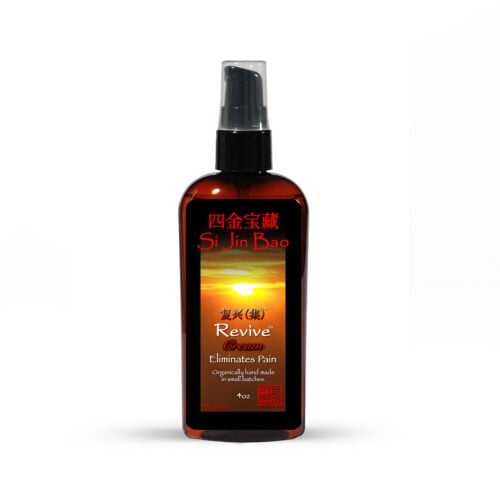
Revive™ PRO Fu Xing 复兴(集)
Login to view prices -
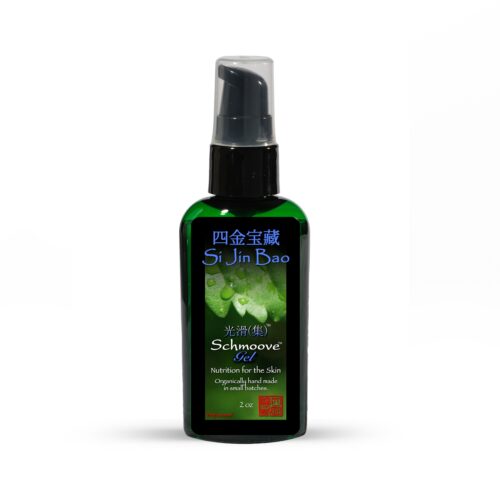
Schmoove™ PRO Guang Hua 光滑(集)
Login to view prices -
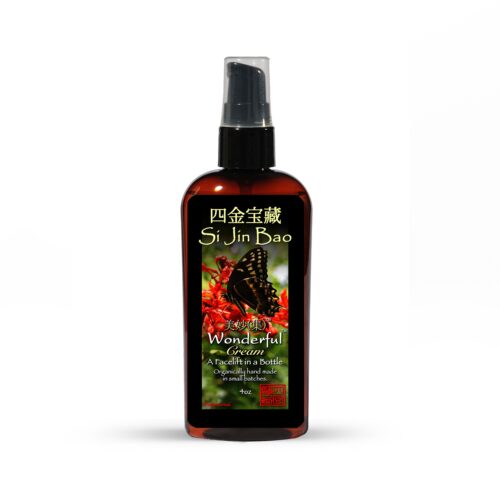
Wonderful™ PRO Mei Mao 美妙(集)
Login to view prices -
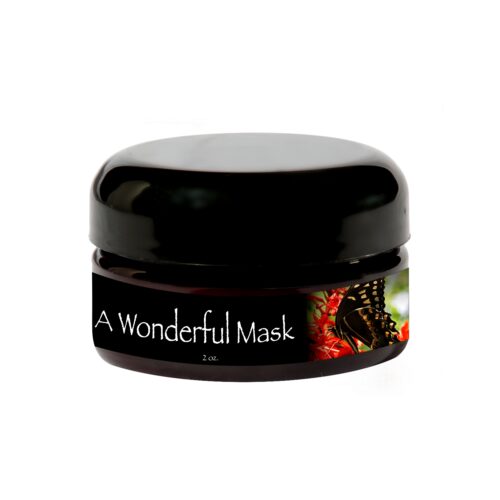
A Wonderful Mask™ 美妙
Login to view prices

Reviews
There are no reviews yet.