Enjoy Free US Domestic Shipping on Orders Over $400+

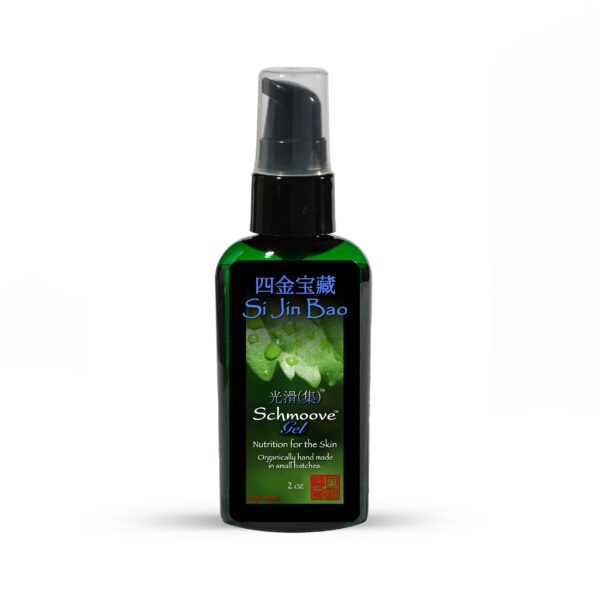
Schmoove™ PRO Guang Hua 光滑(集)
Login to view prices
- ACM/CCM/TCM Global Status: Safe & Effective
Professional Schmoove – Nutrition for the Skin
Schmoove™ alleviates and eliminates all types of skin conditions. Clinically it has been successful in treating skin irritation, break-outs, burns, dryness, skin damage, rashes, and insect bites to name a few. It was first formulated to treat burns for oncology patients who were undergoing radiation and chemotherapy but like many of our formulas, we found it to be useful many other ways.
Topical Herbaceutical · 光滑
光滑
Schmoove™
Nutrition for the Skin
27+ Years in Service
Origin
Built in Practice
Schmoove™ was first formulated in Dr. Polite’s clinic where he was seeing oncology patients whose skin was breaking down under radiation and chemotherapy — a clinical setting where the usual topical options either irritated further or did too little. The formula was designed to rebuild skin integrity under active tissue stress, using traditional Chinese herbs with established evidence for cooling Heat, draining Damp-Heat, and nourishing Yin fluids at the level of the skin.
What emerged was a cream that did the specific work of burn management, and then kept doing more than expected. Patients with unrelated skin conditions — irritation, dryness, insect bites, minor wounds, break-outs — reported the same pattern: the skin didn’t just settle, it improved. The name itself comes from a patient who ran out of descriptors and simply said her skin felt Schmoove.
The formula has been in continuous clinical use for over a quarter-century. It has not been reformulated.
Pattern It Treats
Heat, Damp-Heat, and Dry Wind at the Skin
In TCM, the skin is understood as a functional boundary between interior and exterior — simultaneously protective, excretory, and responsive to everything the body is processing internally. When the skin fails clinically, it is almost never a single factor. Heat from within, Damp accumulation, Wind-Dryness, and depleted Yin fluids all manifest at the surface, often simultaneously.
Schmoove™ addresses this composite pattern rather than a single mechanism. The formula clears Heat and Damp-Heat with Huang Qin, Da Huang, and Zi Cao; disperses Summer Heat and Wind with Bo He, Di Fu Zi, and Cang Er Zi; nourishes Yin fluids and regenerates the flesh with Sha Shen, Huang Qi, and Chi Shao Yao; and promotes microcirculation at the skin surface with Hong Hua — the mechanism underneath what Western practice recognizes as enhanced cell repair and oxygenation of damaged tissue.
Clinical Presentation
- Skin irritation, rashes, or contact dermatitis of unclear or multi-factor origin
- Dryness, flaking, or compromised barrier function
- Burns — thermal, chemical, or radiation-related
- Break-outs and inflamed lesions with a Heat component
- Sunburn, Summer Heat, or heat-induced irritation
- Insect bites with Wind-Damp itching or swelling
- Age spots, slow tissue repair, or skin that has lost its responsiveness
- Fungal presentations where Damp-Heat dominates (e.g., athlete’s foot)
How the Formula Works
Four Actions at the Skin Surface
The eleven herbs in Schmoove™ work on four simultaneous fronts. The formula was designed so that the skin does not have to be broken down by one thing before being treated for another — it receives all four corrections at once, in proportions refined across twenty-seven years of clinical use.
Huang Qin, Da Huang, and Zi Cao carry the Heat-clearing work. Huang Qin drains Heat from the upper burner and from inflamed tissue; Da Huang clears internal Heat and has documented topical activity against inflammatory skin conditions; Zi Cao (Lithospermum) is one of the classical herbs for Heat-Toxin and Blood-Heat presenting at the skin, with a specific affinity for burns and radiation-damaged tissue.
Di Fu Zi, Cang Er Zi, and Bo He handle the Wind and Summer Heat components — the itching, stinging, and surface irritation that accompany most active skin conditions. Bo He (peppermint) also provides immediate sensory relief at the application site, softening the distress that comes with compromised skin.
Sha Shen, Huang Qi, Chi Shao Yao, and the Witch Hazel Leaf Essence rebuild what has been lost. Sha Shen (Glehnia) nourishes Yin fluids; Huang Qi (Astragalus) supports the skin’s defensive Qi — the immune-equivalent function that maintains integrity; Chi Shao Yao cools the blood and moves stagnation that keeps damaged tissue from healing; witch hazel provides its own astringent, tissue-toning action documented in both Western herbalism and modern dermatology.
Hong Hua (safflower) is the formula’s microcirculation engine. Its traditional action is moving blood and dispersing stasis; in topical application, this translates to enhanced local perfusion — bringing nutrients and oxygen to tissue that needs to rebuild.
When to Reach for It
Recognition
Reach for Schmoove™ when the presenting skin condition involves Heat, Damp-Heat, or dryness with compromised integrity. The formula is suited to nearly any acute or chronic skin condition where the skin itself has lost its ability to protect, restore moisture, or settle inflammation on its own. It can also work alongside dermatology-directed care.
Western terminology commonly associated with these TCM patterns:
- Radiation dermatitis and chemotherapy-related skin damage — the original clinical context
- Burn care across thermal, chemical, and sun exposure
- Inflamed skin presentations with Heat or Damp-Heat
- Age spots and slow skin turnover in aging skin
- Post-procedure recovery where skin integrity needs support
- Athlete’s foot and other superficial fungal patterns with Damp-Heat
- Insect bites, minor cuts, and abrasions
- Dryness and flaking in patients with depleted Yin
光滑
Twenty-Seven Years on the Shelf
Schmoove™ was built in a TCM clinic to meet a specific, urgent need — and then it quietly became something else. Somewhere between the first patient who finished treatment and the thousandth who kept using it for everyday skincare, Schmoove™ became the bottle on the bathroom counter. The one people replace before they run out. The one they pack when they travel. The formula has not been reformulated in twenty-seven years.
Materia Medica · 本草
光滑
Guāng Huá
Schmoove™
Nutrition for the Skin
Each of the eleven herbs in Schmoove™ has its own character, channel path, and classical lineage. What follows is a full materia medica for every ingredient in the bottle — drawn from the Shen Nong Ben Cao Jing, Li Shizhen’s Ben Cao Gang Mu, and Bensky’s modern synthesis, with particular attention to each herb’s topical application and mechanism at the skin.
01
Herb 01
紫草
Radix Lithospermi / Arnebiae
Lithospermum Root, Purple Gromwell
Category
Herbs that Clear Heat & Cool the Blood
Nature & Flavor
Sweet, salty · Cold
Channels
Heart · Liver
Actions
Clears Heat and cools the blood, with specific activity at the level of the skin. Resolves Fire Toxicity and vents rashes that are trapped beneath the surface. Applied topically, it clears Damp-Heat skin lesions and actively supports the healing of tissue damaged by burns — thermal, chemical, or radiation. Bensky describes Zi Cao as one of the classical herbs of choice for burns.
Indications
Burns of all types, radiation dermatitis, Heat-Toxin rashes with dark or purple coloration, macular eruptions, Damp-Heat skin lesions, carbuncles, chronic ulcers, wound repair. Its characteristic deep purple pigment gives traditional ointments their signature color.
Classical Reference
First recorded in the Shen Nong Ben Cao Jing. The classical preparation Zi Yun Gao (Purple Cloud Ointment) — Zi Cao combined with Dang Gui in sesame oil and beeswax — has been used for burns, ulcers, and radiation-damaged tissue in both Chinese and Japanese traditions (where it is known as Shiunko). The herb’s primary active compound, shikonin, has been extensively studied in modern pharmacology for its wound-healing, anti-inflammatory, and antimicrobial properties.
Role in Formula
Zi Cao is the specific herb that anchored Schmoove™ for its original purpose — burn management in oncology patients. Its long-documented affinity for radiation-damaged and thermally compromised skin made it the foundation on which the rest of the formula was built.
02
Herb 02
黃芩
Radix Scutellariae
Scutellaria Root, Chinese Skullcap
Category
Herbs that Clear Heat & Dry Dampness
Nature & Flavor
Bitter · Cold
Channels
Lung · Stomach · Gallbladder · Large Intestine
Actions
Clears Heat and drains Dampness, with established activity against inflammation at every level of the body. Drains Fire and cools blood Heat. Its principal flavonoid, baicalin, has been the subject of extensive peer-reviewed research identifying anti-inflammatory, antimicrobial, and antioxidant mechanisms — many of which apply directly to inflamed and compromised skin.
Indications
Inflammatory skin conditions, Heat-type rashes and lesions, Damp-Heat presentations at the surface, acute infection with redness and swelling. Internally, Huang Qin is used for cough with yellow phlegm, dysentery, jaundice, and high fever.
Classical Reference
Recorded in the Shen Nong Ben Cao Jing as a middle-grade herb. Li Shizhen devoted extensive commentary to it in the Ben Cao Gang Mu, noting its ability to “reach the Lung and Large Intestine, cool the blood, and quiet fetal disturbance.” One of the most-studied herbs in the entire Chinese pharmacopeia.
Role in Formula
Huang Qin does the broad Heat-clearing work that Zi Cao cannot do alone. Where Zi Cao is blood-level cooling with a burn specialty, Huang Qin addresses the more general inflammatory Heat that underlies most skin presentations. The two herbs together cover the full range of Heat-driven skin involvement.
03
Herb 03
大黃
Radix et Rhizoma Rhei
Rhubarb Root
Category
Downward-Draining Herbs (Purgatives)
Nature & Flavor
Bitter · Cold
Channels
Spleen · Stomach · Large Intestine · Liver · Heart
Actions
Internally famous as a purgative, Da Huang also has a well-established topical use — clears Heat-Toxin and cools the blood at the skin surface, and invigorates blood to resolve stasis. Applied externally, it addresses hot, swollen, or stagnant presentations where inflammation and blood stagnation coexist.
Indications
Topically: burns, carbuncles, boils, Heat-Toxin sores, trauma with bruising and heat. Its anthraquinone compounds have documented anti-inflammatory and antimicrobial activity at the skin.
Classical Reference
Recorded in the Shen Nong Ben Cao Jing. Zhang Zhongjing placed Da Huang in many of his foundational formulas. In the Ben Cao Gang Mu, Li Shizhen describes the topical use of Da Huang powder for burns and trauma, including its combination with honey or sesame oil for external application.
Role in Formula
Da Huang brings its blood-moving quality to the Heat-clearing team. Where Zi Cao cools and Huang Qin drains, Da Huang also moves — which matters in any skin presentation where Heat has become fixed and the tissue isn’t resolving. It opens the stagnation that Heat alone cannot.
04
Herb 04
地膚子
Fructus Kochiae
Kochia Fruit, Belvedere Fruit
Category
Herbs that Drain Damp-Heat
Nature & Flavor
Bitter · Cold
Channels
Bladder
Actions
Drains Damp-Heat and relieves itching — particularly surface itching driven by Damp-Heat or Wind-Damp. Used internally for urinary Damp-Heat, but in topical applications it is prized specifically for its ability to stop itching at the skin.
Indications
Itching skin conditions of all kinds — hives, rashes, dermatitis, insect bites, sweat rash, post-radiation itch. Particularly useful when Damp-Heat accompanies the itching.
Classical Reference
Listed in the Shen Nong Ben Cao Jing. Classical texts note its particular affinity for surface Dampness and its usefulness both as a wash and as an internal decoction for itching presentations that won’t resolve.
Role in Formula
Di Fu Zi addresses the itching that drives patients to scratch, re-injure, and perpetuate their skin condition. Its inclusion in Schmoove™ is one of the reasons the cream is effective for patient comfort in the first application — the itching component resolves ahead of the underlying tissue repair.
05
Herb 05
蒼耳子
Fructus Xanthii
Xanthium Fruit, Cocklebur
Category
Warm, Acrid Herbs that Release the Exterior
Nature & Flavor
Sweet, bitter · Warm · (Slightly toxic; must be prepared)
Channels
Lung
Actions
Disperses Wind and relieves itching at the skin surface. Dispels Wind-Damp from the channels. Its sweet-bitter acrid quality makes it particularly useful for surface conditions where Wind has combined with Dampness to create itchy, migrating, or unresolved presentations.
Indications
Urticaria, chronic itching, Wind-Damp skin conditions, rhinitis and sinus congestion (for which it is best known internally). Topical use focuses on its Wind-dispersing action at the skin.
Classical Reference
Recorded in the Shen Nong Ben Cao Jing. Li Shizhen’s Ben Cao Gang Mu describes Cang Er Zi as treating “Wind poison in the limbs, festering sores, and itching that does not stop.” The preparation process reduces its mild toxicity while preserving its therapeutic action.
Role in Formula
Cang Er Zi partners with Di Fu Zi to handle the Wind and Wind-Damp component of itchy, irritated skin. While Di Fu Zi drains Damp-Heat, Cang Er Zi disperses Wind at the surface — together they cover the full spectrum of surface-level itching presentations.
06
Herb 06
薄荷
Herba Menthae Haplocalycis
Chinese Mint, Field Mint
Category
Cool, Acrid Herbs that Release the Exterior
Nature & Flavor
Acrid · Cool · Aromatic
Channels
Lung · Liver
Actions
Disperses Wind-Heat, clears the head and eyes, and vents rashes. The menthol content provides immediate cooling sensation at the skin surface — what practitioners and patients alike notice first when Schmoove™ is applied. Beyond the sensation, the cooling action is therapeutically real: it reduces Heat perception at the skin and slows the inflammatory cascade that itching and scratching accelerate.
Indications
Wind-Heat patterns at the surface, itching, heat eruptions, rashes struggling to come out, and conditions where the patient needs immediate tactile relief along with therapeutic action.
Classical Reference
Bo He appears in classical texts as early as the Tang dynasty. The Ben Cao Gang Mu describes its use for “Wind-Heat headache, red eyes, sore throat, and venting unresolved rashes.” Its volatile oils account for both the cooling sensation and the therapeutic action.
Role in Formula
Bo He provides what no other herb in the formula can: immediate sensory relief. When a patient with damaged or inflamed skin applies Schmoove™, the cooling is felt within seconds — which softens the distress of compromised skin and supports compliance with the full treatment protocol.
07
Herb 07
北沙參
Radix Glehniae
Glehnia Root, Coastal Glehnia
Category
Tonifying Herbs — Yin Tonics
Nature & Flavor
Sweet, slightly bitter · Cool
Channels
Lung · Stomach
Actions
Nourishes Lung Yin and generates fluids — addressing the underlying dryness and depletion that characterizes much of chronic skin failure. In TCM, the Lung governs the skin, and the Yin of the Lung is what keeps the skin moist, supple, and able to defend itself. When that Yin is depleted, the skin becomes dry, thin, and vulnerable.
Indications
Dry skin, aging skin with depleted moisture, post-radiation dryness, chronic dryness from medication side effects, thin or translucent skin with poor barrier function.
Classical Reference
Two types of Sha Shen exist in the Chinese pharmacopeia — Bei Sha Shen (Northern) and Nan Sha Shen (Southern). The Northern variety, used here, is considered more moistening and is the preferred choice when the primary need is to nourish Yin and generate fluids. Classical texts credit it with restoring what illness and treatment deplete.
Role in Formula
Sha Shen is the moisture engine of Schmoove™. Where the Heat-clearing herbs address active inflammation, Sha Shen addresses what the inflammation has taken — the Yin fluids that the skin needs to rebuild itself. Without it, the formula would cool and clear but not restore.
08
Herb 08
黃芪
Radix Astragali
Astragalus Root, Milk Vetch Root
Category
Tonifying Herbs — Qi Tonics
Nature & Flavor
Sweet · Slightly warm
Channels
Lung · Spleen
Actions
Tonifies Qi and strengthens the Wei Qi — the defensive Qi that protects the exterior. In TCM, Wei Qi circulates just beneath the skin surface and is responsible for the body’s capacity to resist external pathogens. Huang Qi also promotes tissue regeneration — a classical action specifically indicated for chronic wounds and skin that cannot repair itself.
Indications
Chronic wounds that won’t heal, ulcers with poor granulation, weak or aging skin with compromised barrier function, post-surgical recovery, and any skin condition accompanied by underlying Qi depletion.
Classical Reference
Listed as an upper-grade herb in the Shen Nong Ben Cao Jing — meaning it is considered safe for long-term use, supports longevity, and has minimal side effects. Classical texts credit Huang Qi with the specific ability to “expel pus and generate flesh” — a phrase that captured what we now understand as the promotion of granulation tissue and wound repair.
Role in Formula
Huang Qi strengthens the skin’s own capacity to rebuild. Where Sha Shen restores moisture and Zi Cao repairs damaged tissue directly, Huang Qi activates the body’s native tissue-regeneration response. It is the reason Schmoove™ supports not just symptom relief but actual skin improvement over time.
09
Herb 09
赤芍
Radix Paeoniae Rubra
Red Peony Root
Category
Herbs that Invigorate Blood & Resolve Stasis
Nature & Flavor
Sour, bitter · Slightly cold
Channels
Liver
Actions
Cools the blood and invigorates blood to resolve stasis. The combination of cooling and moving is distinctive — most blood-moving herbs are warming, and most blood-coolers don’t move. Chi Shao Yao does both, which makes it especially useful for skin conditions where heat and stagnation coexist.
Indications
Bruising, traumatic injury with heat, fixed dark blemishes, hyperpigmentation, Heat-type skin lesions with poor resolution, age spots, post-inflammatory discoloration.
Classical Reference
The distinction between Bai Shao (White Peony) and Chi Shao (Red Peony) was formalized by the Tang dynasty, reflecting the different properties of the prepared and unprepared roots. Li Shizhen’s Ben Cao Gang Mu describes Chi Shao as “descending and dispersing, drawing Heat downward and opening stagnation.”
Role in Formula
Chi Shao Yao addresses skin that has accumulated heat and stagnation together — the age spots, lingering discoloration, and fixed lesions that other formulas cannot resolve because they treat only one component. Its inclusion is why Schmoove™ is useful for aging skin presentations in addition to acute irritation.
10
Herb 10
紅花
Flos Carthami
Safflower, Carthamus
Category
Herbs that Invigorate Blood & Resolve Stasis
Nature & Flavor
Acrid · Warm
Channels
Heart · Liver
Actions
Invigorates blood and resolves stasis — one of the most reliable blood-movers in the Chinese pharmacopeia. In topical application, this action translates to enhanced local perfusion at the skin surface: more oxygen, more nutrients, more waste clearance, more rapid tissue turnover.
Indications
Bruising, trauma, dark fixed lesions, poor circulation at the skin, sluggish healing, tissue that has become cold or pale from chronic under-perfusion. Particularly useful for any skin condition where blood flow is part of the problem.
Classical Reference
Hong Hua was introduced to Chinese medicine during the Han dynasty, when Zhang Qian brought it back from his expeditions to Central Asia. By the time of the Ben Cao Gang Mu, Li Shizhen had codified its use for blood stasis patterns: “Hong Hua, in small dose nourishes blood; in large dose breaks blood.”
Role in Formula
Hong Hua is the microcirculation engine. What Western pharmacology describes as enhanced cell repair and oxygenation is what Hong Hua is doing at the TCM level — moving blood to tissue that needs rebuilding. Its warm nature balances the formula’s overall cooling quality just enough to keep circulation moving.
11
Herb 11
巫婆棒 頁精
Hamamelis Virginiana (Folium)
Witch Hazel Leaf Essence
Tradition
North American Herbalism
Nature & Flavor
Astringent · Cool
Action
Topical Astringent & Anti-inflammatory
Actions
Astringes tissue, reduces surface inflammation, and tones the skin. Witch hazel’s tannins have been studied for their ability to tighten skin, reduce edema, and calm inflammatory responses at the surface. It is one of the most thoroughly characterized topical herbs in Western herbalism, with FDA approval for external skin-care use in over-the-counter astringent products.
Indications
Bruising, minor skin irritation, surface inflammation, acne and break-outs, oily skin, sunburn, bites and stings. Its astringent action also helps with surface bleeding from minor cuts and abrasions.
Traditional Use
Witch hazel is native to North America and was used extensively by Indigenous peoples long before European colonization — for skin inflammation, bruising, insect bites, and wounds. It was adopted by 19th-century American herbalists and became a household staple by the early 20th century. In Schmoove™, it brings a complementary North American herbal tradition into dialogue with the Chinese herbs — a deliberate cross-pollination that reflects how Dr. Polite’s clinic practice actually operates.
Role in Formula
Witch hazel’s astringent action provides structural support at the skin level — tightening inflamed or lax tissue while the Chinese herbs do their deeper work. It is the herb patients often recognize by name, and its inclusion signals that Schmoove™ is built to work across traditions rather than adhere rigidly to one.
P1
Preparation Ingredient
蔬菜甘油
Glycerinum Vegetabile
Vegetable Glycerin
Purpose
Humectant, Carrier & Preservative
Source
Plant-derived, food-grade
Properties
Sweet · Neutral · Moisturizing
Function in Preparation
Humectant Action
Vegetable glycerin is a proven humectant — it draws moisture from the surrounding environment into the skin, which directly supports the formula’s Yin-nourishing action. This makes Schmoove™ feel immediately moisturizing on application, not just after the herbs have had time to work.
Why Glycerin Over Alcohol
Schmoove™ is alcohol-free. Alcohol-based topical carriers can strip fats and dry the skin — a counterproductive effect when treating compromised tissue. Glycerin provides all the preservation and carrier function without this drawback, making the formula suited for sensitive, broken, or post-treatment skin.
P2
Preparation Ingredient
蒸餾水
Aqua Destillata
Distilled Water
Purpose
Extraction & Formulation Medium
Source
Purified, pharmaceutical-grade
Properties
Neutral · Free of contaminants
Function in Preparation
Extraction Medium
Distilled water serves as the extraction medium for the water-soluble active compounds in the eleven herbs. The clean, contaminant-free base ensures that the formula’s therapeutic action comes from the herbs alone.
Purity for Compromised Skin
Distillation removes mineral salts, trace contaminants, and biological matter that could irritate broken or sensitive skin. This matters in the formula’s original clinical context — oncology patients whose skin has been actively compromised — where any impurity in the base could worsen the very condition being treated.
Cream Formulation Only
Three Additional Ingredients
Schmoove™ is available in both Cream and Gel formulations. The Gel contains the eleven herbs and two preparation ingredients described above. The Cream adds three further ingredients that give it its richer, more emollient texture — useful for drier skin, colder weather, or anywhere a lingering moisture barrier is needed.
C1
Cream Ingredient · Carrier Oil
杏子油
Prunus armeniaca oleum
Apricot Kernel Oil
Function
Emollient & Carrier Oil
Source
Cold-pressed from apricot kernels
Properties
Sweet · Warm · Rich in Vitamins A & E
Function in the Cream
Emollient Action
Apricot kernel oil is a light, easily-absorbed carrier oil prized in both Chinese and Western skin-care traditions. It softens the skin, reinforces the lipid barrier, and supports the delivery of the herbal extracts into the upper layers of the epidermis without leaving a heavy or greasy film.
Nutrient Profile
The oil is naturally rich in oleic and linoleic fatty acids, Vitamin E, and Vitamin A precursors — all of which support healthy skin turnover and barrier function. It is particularly well suited to dry, mature, or compromised skin.
C2
Cream Ingredient · Carrier Oil
甘杏仁油
Prunus amygdalus dulcis oleum
Sweet Almond Oil
Function
Emollient & Nutritive Oil
Source
Cold-pressed from sweet almonds
Properties
Sweet · Neutral to warm · Rich in Vitamin E & fatty acids
Function in the Cream
Skin Conditioning
Sweet almond oil is one of the most thoroughly documented carrier oils in modern dermatology. It is gentle enough for sensitive and pediatric skin, effective at reducing transepidermal water loss, and provides sustained moisturization without clogging pores.
Complementary to Apricot Kernel
Paired with apricot kernel oil, sweet almond oil extends the time the Cream remains active at the skin surface — giving the herbal extracts a longer window to exert their therapeutic effect. The two oils together also give the Cream its characteristic smooth, buildable texture.
C3
Cream Ingredient · Natural Emulsifier
蜂蠟
Cera Flava
Beeswax
Function
Emulsifier, Thickener & Barrier
Source
Natural, ethically sourced
Properties
Sweet · Neutral · Forms breathable barrier
Classical & Modern Use
Beeswax has been used in medicinal ointments for thousands of years across Eastern and Western traditions alike. Li Shizhen’s Ben Cao Gang Mu lists it as a binding agent for topical preparations; classical Shiunko and Zi Yun Gao (the Purple Cloud Ointment based on Zi Cao) both use beeswax as their structural base. In modern cosmetic chemistry, it remains one of the few emulsifiers that combines a skin-tolerant profile with meaningful occlusive action.
Function in the Cream
Structural Role
Beeswax is what gives the Cream its structure — binding the oils, glycerin, and water-based herbal extracts into a stable, evenly-dispersed emulsion. Without it, the Cream would separate.
Breathable Barrier
Unlike petroleum-based occlusives, beeswax forms a breathable barrier on the skin — protecting compromised tissue and locking in moisture while still allowing the skin to function. This is especially important for wound repair and post-procedure recovery, where an airtight seal can slow healing.
光滑
Every Layer, Every Formulation
The eleven herbs address every layer of skin dysfunction — inflammation, Heat, Damp, Wind, depleted fluids, sluggish circulation, and compromised tissue integrity. The Gel carries them in a light, fast-absorbing base. The Cream carries them in a richer, sustained-release base. The herbs are the same either way.
SCHMOOVE PRO Product Sheet by SJB Team
Topical Application · 外用
Course of Treatment
Schmoove™ is designed for topical application to or around the affected area, following the classical TCM principle of Surround the Dragon.
Professional Dosage
1.5–2.0 cc
On or near the affected area
Frequency
Three times daily
Course
90 days
Classical TCM Teaching
Surround the Dragon
If there is a lesion, cut, pimple, or rash, apply Schmoove™ around it — not on top. The healthy skin will assist the damaged skin in the healing process.
Transition Time
Cream vs. Gel
Transition time is the period Schmoove™ takes to absorb into the skin after application.
Cream
5–20
min
Richer base
Gel
1–2
min
Fast-absorbing
Research · 研究
光滑
Guāng Huá
Peer-Reviewed Evidence
Six Studies on the Herbs in Schmoove™
What follows is peer-reviewed research on the individual herbs that make up Schmoove — with particular focus on Zi Cao (Lithospermum) and its active compound shikonin, the classical herb for burn and radiation-damaged tissue. These studies are provided for practitioner reference.
01
Study 01 · Randomized Controlled Trial
Frontiers in Pharmacology · 2023
Herb focus: Zi Cao (Lithospermum erythrorhizon)
Design
Prospective, randomized, single-blind pilot RCT
Participants
50 breast cancer patients undergoing post-operative radiation
Relevance
Direct clinical evidence for Zi Cao ointment in radiation burns — the original use case for Schmoove™
Background
Jaungo (known in Chinese as Zi Yun Gao, in Japanese as Shiunko) is a classical herbal ointment whose principal ingredient is Zi Cao (Lithospermum erythrorhizon). It has been used in East Asian medicine for centuries to treat burns, frostbite, abrasions, and damaged skin. The Korean Ministry of Food and Drug Safety has registered Jaungo as a topical drug for skin inflammation, and it is widely used in clinical practice to prevent radiation-induced dermatitis in cancer patients.
Methods
Between March 2021 and July 2022, fifty breast cancer patients undergoing post-operative radiation therapy were randomly assigned to apply either Jaungo or a standard water-in-oil non-steroidal moisturizer three times daily throughout their five- to seven-week radiation course. Assessments were conducted weekly during treatment and again two weeks after completion. The primary outcome was the incidence rate of radiation-induced dermatitis graded two or higher.
Findings
The study identified shikonin, acetylshikonin, ferulic acid, and decursin as the active compounds in Jaungo responsible for its therapeutic effect. These compounds were shown to improve wound healing, promote granulation tissue formation, and support re-epithelialization through antibacterial and anti-inflammatory mechanisms. The authors concluded that Jaungo represents a viable traditional herbal option for the prevention of radiation-induced dermatitis.
Relevance to Schmoove™
Jaungo is the classical Zi Cao ointment lineage from which Schmoove™ descends. This study provides direct human clinical evidence that the Zi Cao base supports radiation-damaged skin — precisely the clinical context in which Schmoove™ was originally formulated.
Citation
Frontiers in Pharmacology, 2023. “Comparative efficacy of Jaungo, a traditional herbal ointment, and a water-in-oil type non-steroidal moisturizer for radiation-induced dermatitis in patients with breast cancer.” DOI: 10.3389/fphar.2023.1216668
02
Study 02 · Pharmacological Review
Pharmaceuticals (PMC) · 2023
Herb focus: Zi Cao — shikonin, its primary active compound
Design
Comprehensive pharmacological review
Scope
Mechanisms of shikonin in wound healing, skin repair, and dermatological conditions
Relevance
Explains the cellular and molecular basis of Zi Cao’s clinical effects on skin
Background
Lithospermum erythrorhizon has been used in Chinese medicine for over two thousand years for the treatment of measles, skin sores, eczema, and burns. Its primary active compound, shikonin, is a naphthoquinone pigment with documented anti-inflammatory, antibacterial, immunomodulatory, and wound-healing activities. The review synthesizes research across dermatophytosis, psoriasis, melanoma, proliferative scarring, and general skin-repair applications.
Key Findings
Shikonin was shown to promote the formation of granulation tissue and induce neovascularization in damaged skin. It supports the growth of human keratinocytes — the primary cells responsible for skin regeneration — and exerts anti-inflammatory effects through proteasome inhibition. The authors also described shikonin’s modulation of the Nr4a family of orphan nuclear receptors in mast cells, which provides an additional mechanism relevant to inflammatory skin conditions.
Mechanistic Detail
Shikonin’s wound-healing action operates on multiple fronts simultaneously: it promotes keratinocyte proliferation, supports fibroblast activity, encourages vascular endothelial growth factor (VEGF) expression to restore blood supply to damaged tissue, and reduces inflammation by inhibiting the proteasome pathway. These combined mechanisms explain the compound’s clinical effectiveness in burns, ulcers, and radiation-damaged skin.
Relevance to Schmoove™
This review provides the molecular-level explanation for why Zi Cao has anchored topical burn formulas in East Asian medicine for centuries. Every mechanism documented — keratinocyte growth, granulation tissue formation, neovascularization, anti-inflammation — is directly relevant to the tissue states that Schmoove™ is designed to support.
Citation
Pharmaceuticals, 2023. “Pharmacological Effects of Shikonin and Its Potential in Skin Repair: A Review.” PMCID: PMC10745356
03
Study 03 · In Vitro & In Vivo
Phytomedicine · 2022
Herb focus: Zi Cao — antibacterial action
Design
In vitro antibacterial testing + in vivo infected-wound model in rats
Sample
64 Sprague-Dawley rats, four treatment groups, 21-day protocol
Relevance
Demonstrates shikonin’s efficacy against antibiotic-resistant bacteria in infected burn wounds
Background
Methicillin-resistant Staphylococcus aureus (MRSA) infection is one of the most difficult complications in burn care, and its increasing prevalence has driven the search for plant-derived antimicrobial alternatives to conventional antibiotics. Shikonin, extracted from the root of Lithospermum erythrorhizon, has documented antimicrobial and anti-inflammatory activity and was the focus of this investigation.
Methods
Researchers developed a shikonin liposome formulation for sustained release and tested it both in vitro against S. aureus and in vivo on MRSA-infected burn wounds in rats. Sixty-four male rats were randomly divided into four groups: control, model, shikonin liposome, and Arnebia oil (a commercial shikonin-based ointment). Treatments were applied topically twice daily for twenty-one days, with full-thickness skin biopsies collected at intervals.
Findings
The shikonin formulation demonstrated dose-dependent antibacterial activity by damaging bacterial cell walls and membranes. In the infected burn-wound model, shikonin facilitated wound healing through three distinct mechanisms: control of bacterial infection, regulation of the IκBα/NF-κB-p65 inflammatory pathway to reduce inflammation, and direct promotion of tissue repair. The authors concluded that shikonin represents a viable alternative therapy for drug-resistant burn wound infections.
Relevance to Schmoove™
The triple mechanism documented here — antimicrobial action, inflammation reduction, and tissue repair — matches the three therapeutic targets Schmoove™ addresses simultaneously. The study also confirms that Zi Cao is effective against resistant bacterial strains, which is relevant for any topical formulation applied to compromised skin where secondary infection is a risk.
Citation
Shu G et al. Phytomedicine, 2022. “Preparation of shikonin liposome and evaluation of its in vitro antibacterial and in vivo infected wound healing activity.” PMID: 35286935
04
Study 04 · Pharmacological Review
Pharmacognosy Reviews · 2018
Herb focus: Huang Qi (Astragalus membranaceus)
Design
Systematic comparison of traditional uses and modern research
Scope
Dermatological applications of Astragalus — photoprotection, wound healing, anti-inflammation
Relevance
Scientific validation of Huang Qi’s traditional wound-healing and tissue-regeneration effects
Background
Astragalus membranaceus (Huang Qi) has been used in traditional Chinese medicine for over two thousand years, with its dermatological applications falling into three classical categories: tonifying defensive qi and securing the exterior, expelling toxins and pus, and promoting tissue regeneration and wound healing. The authors set out to systematically compare these traditional uses against modern research findings.
Key Findings
The review concluded that each of the three traditional categories of use has a documented modern scientific correlate. The “tonifying defensive qi” effect corresponds to photoprotective, antiaging, and skin-tissue-protective actions. The “expelling toxins” effect corresponds to anti-inflammatory activity. The “promoting tissue regeneration” effect corresponds to measured wound-healing activity, particularly through the cellular mechanisms of astragaloside IV.
Mechanistic Components
The authors identified astragaloside IV, formononetin, calycosin, cycloastragenol, and gamma-aminobutyric acid (GABA) as the major bioactive compounds responsible for Astragalus’s therapeutic effects on skin. Astragaloside IV in particular was shown to act through the PI3K/Akt signaling pathway to promote VEGF expression and support vascular regeneration in damaged tissue — a cellular mechanism central to wound repair.
Relevance to Schmoove™
Huang Qi’s classical function of generating flesh — promoting the regeneration of damaged tissue — is one of the three pillars of the Schmoove™ formula. This review provides the mechanistic scaffolding that explains why Huang Qi belongs in any topical preparation designed to rebuild compromised skin.
Citation
Yun C, Kim H. Pharmacognosy Reviews, 2018. “Using Astragalus membranaceus (Fisch.) Bge. To treat skin diseases: Comparison of traditional uses and research results.” 12:225-229
05
Study 05 · Pharmacological Review
Frontiers in Pharmacology · 2023
Herb focus: Huang Qin (Scutellaria baicalensis)
Design
Comprehensive pharmacological review of Scutellaria baicalensis
Scope
Anti-inflammatory, antioxidant, and antimicrobial mechanisms of baicalin
Relevance
Molecular basis for Huang Qin’s broad anti-inflammatory action — applicable to inflamed skin
Background
Scutellaria baicalensis (Huang Qin) is one of the most thoroughly studied herbs in the Chinese pharmacopoeia. Its principal flavonoid, baicalin, has been the subject of extensive peer-reviewed research identifying mechanisms relevant to inflammation at every level of the body, including the skin.
Key Findings
Baicalin has documented anti-inflammatory activity through inhibition of the NF-κB pathway — the central inflammatory signaling cascade that drives redness, swelling, and tissue damage in acute and chronic skin presentations. It has additional antioxidant activity that reduces oxidative stress on damaged tissue, and antimicrobial activity against several bacterial species commonly involved in skin infection.
Relevance to Topical Application
While much of the baicalin research has focused on oral administration, the compound’s anti-inflammatory and antioxidant mechanisms translate directly to topical application on inflamed or compromised skin. The NF-κB pathway operates in skin tissue just as it does internally, and compounds that inhibit it have measurable effects on surface inflammation.
Relevance to Schmoove™
Huang Qin carries the broad Heat-clearing work in Schmoove™ — complementing Zi Cao’s specialized burn and radiation-tissue affinity. The baicalin evidence documents why this herb has been a staple of topical preparations for centuries: it addresses the inflammation that underlies most skin presentations, regardless of specific cause.
Citation
Frontiers in Pharmacology, 2023. “Scutellaria baicalensis and its constituents: comprehensive review of anti-inflammatory and antioxidant activities.” PMCID: PMC10164968
06
Study 06 · In Vivo Experimental Study
International Journal of Morphology · 2024
Herb focus: Zi Cao — mechanism in second-degree burns
Design
Controlled in vivo burn model in mice
Comparison
Shikonin ointment vs. Vaseline vs. vehicle control
Relevance
Histological evidence of accelerated skin repair at the cellular level
Background
Despite shikonin’s long history of traditional use for burns, the cellular and molecular mechanisms underlying its wound-healing action have not been fully characterized in controlled experimental settings. This study was designed to evaluate shikonin’s efficacy against second-degree burns and to identify the specific cellular pathways through which it operates.
Methods
Second-degree burns were induced on mouse skin, and the wounds were treated with one of three preparations: shikonin ointment, Vaseline, or a vehicle control. Tissue samples were collected at intervals and analyzed through conventional pathological staining (H&E), EdU staining to assess cellular proliferation, and immunofluorescence staining for CK14, CK19, and α-SMA markers.
Findings
Shikonin-treated wounds showed significantly accelerated healing compared to both Vaseline and control groups. Histological analysis demonstrated that shikonin promoted the normal distribution of skin keratin at the damaged site, supported the proliferation of skin cells and hair follicles, increased fibroblast numbers at the wound site (via α-SMA staining), and enhanced expression of the keratinocyte markers CK14 and CK19 — all indicators of active tissue rebuilding rather than mere protective covering.
Relevance to Schmoove™
This study is particularly valuable because it compares shikonin directly against Vaseline — the default occlusive most commonly used in conventional burn care. The finding that shikonin actively promotes tissue rebuilding, rather than simply protecting the wound surface, supports the clinical rationale for Zi Cao-based formulations like Schmoove™ in any setting where skin needs to regenerate rather than merely heal closed.
Citation
Liu JX, Yang L, Wan Y, Zhao WE, Li SW. International Journal of Morphology, 2024. “Small Molecules Accelerate Skin Wound Healing: Shikonin Efficacy and Mechanism of Action in Mice.” 42(1):127-136
光滑
Tradition Meets Mechanism
The research supports what the clinic has been observing for twenty-seven years. Zi Cao repairs burns. Huang Qin reduces inflammation. Huang Qi regenerates tissue. Hong Hua restores circulation. The formula is doing exactly what each herb, individually and in combination, has been documented to do — just in a single bottle, applied once.
Related products
-

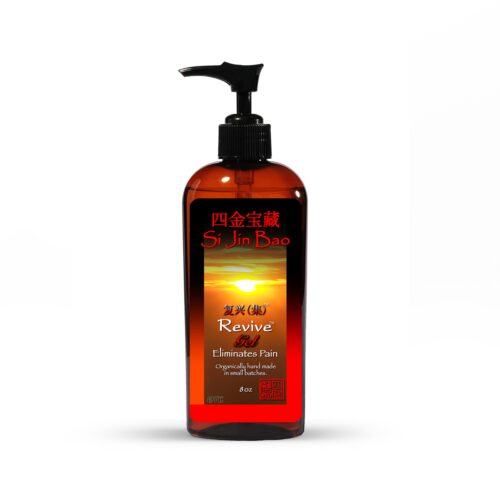
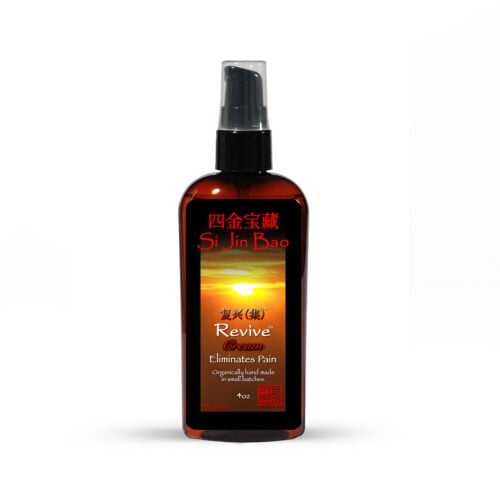
Revive™ OTC Fu Xing 复兴(集)
Login to view prices -
Revive™ PRO Fu Xing 复兴(集)
Login to view prices -
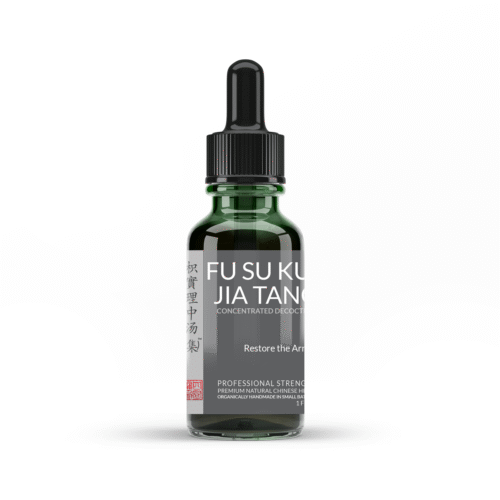
Fù Sū Kuī Jiǎ Tāng 復蘇 盔甲 汤
Login to view prices -
Yucca’b’Energized™ 丝兰
Login to view prices

Reviews
There are no reviews yet.