Enjoy Free US Domestic Shipping on Orders Over $400+

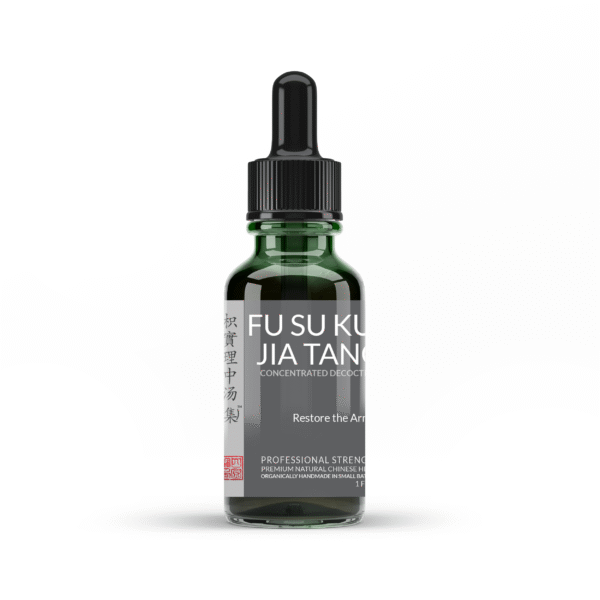
Fù Sū Kuī Jiǎ Tāng 復蘇 盔甲 汤
Login to view prices
- ACM/CCM/TCM Global Status: Safe & Effective
Restore the Armor Decoction™ – 1oz
This formula was designed for those hard to treat skin types that did not respond well to Traditional Western treatment. It has also been adapted for the skin care industry to prevent simple skin conditions.
Si Jin Bao Proprietary Formula · 2000
復蘇盔甲湯
Restore the Armor Decoction
Skin Tea™
Over a Quarter-Century in Service
The Formula
Restore the Body’s Armor
Fù Sū Kuī Jiǎ Tāng — the Restore the Armor Decoction, known as Skin Tea — is Si Jin Bao’s proprietary formula for the skin: clearing Heat, drying Dampness, eliminating Wind, and cooling and nourishing the Blood and Yin beneath an inflamed, reactive surface.
In Chinese medicine the skin is the body’s armor — its outermost defense against the world. When Wind, Damp, and Heat lodge in that layer, the armor turns against itself: it reddens, weeps, itches, scales, and erupts. This formula was built for exactly the skin presentations that resist conventional treatment, clearing the Heat and Damp that drive them while restoring the Yin and fluids that keep the surface calm.
The Principle
Clear the Heat, Calm the Surface
Difficult skin is rarely only skin-deep. The classical view places stubborn dermatitis, eczema, psoriasis, and urticaria at the meeting of three factors — Wind that moves and itches, Damp that weeps and lingers, and Heat that reddens and inflames — often with the Blood and Yin scorched dry beneath. A formula that treats only the surface, or only one of these factors, tends to leave the others to drive the next flare.
Fù Sū Kuī Jiǎ Tāng answers all of them at once: it drains Heat downward, dries the Damp, disperses the Wind, cools the Blood, and replenishes the Yin fluid — so the surface can finally settle and the body’s armor can rebuild itself.
A Note on the Skin as Armor
In classical theory the skin and its defensive Qi are the body’s armor — the boundary that meets the outside world and holds the interior safe. Healthy armor is supple and intact; compromised armor reddens, breaks, and itches. The formula’s name reflects its aim: not to suppress the surface, but to restore the integrity of the body’s outermost layer.
The Pattern
Wind, Damp & Heat in the Skin · 風濕熱
The pattern this formula answers is Wind-Damp-Heat lodged in the skin and Blood, frequently over a background of Yin and fluid depletion — the hot, itchy, weeping, scaling, or erupting surface that recurs and resists. It is the picture beneath the difficult skin types that conventional topical treatment alone often fails to resolve.
Clinical Indications
- All types of dermatitis
- All types of eczema
- Psoriasis
- Urticaria (all types)
- Febrile disease
- Seasonal allergies — itchy/watery eyes, itchy nose
How It Works
Nine Herbs: Clear, Dry, Disperse, Nourish
Dà Huáng drains Heat downward and clears Heat-toxin, giving the Heat trapped in the surface a route out through the bowel. Huáng Qín and Huáng Bǎi clear Heat and dry the Damp that weeps and inflames — Huang Qin working in the upper body, Huang Bai below.
Bei Zi Cao cools the Blood and clears Heat-toxin, the classical herb for red, erupting skin. Dì Fū Zǐ clears Damp-Heat and stops itching — the formula’s anti-pruritic. Shēng Dì Huáng cools the Blood and nourishes the Yin and fluids scorched beneath the Heat, so clearing does not leave the surface dry.
Jú Huā and Bò Hé disperse Wind-Heat and vent the surface — easing itchy, watery eyes and nose and moving the trapped Heat outward. And Gān Cǎo clears Heat-toxin while harmonizing the formula, moderating the cold, draining herbs so the whole works as one. Clear, dry, disperse, nourish.
Clinical Recognition
When to Reach for It
Reach for Fù Sū Kuī Jiǎ Tāng for the stubborn, recurrent skin presentation — red, itchy, weeping, or scaling — that hasn’t responded to conventional topical treatment, especially where Heat and Damp dominate and the surface flares with the seasons. It was built for the hard-to-treat skin types, and adapted in gentler form for everyday skin care.
Western conditions and terminology that are commonly associated with these TCM patterns:
- All types of dermatitis and eczema
- Psoriasis; all types of urticaria
- Febrile disease
- Seasonal allergies (itchy/watery eyes, itchy nose)
盔甲
The Si Jin Bao Preparation
Si Jin Bao’s Fù Sū Kuī Jiǎ Tāng is a concentrated decoction prepared in small batches using traditional methods — alcohol-free, no fillers. A formula meant to restore the body’s outermost armor is itself made clean, with nothing added that the skin must answer for.
Materia Medica · 本草
復蘇盔甲湯
Fù Sū Kuī Jiǎ Tāng
Restore the Armor Decoction
Skin Tea™
Nine herbs that clear Heat, dry Dampness, disperse Wind, cool the Blood, and nourish the Yin — addressing the difficult, recurrent skin at the meeting of Wind, Damp, and Heat. Below, each herb in its own right: nature, channels, classical actions, and its role in this formula.
01
Herb 01
大黄
Radix et Rhizoma Rhei
Rhubarb Root & Rhizome
CategoryDrain Downward · Purge Accumulation
Nature & FlavorBitter; Cold
ChannelsSpleen · Stomach · Large Intestine · Liver · Pericardium
Actions
Drains Heat and purges accumulation; clears Heat and resolves toxicity; cools the Blood and invigorates the Blood, dispelling stasis.
Indications
Heat patterns with constipation and accumulation; Heat in the Blood with reddened, erupting skin; Heat-toxin sores.
Classical Reference
Recorded in the Shén Nóng Běn Cǎo Jīng (神農本草經), the foundational classic of the Chinese materia medica.
Role in this Formula
Drains Heat downward and clears Heat-toxin from the Blood, giving the Heat trapped in the skin a route out through the bowel.
02
Herb 02
黄柏
Cortex Phellodendri
Phellodendron Bark
CategoryClear Heat · Dry Dampness
Nature & FlavorBitter; Cold
ChannelsKidney · Bladder · Large Intestine
Actions
Drains Damp-Heat, especially from the lower burner; drains Fire and resolves toxicity; clears Heat and resolves toxin in skin lesions and sores.
Indications
Damp-Heat skin lesions, weeping eczema, and sores; Damp-Heat in the lower body.
Classical Reference
Recorded in the Shén Nóng Běn Cǎo Jīng (神農本草經), among the herbs that clear Heat and dry Dampness.
Role in this Formula
Clears Damp-Heat from below and drains Fire, resolving toxin in the damp, inflamed skin lesions — partnering Huáng Qín above.
03
Herb 03
黃芩
Radix Scutellariae
Scutellaria Root (Skullcap)
CategoryClear Heat · Dry Dampness
Nature & FlavorBitter; Cold
ChannelsLung · Stomach · Gallbladder · Large Intestine
Actions
Clears Heat and dries Dampness, especially in the upper burner; drains Fire and resolves toxicity; cools the Blood.
Indications
Damp-Heat patterns; Heat in the upper body; Heat in the Blood with skin eruptions.
Classical Reference
Recorded in the Shén Nóng Běn Cǎo Jīng (神農本草經), a principal herb for clearing Damp-Heat.
Role in this Formula
Clears Heat and dries Damp in the upper body and cools the Blood, working with Huáng Bǎi to address Damp-Heat above and below.
04
Herb 04
紫草
Radix Arnebiae
Lithospermum / Gromwell Root
CategoryClear Heat · Cool the Blood
Nature & FlavorSweet, Salty; Cold
ChannelsHeart · Liver
Actions
Cools the Blood and invigorates the Blood; clears Heat and resolves toxicity; vents and resolves rashes and eruptions.
Indications
Blood-Heat skin eruptions, macules, and dermatitis; reddened, erupting skin; burns and slow-healing sores.
Classical Reference
Recorded in the Shén Nóng Běn Cǎo Jīng (神農本草經), long used for reddened, erupting skin.
Role in this Formula
Cools the Blood and clears Heat-toxin — the classical herb for the red, erupting skin at the center of this pattern.
05
Herb 05
地膚子
Fructus Kochiae
Kochia Fruit
CategoryDrain Dampness · Clear Damp-Heat
Nature & FlavorAcrid, Bitter; Cold
ChannelsBladder
Actions
Clears Damp-Heat and promotes urination; dispels Dampness and stops itching.
Indications
Damp-Heat skin disorders with itching — eczema, urticaria, and itchy rashes; damp, weeping lesions.
Classical Reference
Recorded in the Shén Nóng Běn Cǎo Jīng (神農本草經), a classic herb for itching skin.
Role in this Formula
Clears Damp-Heat and stops itching — the formula’s dedicated anti-pruritic for the itchy, weeping surface.
06
Herb 06
菊花
Flos Chrysanthemi
Chrysanthemum Flower
CategoryRelease the Exterior · Disperse Wind-Heat
Nature & FlavorSweet, Bitter; Slightly Cold
ChannelsLung · Liver
Actions
Disperses Wind-Heat; clears the Liver and brightens the eyes; clears Heat and resolves toxicity; calms the Liver.
Indications
Wind-Heat with red, itchy, watery eyes; Wind-Heat at the surface; headache and seasonal Wind-Heat presentations.
Classical Reference
Recorded in the Shén Nóng Běn Cǎo Jīng (神農本草經), valued for dispersing Wind-Heat and soothing the eyes.
Role in this Formula
Disperses Wind-Heat and soothes the eyes — for the itchy, watery eyes of seasonal presentations — while venting the surface.
07
Herb 07
生地黃
Radix Rehmanniae
Rehmannia Root (Chinese Foxglove)
CategoryClear Heat · Cool the Blood
Nature & FlavorSweet, Bitter; Cold
ChannelsHeart · Liver · Kidney
Actions
Clears Heat and cools the Blood; nourishes the Yin and generates fluids.
Indications
Heat in the Blood with eruptions; Yin and fluid depletion with dryness and Heat signs.
Classical Reference
Recorded in the Shén Nóng Běn Cǎo Jīng (神農本草經), a principal herb to cool the Blood and nourish the Yin.
Role in this Formula
Cools the Blood and nourishes the Yin and fluids scorched beneath the Heat, so that clearing does not leave the surface dry.
08
Herb 08
甘草
Radix Glycyrrhizae
Licorice Root
CategoryTonify Qi · Harmonize
Nature & FlavorSweet; Neutral
ChannelsHeart · Lung · Spleen · Stomach
Actions
Tonifies the Spleen and augments Qi; clears Heat and resolves toxicity; moderates and harmonizes the other herbs in a formula.
Indications
Heat-toxicity; used throughout the materia medica to harmonize and moderate cold, draining, or harsh herbs.
Classical Reference
Recorded in the Shén Nóng Běn Cǎo Jīng (神農本草經), traditionally called the great harmonizer of the materia medica.
Role in this Formula
Clears Heat-toxin and harmonizes the formula, moderating the cold, draining herbs so the whole works together as one.
09
Herb 09
薄荷
Herba Menthae
Mint (Field Mint)
CategoryRelease the Exterior · Disperse Wind-Heat
Nature & FlavorAcrid; Cool
ChannelsLung · Liver
Actions
Disperses Wind-Heat; clears the head, eyes, and throat; vents rashes; soothes constrained Liver Qi.
Indications
Wind-Heat at the surface; itchy nose and eyes; incompletely expressed rashes; Wind-Heat with throat and head symptoms.
Classical Reference
Documented in the classical materia medica among the herbs that disperse Wind-Heat and vent the surface.
Role in this Formula
Disperses Wind-Heat and vents the surface — easing the itchy nose and eyes and moving the trapped Heat outward.
10
Herb 10
蔬菜甘油
Glycerinum Vegetabile
Vegetable Glycerin
Nature (性)
Neutral · 平 Píng
Taste (味)
Sweet · 甘 Gān
Category
Excipient · Carrier
Traditional Actions (功效)
Harmonizes and guides the other medicinals to their target tissues. Analogous to synovial fluid — providing a medium for smooth movement and deep delivery throughout the decoction.
Role in this Formula
Excipient function: Dissolves and stabilizes the botanical constituents of the formula, ensuring consistent delivery in decoction form. Mucosal hydration: By attracting and retaining water, glycerin keeps the oral and digestive mucosa moist. Patient tolerance: Its naturally sweet, neutral profile makes the formula palatable for children and adults alike.
Modern Research
International Journal of Pharmaceutics · 2023
Glycerin serves as a co-solvent and humectant in oral liquid formulations, enhancing solubility of poorly water-soluble compounds, stabilizing active ingredients, and improving mucosal hydration.
Journal of Clinical Pharmacology · 2018
Oral glycerol has been widely used as an osmotic agent. Doses of 1–1.5 g/kg are safe and well-tolerated; its mechanism involves osmotic fluid redistribution between compartments.
Clinical Oral Investigations · 2022
Glycerin-containing oral moisturizers significantly improved xerostomia symptoms compared with water-based controls, enhancing mucosal hydration and prolonging moisture retention in the oral cavity.
Clinical Translation
Gān Yóu guides the physical delivery of the formula — ensuring the preparation reaches its target tissues and is tolerated long enough to do its work. A naturally sweet, neutral carrier that makes the decoction palatable for adults and children alike.
11
Herb 11
蒸餾水
Aqua Destillata
Distilled Water
Nature (性)
Neutral · 平 Píng
Taste (味)
Tasteless
Category
Vehicle · Neutral Carrier
Traditional Actions (功效)
Not a classical herb in its own right. Functions as a neutral carrier — a pharmaceutically pure vehicle that allows the active constituents of the classical herbs in the formula to extract, stabilize, and deliver without interference.
Role in this Formula
Biomedical role: A pharmaceutically pure solvent, ensuring consistent extraction and delivery of active compounds without introducing mineral ions, microbial contaminants, or chemical interference. Clinical relevance: Acts as a safe vehicle — analogous to saline in biomedicine — so that every dose of the formula performs identically, from the first bottle to the last.
Modern Research
Pharmacopeial Standard · Herbal Decoction Stability
Distilled water ensures stability, reproducibility, and safety in herbal decoction preparations by eliminating mineral ions and microbial contaminants that would otherwise compromise extraction consistency and shelf life.
Clinical Pharmacology · Oral Solution Vehicles
Distilled water is recognized in clinical pharmacology as the neutral carrier of choice for both intravenous and oral solutions, chosen specifically for its non-reactive profile with active ingredients.
Clinical Translation
Li Shi-zhen devoted an entire section of the Ben Cao Gang Mu (本草綱目) to the classification of waters — recognizing that the water in which a formula is prepared shapes the clinical outcome. SJB honors this principle by using pharmaceutically distilled water as the neutral vehicle for every decoction.
盔甲
Clear, Dry, Disperse, Nourish
Nine herbs to clear the Heat, dry the Damp, disperse the Wind, cool the Blood, and nourish the Yin — restoring the body’s outermost armor. Prepared by Si Jin Bao as a concentrated, alcohol-free decoction.
Dosage & Preparation · 用法用量
How to Prepare & Dose
Si Jin Bao Concentrated Decoctions™ are activated in hot water, steeped briefly, and taken warm. Follow the four steps below, then refer to the age-appropriate dosing grid.
Preparation
The Four Steps
-
Step 01ShakeShake the bottle well before each use.
-
Step 02Add Hot WaterAdd the age-appropriate dosage into 1 oz of hot water, as you would for tea.
-
Step 03SteepCover and steep for 5 minutes, then allow to cool to a warm, drinkable temperature.
-
Step 04DrinkDrink warm, twice daily or as directed by your practitioner.
For best results: take on an empty stomach — approximately 30 minutes before or after food or drink.
Dosage
By Age Group
Newborn
3drops
Twice daily
1 Year
7drops
Twice daily
2–6 Years
10drops
Twice daily
7 Years to Adult
20drops
Twice daily
Treatment Protocols
Suggested Clinical Course
Acute
10 Days
Then Reevaluate
Subacute
30 Days
Then Reevaluate
Chronic
90 Days
Then Reevaluate
Bottle Longevity
11½ days
at standard adult dosage
Research · 研究
復蘇盔甲湯
Fù Sū Kuī Jiǎ Tāng
Peer-Reviewed Evidence
Nine Studies on the Herbs in Fu Su Kui Jia Tang
What follows is the peer-reviewed evidence on the nine herbs that compose this formula — each selected for a documented role in clearing Heat, drying Dampness, dispersing Wind, cooling the Blood, or nourishing the Yin beneath a reactive surface.
01
Study 01
大黄
Pharmacological Properties Review
Chinese Medicine · 2021
Design
Comprehensive pharmacology review
Active Compounds
Anthraquinones (emodin, rhein, chrysophanol)
Relevance
Direct — drains Heat, clears toxin
Background
Rhubarb (Da Huang) has been used for centuries to purge accumulation and clear Heat; emodin is one of its major anthraquinones. This review updated emodin’s pharmacological properties and mechanisms.
Findings
Emodin is documented for anti-inflammatory, immunomodulatory, antibacterial, antiviral, and anti-fibrotic activities. Rhubarb’s anthraquinone glycosides are its purgative, Heat-clearing principle.
Relevance to Fu Su Kui Jia Tang
Dà Huáng drains Heat downward and clears Heat-toxin from the Blood. This review documents the anti-inflammatory and antibacterial pharmacology of rhubarb’s anthraquinones — relevant to clearing interior Heat and to the skin where that Heat surfaces.
Citation
Advances in the study of emodin: an update on pharmacological properties and mechanistic basis. Chinese Medicine. 2021. PMCID: PMC8504117.
02
Study 02
黄柏
Phytochemical / Pharmacological Review
Evid. Based Complement. Alternat. Med. · 2019
Design
Phytochemical / pharmacological review
Active Compounds
Berberine; limonoids (obacunone, obaculactone)
Relevance
Direct — clears Damp-Heat, resolves toxin
Background
Phellodendron bark (Huang Bai) clears Heat and dries Dampness and has long been used for red, swollen, ulcerated skin. This review evaluated its chemistry and pharmacology, including compounds relevant to atopic dermatitis.
Findings
The bark’s alkaloids — chiefly berberine — show anti-inflammatory, antimicrobial, and antipyretic activity; the review identified limonoids (obacunone, obaculactone) as candidate compounds for atopic dermatitis management.
Relevance to Fu Su Kui Jia Tang
Huáng Bǎi clears Damp-Heat and resolves toxin in inflamed, weeping skin. The review documents the anti-inflammatory and antimicrobial pharmacology behind that traditional use.
Citation
Phellodendri Cortex: A Phytochemical, Pharmacological, and Pharmacokinetic Review. Evid. Based Complement. Alternat. Med. 2019;2019:7621929. PMCID: PMC6463642.
03
Study 03
黃芩
Comprehensive Review
Pharm. Biol. · 2018
Design
Comprehensive phytochemistry / pharmacology review
Active Compounds
Flavonoids (baicalin, baicalein, wogonin)
Relevance
Direct — clears Heat, dries Damp
Background
Scutellaria root (Huang Qin) is a principal Heat-clearing, Damp-drying herb recorded in the Chinese, European, and British pharmacopoeias. This review summarized its constituents and pharmacology.
Findings
Its flavonoids — baicalin, baicalein, wogonin — are documented for anti-inflammatory, antioxidant, antimicrobial, and antiallergic activity; aqueous extract has suppressed contact-dermatitis responses in animal models.
Relevance to Fu Su Kui Jia Tang
Huáng Qín clears Heat and dries Damp in the upper body and cools the Blood. The flavonoid pharmacology documents the anti-inflammatory, anti-allergic basis for its use in inflamed skin.
Citation
A comprehensive review on phytochemistry, pharmacology, and flavonoid biosynthesis of Scutellaria baicalensis. Pharm. Biol. 2018;56(1):465–484. PMCID: PMC6292351.
04
Study 04
紫草
Systematic Review & Meta-Analysis
Front. Pharmacol. · 2022
Design
Systematic review & meta-analysis (clinical + preclinical)
Active Compounds
Naphthoquinones (shikonin, DMA)
Relevance
Direct — cools Blood, clears eruptions
Background
Lithospermum (Zicao) has been used for centuries for inflammatory skin. This review evaluated its efficacy and mechanism in psoriasis across 11 clinical trials (1,024 participants) and 23 preclinical studies.
Findings
Formulas with Lithospermum as the sovereign herb were more effective in psoriasis; its components shikonin and DMA exert anti-inflammatory effects, promote keratinocyte apoptosis, and inhibit keratinocyte proliferation and angiogenesis.
Relevance to Fu Su Kui Jia Tang
Bei Zi Cao cools the Blood and clears Heat-toxin for red, erupting skin. This review directly documents its active components’ anti-inflammatory action in psoriasis — one of the formula’s named indications.
Citation
Evidence and Potential Mechanism of Action of Lithospermum erythrorhizon and Its Active Components for Psoriasis. Front. Pharmacol. 2022;13:781850. PMCID: PMC9128614.
05
Study 05
地膚子
Phytochemistry & Pharmacology Review
Evid. Based Complement. Alternat. Med. · 2021
Design
Phytochemistry / pharmacology review
Active Compounds
Triterpene saponin (momordin Ic)
Relevance
Direct — clears Damp-Heat, stops itching
Background
Kochia fruit (Di Fu Zi) has been used for thousands of years for disorders of the skin, eyes, and urinary tract. This review summarized its 153 identified constituents and their pharmacology.
Findings
Kochiae Fructus shows anti-inflammatory, antiallergic, and antipruritogenic effects; its marker saponin momordin Ic inhibits scratching behavior and the production of pro-inflammatory cytokines (TNF-α, IL-6).
Relevance to Fu Su Kui Jia Tang
Dì Fū Zǐ clears Damp-Heat and stops itching — the formula’s anti-pruritic. The review documents the antipruritogenic, anti-inflammatory pharmacology behind that role.
Citation
Kochiae Fructus, the Fruit of Common Potherb Kochia scoparia (L.) Schrad: A Review on Phytochemistry, Pharmacology, Toxicology, Quality Control, and Pharmacokinetics. Evid. Based Complement. Alternat. Med. 2021;2021:5382684. PMCID: PMC7868135.
06
Study 06
菊花
Narrative Review
Front. Pharmacol. · 2025
Design
Narrative pharmacology review
Active Compounds
Flavonoids, terpenoids, phenylpropanoids
Relevance
Supporting — disperses Wind-Heat
Background
Chrysanthemum (Ju Hua) is documented in the Pharmacopoeia for its heat-clearing and detoxifying properties. This review compared the chemistry and pharmacology of C. morifolium and C. indicum.
Findings
Both species contain flavonoids, terpenoids, and phenylpropanoids with documented antimicrobial, anti-inflammatory, and antioxidant activity.
Relevance to Fu Su Kui Jia Tang
Jú Huā disperses Wind-Heat and soothes the eyes. The review documents the anti-inflammatory, antioxidant pharmacology supporting its surface-clearing role for the itchy, watery eyes of seasonal flares.
Citation
Exploring the antimicrobial, anti-inflammatory, antioxidant, and immunomodulatory properties of Chrysanthemum morifolium and Chrysanthemum indicum: a narrow review. Front. Pharmacol. 2025;16:1538311. PMCID: PMC11963160.
07
Study 07
生地黃
Pharmacology Review
Biomolecules · 2020
Design
Pharmacology review
Active Compounds
Iridoid glucoside (catalpol)
Relevance
Supporting — cools Blood, nourishes Yin
Background
Catalpol is the principal iridoid glucoside of Rehmannia (Sheng Di Huang). This review appraised its biological effects and underlying molecular mechanisms.
Findings
Catalpol exhibits anti-inflammatory and antioxidant effects among others, suppressing reactive oxygen species and NF-κB activation; anti-inflammatory and antioxidant activity are central to its action.
Relevance to Fu Su Kui Jia Tang
Shēng Dì Huáng cools the Blood and nourishes the Yin scorched beneath the Heat. Catalpol’s documented anti-inflammatory, antioxidant pharmacology underlies that cooling, protective role.
Citation
Multiple Biological Effects of an Iridoid Glucoside, Catalpol, and Its Underlying Molecular Mechanisms. Biomolecules. 2020;10(1):32. PMCID: PMC7023090.
08
Study 08
甘草
Phytochemical / Pharmacological Review
Phytother. Res. · 2018
Design
Phytochemical / pharmacological review
Active Compounds
Triterpenes (glycyrrhizin, glycyrrhetinic acid)
Relevance
Direct — clears Heat-toxin, anti-inflammatory
Background
Licorice (Gan Cao) is the classical harmonizer and a Heat-toxin-clearing herb. This review summarized its chemistry and pharmacology, including dermatological applications.
Findings
Glycyrrhizin and glycyrrhetinic acid are documented for anti-inflammatory and antiallergic activity; licorice extract and these triterpenes have been used for skin eruptions including dermatitis and eczema, with antiscratching and IgE-inhibitory effects.
Relevance to Fu Su Kui Jia Tang
Gān Cǎo clears Heat-toxin and harmonizes the formula. The review documents the anti-inflammatory, antiallergic pharmacology of its triterpenes — supporting both its toxin-clearing and harmonizing roles in inflamed skin.
Citation
Liquorice (Glycyrrhiza glabra): A phytochemical and pharmacological review. Phytother. Res. 2018. PMCID: PMC7167772.
09
Study 09
薄荷
In Vitro Mechanistic Study
Molecules · 2017
Design
In vitro mechanistic study (LPS-induced RAW264.7)
Active Compounds
Phenolics (linarin)
Relevance
Supporting — disperses Wind-Heat
Background
Mint (Bo He, Mentha haplocalyx) is used to disperse Wind-Heat and for its anti-inflammatory properties. This study examined the anti-inflammatory effect and mechanism of its phenolic fraction and constituent linarin.
Findings
The phenolic fraction and linarin reduced pro-inflammatory mediators in LPS-stimulated macrophages by inactivating the NF-κB and MAPK signaling pathways.
Relevance to Fu Su Kui Jia Tang
Bò Hé disperses Wind-Heat and vents the surface. This study documents the anti-inflammatory mechanism (NF-κB / MAPK) of the exact Bo He species, supporting its surface-venting role.
Citation
The Phenolic Fraction of Mentha haplocalyx and Its Constituent Linarin Ameliorate Inflammatory Response through Inactivation of NF-κB and MAPKs in Lipopolysaccharide-Induced RAW264.7 Cells. Molecules. 2017;22(5):811. PMCID: PMC6154462.
Mechanism Notes
How the herbs work at a biochemical level.
Dà Huáng
Anthraquinones (emodin, rhein) documented for anti-inflammatory and antibacterial activity, with anthraquinone glycosides underlying the Heat-draining purgative action (PMC8504117, 2021).
Huáng Bǎi
Berberine and limonoids documented for anti-inflammatory and antimicrobial activity, with candidate compounds identified for atopic dermatitis (PMC6463642, 2019).
Huáng Qín
Flavonoids (baicalin, baicalein, wogonin) documented for anti-inflammatory, antioxidant, and antiallergic activity (PMC6292351, 2018).
Bei Zi Cao
Naphthoquinones (shikonin, DMA) documented to act anti-inflammatorily and to curb keratinocyte proliferation in psoriasis (PMC9128614, 2022).
Dì Fū Zǐ
Triterpene saponin momordin Ic documented to inhibit scratching behavior and pro-inflammatory cytokines (TNF-α, IL-6) (PMC7868135, 2021).
Jú Huā
Flavonoids and terpenoids documented for anti-inflammatory and antioxidant activity at the surface (PMC11963160, 2025).
Shēng Dì Huáng
Catalpol documented to suppress reactive oxygen species and NF-κB activation, underlying its anti-inflammatory, antioxidant effect (PMC7023090, 2020).
Gān Cǎo
Glycyrrhizin and glycyrrhetinic acid documented for anti-inflammatory and antiallergic activity in dermatitis models (PMC7167772, 2018).
Bò Hé
Phenolic linarin documented to inactivate NF-κB and MAPK signaling, reducing pro-inflammatory mediators (PMC6154462, 2017).
Western Terminology
Western conditions and terminology commonly associated with these TCM patterns:
All Types of Dermatitis · All Types of Eczema · Psoriasis · Febrile Disease · Seasonal Allergies (Itchy/Watery Eyes, Itchy Nose) · All Types of Urticaria
盔甲
Clear the Heat, Restore the Armor
No herb here was published under the name Fù Sū Kuī Jiǎ Tāng — it is a proprietary composition. But each of its nine members has been examined on its own terms, and the findings converge on the formula’s single instruction: a hot, damp, wind-stirred surface, cleared by draining Heat, drying Damp, dispersing Wind, cooling the Blood, and nourishing the Yin. The studies name the mechanisms — anti-inflammatory and antimicrobial, anti-allergic and antipruritic, blood-cooling and keratinocyte-calming, surface-venting and antioxidant. Clear the Heat and Damp that inflame the skin, and the body’s armor can rebuild itself.
Related products
-

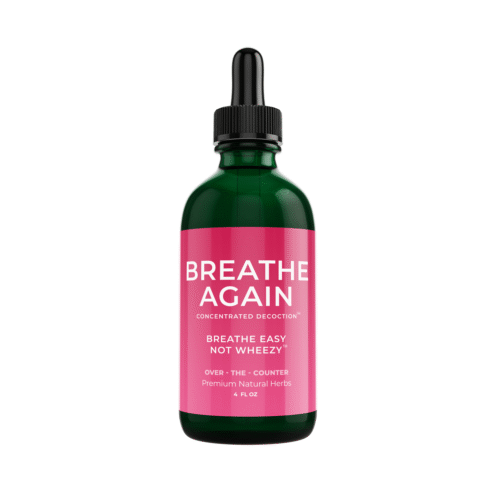
Breathe Again Concentrated Decoction™
Login to view prices -
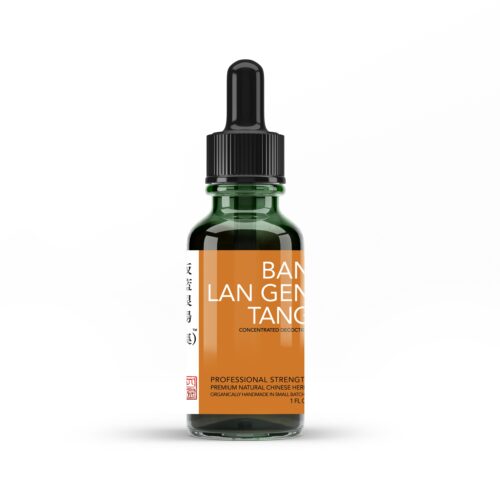
Ban Lan Gen Tang 板藍根湯
Login to view prices -
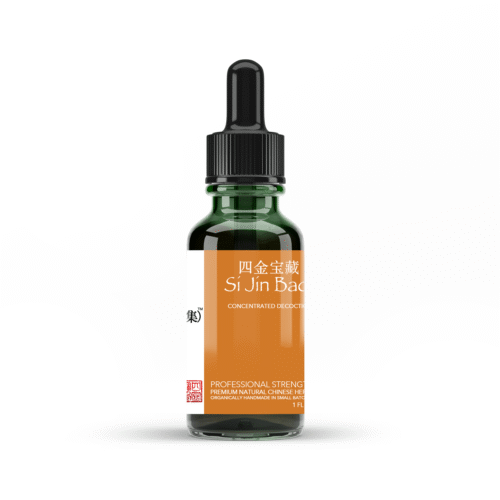
Bao Ji Tang 保济湯
Login to view prices -
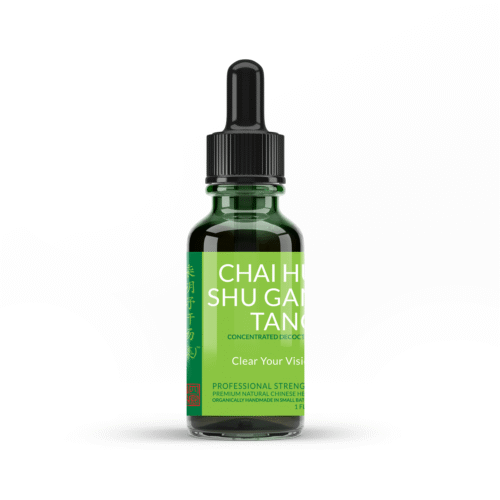
Chai Hu Shu Gan Tang 柴胡舒肝湯
Login to view prices

Reviews
There are no reviews yet.