Enjoy Free US Domestic Shipping on Orders Over $400+

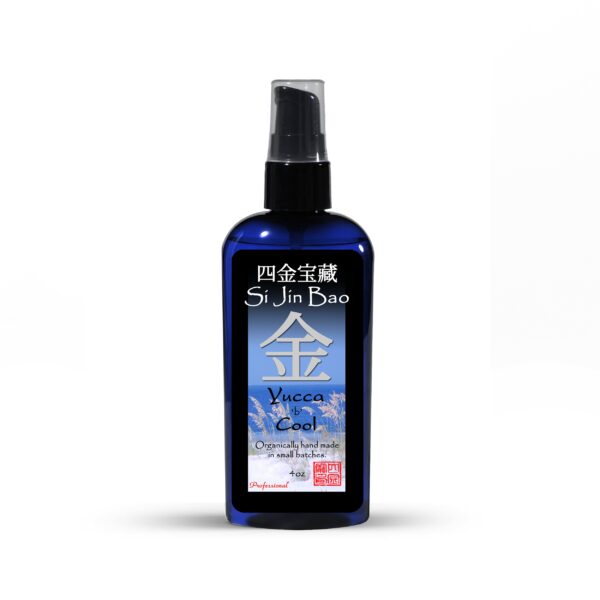
Yucca’b’Cool™ 丝兰
Login to view prices
- ACM/CCM/TCM Global Status: Safe & Effective
All Natural Face Cleanser – Reduces Facial Redness, Cleanses Skin, Smooths Out Rough Texture, Balances Red Skin
Skin: Red
Refresh, rebalance, and reveal your skin’s natural radiance. Yucca’b’Cool™ combines the purifying power of Yucca with time-honored Chinese herbs to gently cleanse, calm redness, and smooth rough texture—leaving your skin cool, clear, and beautifully balanced.
Topical Herbaceutical · 丝兰
丝兰凉爽
Yucca’b’Cool™
Skin: Red, Skin Eruptions
23 Years in Service
Origin
Yucca Meets the Chinese Cleansing Tradition
Yucca’b’Cool™ is a daily face cleanser built for skin that leans red — whether that’s a patient’s constitutional skin type or an active inflammatory presentation. The formula combines fresh Yucca root with Chinese medicinal herbs that calm heat and balance the surface, drawing on two distinct herbal traditions and weaving them into a single clinical product.
Yucca root has been used in Indigenous medicine across the Americas for centuries — as soap, shampoo, hair tonic, and a topical and internal cleanser carried by Indigenous warriors of the Southwest on long journeys. The root’s high natural saponin content produces a gentle, luxurious lather without harsh detergents, and its phytosterol content nourishes the skin barrier rather than stripping it. Yucca is one of the few American herbs to be integrated into Chinese-style topical practice in modern formulation, where its name in Chinese — Sī Lán, “silk orchid” — reflects the fibrous, structured character of the leaves.
Around that Yucca foundation, the formula adds Chinese herbs traditionally used to clear Heat from the skin (Huang Qin, Bei Zi Cao, Da Huang), drain Damp-Heat (Di Fu Zi, Cang Er Zi), cool blood (Chi Shao, Hong Hua), nourish Yin and harmonize (Sha Shen, Huang Qi), and refresh and disperse surface Heat (Bo He, Witch Hazel). The result is a daily cleanser that suits warm-running skin in its natural state, and that also has the herbal substance to support active Heat presentations when they arise.
The formula has been in continuous clinical use for over two decades. It is alcohol-free, gentle enough for the most sensitive skin, and made with fresh Yucca root.
Who It Is For
For Skin That Runs Warm
Yucca’b’Cool™ is built for skin that leans red. That includes the patient with a constitutional warm-leaning skin type — the one who flushes easily, runs warm at the surface, and has a naturally rosy or ruddy complexion — as much as it includes the patient with active Damp-Heat in the skin. Both groups benefit from the same daily cleanse: a saponin-based wash that lifts impurities without stripping, paired with herbs that calm and cool rather than aggravate.
For the constitutional red-leaning patient, this is simply their daily cleanser — one that suits their skin type rather than fighting it. For the patient with active surface inflammation — chronic facial redness, acne or acneiform eruptions, oily-Damp texture, the kind of pattern TCM identifies as Damp-Heat in the skin — the same formula addresses the inflammatory pattern at its source, not just the visible signs.
The formula cleanses the skin and lifts impurities through Yucca’s saponin action and the saponified carrier oils; clears Heat from the skin and channels with Huang Qin, Bei Zi Cao, and Da Huang; drains Damp-Heat with Di Fu Zi and Cang Er Zi; cools blood with Chi Shao Yao and Hong Hua; and nourishes Yin to prevent over-drying with Sha Shen. With consistent use, redness softens, surface texture refines, and the skin settles into balance.
Who It’s For
- The patient with naturally red-leaning, warm-running skin — their daily cleanser
- Patients who flush easily or have a constitutionally rosy complexion
- Persistent facial redness, whether constitutional or from chronic surface inflammation
- Acne and acneiform eruptions, especially with Heat signs
- Excess oil production with blackheads and visible pore congestion
- Rough, uneven facial texture from accumulated Damp
- Damp-Heat patterns at the surface (oily redness, not dry redness)
- Skin patterns that have not responded to conventional cleansers and toners
- Post-procedure skin where heat retention is slowing recovery
How the Formula Works
Cleanse, Cool, Restore
Yucca’b’Cool™ works in three simultaneous stages during each use — cleansing the surface, calming and cooling, and supporting balance underneath.
The cleansing engine — fresh Yucca root, saponified Apricot Kernel Oil, and saponified Sweet Almond Oil — produces a gentle, naturally lathering wash that lifts surface impurities, excess sebum, and accumulated debris from the pores. Unlike sulfate-based detergent cleansers, the saponins in Yucca and the saponified plant oils strengthen the lipid barrier rather than stripping it. The skin is left clean, balanced, and not over-dried.
The Heat-clearing core — Huang Qin (Scutellaria), Bei Zi Cao (Lithospermum), Da Huang (Rhubarb), Di Fu Zi (Kocia Fruit), and Cang Er Zi (Xanthium) — brings the Chinese herbal action that suits warm-leaning skin. Huang Qin is a foundational herb for clearing Heat from the upper body and is the formula’s primary calming ingredient. Bei Zi Cao supports skin tissue renewal. Da Huang clears Heat. Di Fu Zi and Cang Er Zi together drain Damp-Heat — the underlying pattern that often shows up as oily redness, surface congestion, or itching when it does flare.
The blood-cooling and harmonizing layer — Chi Shao Yao, Hong Hua, Sha Shen, Huang Qi, and Bo He — balances the formula. Chi Shao and Hong Hua cool and move blood, supporting an even, calm complexion. Sha Shen nourishes Yin and prevents the cleansing-and-clearing action from leaving the skin depleted. Huang Qi tonifies surface Qi. Bo He (Peppermint) and Witch Hazel Leaf Essence finish at the surface — refreshing, dispersing residual surface Heat, and toning the pores after cleansing.
When to Reach for It
Recognition
Reach for Yucca’b’Cool™ for any patient whose skin leans warm or red — whether that is the patient’s natural constitutional skin type or an active inflammatory presentation. Some skin runs warm by nature; some has accumulated Damp-Heat that needs clearing. Both benefit from the same daily cleanse. The formula is suited to ongoing daily use and is appropriate alongside acupuncture, internal herbal formulas, and dermatological care — not as a replacement for any of them.
Western terminology commonly associated with these TCM patterns:
- Reduces Facial Redness
- Cleanses Skin · Cleanses Blackheads
- Smooths Out Rough Texture
- Balances Red Skin
- Acne & acneiform eruption presentations
- pH Balancing · Detoxifying · Anti-Inflammatory
Practitioner-specific applications:
- Recommend as the daily cleanser for any patient whose skin runs warm or leans red
- Use within an integrative skin treatment series for active Damp-Heat presentations
- Pair with internal Heat-clearing formulas for systemic Damp-Heat presentations
- Use as the cleansing step before topical formulas like Wonderful™ or Schmoove™
- Send home with patients whose skin patterns require a non-stripping, non-drying daily cleanser
- Suitable for the most sensitive skin types — no harsh detergents, sulfates, or alcohol
丝兰
Twenty-Three Years on the Shelf
Yucca’b’Cool™ was built on a recognition that some skin simply runs warm — and that whether the patient’s red-leaning complexion is constitutional or driven by active surface inflammation, the same daily cleanser can work for both. Twenty-three years on, that recognition is still what makes the formula work.
Materia Medica · 本草
丝兰凉爽
Sī Lán Liáng Shuǎng
Yucca’b’Cool™
Skin: Red, Skin Eruptions
Yucca’b’Cool™ brings together fresh Yucca root, ten Chinese medicinal herbs, and Witch Hazel Leaf Essence in a saponin-based cleansing matrix. What follows is a full materia medica drawn from Indigenous American herbal tradition, the Shen Nong Ben Cao Jing, Li Shizhen’s Ben Cao Gang Mu, and Bensky’s modern synthesis — with attention to each ingredient’s role in cleansing the skin, calming heat, and supporting the warm-running, red-leaning skin type.
01
Herb 01 · Foundational Ingredient
丝兰
Yucca schidigera (fresh root)
Yucca, Mojave Yucca, Silk Orchid
Action
Saponin Cleanser, Detoxifier & Anti-Inflammatory
Tradition
Indigenous American · Integrated into Chinese-style topical practice
Properties
Bitter, slightly sweet · Cool · Cleansing
Actions
Cleanses, detoxifies, and reduces inflammation. The Yucca root contains a high concentration of natural saponins, which produce a gentle lather that lifts impurities, excess oil, and surface debris without the harsh detergent action of synthetic surfactants. Yucca is also a documented anti-inflammatory and a source of phytosterols — plant compounds with hormone-like activity that support the integrity of the skin barrier.
Indications
Skin congestion, blackheads, excess oil, surface impurity buildup, sensitive skin requiring a gentle non-stripping cleanser. Internally (in tradition outside this formula), Yucca has been used as a blood-cleansing tonic and as support for digestive and inflammatory conditions.
Cross-Tradition Reference
Yucca has been used by Indigenous peoples of the Americas for centuries — as soap, shampoo, and hair tonic, and as a topical and internal cleanser carried by Indigenous warriors of the Southwest on long journeys for both nutrition and personal care. Its integration into Chinese-style topical formulas reflects the broader principle of using what works — an approach that has been part of Chinese medicine since the Silk Road era, when herbs from across Eurasia and the Americas were incorporated into the evolving pharmacopeia.
Role in Formula
Yucca is the foundation of Yucca’b’Cool™. Its saponin content provides the formula’s gentle, natural lathering action, replacing the synthetic surfactants that dominate conventional facial cleansers. It is also where the formula’s name — and its character — come from: the cool, refreshing cleanse of fresh Yucca root.
02
Herb 02
巫婆榛叶精
Hamamelis virginiana
Witch Hazel Leaf Essence
Function
Astringent & Surface Toner
Nature & Flavor
Bitter, slightly sweet · Cool
Action Site
Skin surface · Pores · Connective tissue
Actions
Astringes the surface, tones the skin, and reduces pore size. Witch hazel’s high tannin content tightens the surface of the skin after the cleansing action of the Yucca and saponified oils, refining visible pore appearance and supporting the skin barrier post-wash. Modern research has documented its anti-inflammatory action through suppression of NF-κB signaling and inhibition of matrix metalloproteinases that contribute to surface inflammation.
Indications
Enlarged pores, surface redness, post-cleanse toning, mild surface inflammation. Suitable for sensitive skin types.
Cross-Tradition Reference
Witch hazel originates in North American Indigenous medicine alongside Yucca, where it was used for skin conditions, wound healing, and surface inflammation. Its inclusion in Yucca’b’Cool™ alongside Yucca reflects the formula’s deliberate integration of American and Chinese herbal traditions in a single product.
Role in Formula
Witch Hazel finishes what the Yucca starts. Where Yucca’s saponins lift impurities, witch hazel’s tannins tone and tighten the freshly-cleansed surface, refining pore appearance and leaving the skin feeling cool and balanced after rinse.
03
Herb 03
黃芩
Radix Scutellariae
Scutellaria Root, Skullcap Root
Category
Herbs that Clear Heat & Dry Damp
Nature & Flavor
Bitter · Cold
Channels
Lung · Gallbladder · Stomach · Large Intestine
Actions
Clears Heat and dries Damp, drains Fire, cools blood. Huang Qin is one of the most thoroughly documented Heat-clearing herbs in the materia medica, with well-established anti-inflammatory, antibacterial, and antiviral activity in modern pharmacology. It has a particular affinity for the upper body, including the head, face, and respiratory system — making it foundational for any topical that addresses facial inflammation.
Indications
Damp-Heat in the upper body, Heat in the Lungs (which TCM associates with skin presentations), bloodshot eyes, sinus congestion with heat, facial inflammation, acneiform skin patterns with heat signs.
Classical Reference
Listed as a middle-grade herb in the Shen Nong Ben Cao Jing. Modern pharmacology has identified the flavone baicalin as one of its principal active compounds — well-documented in dermatological research for anti-inflammatory and antimicrobial activity. Li Shizhen’s Ben Cao Gang Mu describes Huang Qin’s action as “clearing the Heat that rises and produces eruptions on the surface.”
Role in Formula
Huang Qin is the primary Heat-clearing engine in Yucca’b’Cool™. It addresses the Damp-Heat pattern that produces facial redness, eruptions, and chronic surface inflammation. Its presence is what allows the formula to do more than cleanse — it begins to resolve the underlying inflammatory pattern with consistent use.
04
Herb 04
紫草
Radix Lithospermi
Lithospermum Root, Gromwell Root
Category
Herbs that Cool the Blood & Resolve Toxicity
Nature & Flavor
Sweet, salty · Cold
Channels
Heart · Liver
Actions
Cools the blood, clears toxicity, and regenerates the flesh. Zi Cao is a foundational topical herb across centuries of Chinese skin medicine, used for everything from burns and rashes to chronic inflammatory skin conditions. Its principal active compound is shikonin, which has documented wound-healing, anti-inflammatory, and tissue-regenerating activity in modern pharmacology.
Indications
Inflammation-prone skin, surface eruptions, slow-healing minor surface lesions, Heat-Toxin presentations in the skin, chronic surface inflammation that has not resolved with conventional care.
Classical Reference
First recorded in the Shen Nong Ben Cao Jing for inflammatory skin presentations, Zi Cao has been used in Chinese trauma and burn formulas for over fifteen hundred years. Modern research has documented shikonin’s mechanisms in detail: stimulation of fibroblast activity, inhibition of inflammatory cytokines, and enhancement of microcirculation in the dermal layer.
Role in Formula
Zi Cao supports the renewal of skin tissue compromised by chronic inflammation. In a daily cleanser context, its role is to address the surface eruptions, post-inflammatory marks, and slow surface healing that often accompany Damp-Heat skin patterns — supporting the skin’s own regenerative process with each use.
05
Herb 05
大黄
Radix et Rhizoma Rhei
Rhubarb Root
Category
Downward Draining Herbs · Purgative
Nature & Flavor
Bitter · Cold
Channels
Spleen · Stomach · Heart · Liver · Large Intestine
Actions
Drains Heat, resolves toxicity, invigorates blood. In topical applications, Da Huang’s anthraquinone content (particularly emodin and rhein) produces well-documented antibacterial and anti-inflammatory effects, and helps clear the Heat-Toxin patterns that drive surface eruptions and inflammatory skin presentations.
Indications
Heat-Toxin presentations in the skin, acneiform inflammation, surface eruptions with heat signs, chronic surface inflammation accompanied by Damp-Heat constitutional patterns.
Classical Reference
Listed in the Shen Nong Ben Cao Jing and used continuously since. Classical authors valued Da Huang for its “draining without depleting” action when properly prepared — clearing accumulated Heat-Toxin without weakening the underlying constitution. In topical use, this translates to anti-inflammatory action without surface irritation.
Role in Formula
Da Huang reinforces the Heat-clearing action of Huang Qin and the toxicity-resolving action of Zi Cao. In the cleanser context, its anti-inflammatory and antibacterial activity addresses the surface bacterial component that often accompanies acneiform Damp-Heat skin patterns.
06
Herb 06
地肤子
Fructus Kochiae
Kochia Fruit, Belvedere Fruit
Category
Herbs that Drain Damp · Anti-Pruritic
Nature & Flavor
Sweet, bitter · Cold
Channels
Bladder
Actions
Clears Damp-Heat, stops itching, dispels Wind. Di Fu Zi is one of the classical herbs for Damp-Heat presentations of the skin — particularly when itching, surface congestion, or chronic surface eruptions are part of the picture. It addresses both the underlying Damp-Heat and the surface symptoms it produces.
Indications
Damp-Heat skin patterns with itching, chronic surface eruptions, congested pores, surface inflammation with heat and damp components, eczematous-style presentations.
Classical Reference
Recorded in the Shen Nong Ben Cao Jing as an upper-grade herb. Classical sources describe Di Fu Zi as “draining the Damp that has settled into the skin and lifting the Heat that produces itching.” Its dual action makes it foundational for Damp-Heat skin presentations.
Role in Formula
Di Fu Zi addresses the Damp component of Damp-Heat in the skin — the surface congestion, oily-flushed presentations, and persistent surface eruptions that define this TCM pattern. It pairs with Cang Er Zi as the formula’s Damp-clearing arm.
07
Herb 07
蒼耳子
Fructus Xanthii
Xanthium Fruit, Cocklebur Fruit
Category
Warm, Acrid Herbs that Release the Exterior
Nature & Flavor
Acrid, bitter · Warm
Channels
Lung
Actions
Dispels Wind-Damp, opens the surface, relieves pain. Cang Er Zi is classical for Wind-Damp obstruction at the surface — including the kind that manifests as chronic surface congestion, sinus involvement, and skin presentations where Damp has accumulated and Wind makes the symptoms shift or migrate.
Indications
Sinus and surface congestion, Wind-Damp at the surface, chronic skin patterns with shifting presentations, surface inflammation accompanied by sinus or upper respiratory components.
Classical Reference
Recorded in the Shen Nong Ben Cao Jing. Classical authors valued Cang Er Zi specifically for its ability to “open what Wind-Damp has closed” — making it appropriate for chronic, accumulated Damp presentations that resist gentler approaches.
Role in Formula
Cang Er Zi pairs with Di Fu Zi to drain Damp from the surface and address the Wind-Damp dimension of chronic skin patterns. Together they handle the full Damp-clearing function the formula needs.
08
Herb 08
炒赤芍
Radix Paeoniae Rubra (dry-fried)
Red Peony Root
Category
Herbs that Invigorate Blood & Resolve Stasis
Nature & Flavor
Sour, bitter · Slightly cold
Channels
Liver
Actions
Cools blood and invigorates blood to resolve stasis. The dry-fried preparation softens the cooling action and concentrates the blood-moving function. In skin contexts, Chi Shao addresses the redness and inflammation that develop when Heat has settled into the blood at the surface.
Indications
Heat in the blood with surface presentation (red, hot skin), chronic facial redness, post-inflammatory skin marks, Heat-driven surface inflammation.
Classical Reference
Li Shizhen’s Ben Cao Gang Mu describes Chi Shao as “descending and dispersing, drawing Heat downward and opening stagnation.” The distinction between Chi Shao (Red Peony, blood-moving) and Bai Shao (White Peony, blood-nourishing) was formalized by the Tang dynasty.
Role in Formula
Chi Shao pairs with Hong Hua to address the Heat-in-the-blood component of facial redness and chronic surface inflammation. Where Huang Qin and Da Huang clear Heat from the channels, Chi Shao and Hong Hua clear it from the blood — addressing the deeper layer of the inflammatory pattern.
09
Herb 09
紅花
Flos Carthami
Safflower
Category
Herbs that Invigorate Blood & Resolve Stasis
Nature & Flavor
Acrid · Warm
Channels
Heart · Liver
Actions
Invigorates blood, resolves stasis, alleviates pain. Hong Hua is a foundational blood-mover with documented effects on microcirculation. In topical and skin formulas, it addresses the stagnant blood that contributes to post-inflammatory marks, uneven pigmentation, and the persistent redness that accompanies chronic surface inflammation.
Indications
Blood stasis in the skin, post-inflammatory pigmentation, fixed redness, dull or congested complexion, marks remaining after surface eruptions have resolved.
Classical Reference
Hong Hua entered the Chinese pharmacopeia through the trade routes from Persia and Egypt. Li Shizhen’s Ben Cao Gang Mu describes Hong Hua as having a specific affinity for “resolving the stagnation that remains after Heat has cleared” — precisely the situation it addresses in Yucca’b’Cool™.
Role in Formula
Hong Hua works alongside Chi Shao on the blood layer. While Chi Shao cools and moves blood simultaneously, Hong Hua focuses on movement — addressing the leftover stagnation that produces lingering marks and uneven texture once acute surface inflammation has resolved.
10
Herb 10
黄芪
Radix Astragali
Astragalus Root
Category
Tonifying Herbs — Qi Tonics
Nature & Flavor
Sweet · Slightly warm
Channels
Lung · Spleen
Actions
Tonifies Qi, strengthens Wei Qi, and promotes tissue regeneration. Huang Qi has a documented classical action of generating flesh — supporting the regrowth of damaged tissue and the resolution of chronic surface lesions. In TCM, it also strengthens the Wei Qi that protects the surface, which is foundational for skin that has lost its protective integrity through chronic inflammation.
Indications
Slow tissue repair, post-inflammatory recovery, weak surface defenses, skin that flares easily and recovers slowly.
Classical Reference
Listed as an upper-grade herb in the Shen Nong Ben Cao Jing. Classical texts credit Huang Qi with the ability to “expel pus and generate flesh” — promoting the granulation tissue and tissue repair that follow surface inflammation.
Role in Formula
Huang Qi balances the cleansing and Heat-clearing action of the formula with its tonifying counterweight. In a daily cleanser intended for chronic-presentation skin, the regenerative support is essential — preventing the formula from clearing without rebuilding.
11
Herb 11
北沙參
Radix Glehniae
Glehnia Root, Coastal Glehnia
Category
Tonifying Herbs — Yin Tonics
Nature & Flavor
Sweet, slightly bitter · Slightly cold
Channels
Lung · Stomach
Actions
Nourishes Lung Yin, generates fluids, and clears Lung Heat. In TCM, the Lung governs the skin — meaning that the integrity, hydration, and tone of the skin reflect the state of Lung Yin. Sha Shen addresses Lung Yin depletion that often accompanies chronic Heat-pattern skin presentations.
Indications
Dryness underlying surface redness, depleted skin from chronic inflammation, post-procedure or post-treatment recovery where Yin support is needed.
Classical Reference
Recorded in the Ben Cao Gang Mu. Sha Shen is the gentler counterpart to other Yin tonics, nourishing without producing the heaviness that some can cause — making it appropriate for daily use and for skin that needs sustained moisture support.
Role in Formula
Sha Shen prevents the cleansing-and-clearing action of the formula from leaving the skin depleted. By nourishing Yin and generating fluids alongside the Heat-clearing herbs, it ensures that Yucca’b’Cool™ cleanses without stripping — appropriate even for skin with mixed Heat-and-dryness presentations.
12
Herb 12
薄荷
Herba Menthae
Field Mint, Chinese Peppermint
Category
Cool, Acrid Herbs that Release the Exterior
Nature & Flavor
Acrid · Cool · Aromatic
Channels
Lung · Liver
Actions
Disperses Wind-Heat, clears the head and eyes, vents rashes. Bo He is a gentle, aromatic disperser — its action is to lift Heat off the surface and refresh the upper body. In topical applications, the menthol content provides a cooling sensation that the skin registers immediately, while the aromatic compounds disperse trapped surface Heat.
Indications
Surface Heat, hot skin, irritation that needs cooling, Wind-Heat presentations at the surface, post-cleansing refreshing.
Classical Reference
Bo He has been used in Chinese herbal medicine for over a thousand years. Classical authors valued its “lifting and dispersing” action — carrying Heat off the surface and refreshing the senses simultaneously.
Role in Formula
Bo He provides the formula’s signature cooling sensation. In partnership with Witch Hazel Leaf Essence, it gives Yucca’b’Cool™ the immediately-recognizable cool, refreshing finish at the end of the cleansing process — while the deeper Heat-clearing herbs continue working in the underlying tissue.
P1
Cleansing Carrier
杏子洗手液
Saponified Prunus armeniaca oleum
Saponified Apricot Kernel Oil
Function
Natural Cleansing Surfactant
Source
Cold-pressed apricot kernel oil, traditionally saponified
Properties
Sweet · Warm · Vitamin-rich, gentle on barrier
Function in the Formula
Plant-Based Surfactant
Saponified apricot kernel oil produces a gentle, naturally-derived cleansing action without the barrier-stripping effects of synthetic sulfates. The traditional saponification process converts the oil into a soap-like surfactant while preserving the vitamins and lipid character that nourish the skin during cleansing.
P2
Cleansing Carrier
甘杏仁洗手液
Saponified Prunus amygdalus dulcis oleum
Saponified Sweet Almond Oil
Function
Natural Cleansing Surfactant & Conditioner
Source
Cold-pressed sweet almond oil, traditionally saponified
Properties
Sweet · Neutral to warm · Conditioning
Function in the Formula
Co-Surfactant & Skin Conditioning
Saponified sweet almond oil pairs with the apricot version to provide a balanced, gentle cleansing action that conditions the skin during use. The combined surfactants partner with Yucca’s natural saponins to produce the formula’s characteristic luxurious lather without harsh detergents.
P3
Preparation Ingredient
蔬菜甘油
Glycerinum Vegetabile
Vegetable Glycerin
Purpose
Humectant & Carrier
Source
Plant-derived, food-grade
Properties
Sweet · Neutral · Moisturizing
Function in Preparation
Carrier & Humectant
Vegetable glycerin draws moisture into the skin and serves as a stable, non-irritating carrier for the herbal extracts. In a cleanser context, glycerin balances the saponin cleansing action by retaining surface hydration during use — preventing the dryness that often follows conventional washing.
P4
Preparation Ingredient
蒸馏水
Aqua Destillata
Distilled Water
Purpose
Extraction & Formulation Medium
Source
Purified, pharmaceutical-grade
Properties
Neutral · Free of contaminants
Function in Preparation
Extraction Medium
Distilled water serves as the extraction medium for the water-soluble active compounds in the Chinese herbs and the Witch Hazel Leaf Essence, and as the dilution base for the saponin cleansers. The clean, contaminant-free base ensures the formula’s therapeutic action comes from the herbs alone.
丝兰
A Cleanser That Treats
Each ingredient in Yucca’b’Cool™ addresses one part of what red-leaning skin needs: Yucca and the saponified oils to cleanse without stripping; Huang Qin, Bei Zi Cao, and Da Huang to clear Heat; Di Fu Zi and Cang Er Zi to drain Damp; Chi Shao and Hong Hua to cool and move blood; Sha Shen and Huang Qi to nourish and rebuild; Bo He and Witch Hazel to refresh and tone the surface. The result is a daily cleanser that treats warm-running skin as a constitutional type to be supported — not a problem to be fought.
Yucca’b’Cool™ · Daily Cleansing Routine · 外用
Course of Treatment
Yucca’b’Cool™ is designed for daily face cleansing on warm-leaning, red-prone skin. The saponin-based formulation produces a gentle, naturally lathering cleanse that lifts impurities while the underlying Chinese herbs calm and balance the surface.
Daily Use
A small amount, warm to hot water
Apply to wet skin, lather a few moments to penetrate the pores, then rinse thoroughly with ample water.
Frequency
Once daily
Continued Use
Daily, ongoing
The Cleansing Routine
The Four Steps
Yucca’b’Cool™ is most effective when used consistently as part of the daily routine. The saponin lather needs a few moments of contact time to lift impurities and allow the herbal compounds to begin their action at the skin surface.
-
Step 01WetWet the skin with warm to hot water to open the pores.
-
Step 02ApplyDispense a small amount — the natural saponins lather generously.
-
Step 03LatherLather a few moments to penetrate the pores.
-
Step 04RinseRinse thoroughly with ample water until skin feels clean and balanced.
Note: Yucca’b’Cool™ is alcohol-free and gentle enough for daily use on the most sensitive skin. The standard recommendation is once daily, unless otherwise directed by the practitioner. It is appropriate as a daily cleanser for anyone whose skin runs warm or leans red — constitutional or otherwise. Within an integrative skin treatment series, it can be paired with leave-on formulas like Wonderful™ or Schmoove™ applied after rinse for layered topical care.
Copy of Yucca b Cool for Consumer by SJB Team
Research · 研究
丝兰凉爽
Sī Lán Liáng Shuǎng
Peer-Reviewed Evidence
Six Studies on the Herbs in Yucca’b’Cool™
What follows is peer-reviewed research on the principal active herbs in Yucca’b’Cool™ — with focus on Yucca’s saponin and polyphenolic activity, Huang Qin’s well-documented anti-acne mechanism, and the surface-acting Witch Hazel and Zi Cao components. These studies are provided for practitioner reference.
01
Study 01 · Pharmacological Review
Journal of Inflammation · 2006
Herb focus: Yucca (Sī Lán)
Design
Comprehensive pharmacological review
Scope
Steroidal saponins, yuccaols (polyphenolics), resveratrol · NF-κB/iNOS pathway
Relevance
Foundation for Yucca’s mechanism in topical anti-inflammation
Background
Yucca schidigera has been used in traditional medicine of the Americas for anti-inflammatory and tissue-cleansing applications across many centuries. The plant is one of the richest natural sources of steroidal saponins (up to 10% of stem content) and contains a distinctive group of polyphenolics including resveratrol and the yucca-specific compounds yuccaols A through E. This review synthesizes the known biological activities of these components.
Key Findings
Yucca’s polyphenolics demonstrated documented anti-inflammatory activity through inhibition of the NF-κB transcription factor — the same pathway targeted by many of the most effective topical anti-inflammatories in modern dermatology. NF-κB inhibition reduces inducible nitric oxide synthase (iNOS) expression, which in turn reduces production of nitric oxide as an inflammatory mediator. Yucca phenolics also act as antioxidants and free-radical scavengers, addressing the reactive oxygen species component of inflammation.
Mechanistic Detail
The review identified that Yucca’s saponins act as natural detergents that form stable foams while containing both fat- and water-soluble components — explaining the herb’s traditional use as soap and shampoo without the barrier-stripping effect of synthetic surfactants. The combination of saponin cleansing action with phenolic anti-inflammatory activity in a single ingredient is unusual in the materia medica.
Relevance to Yucca’b’Cool™
This review documents what makes Yucca uniquely suited as the foundation of an anti-inflammatory cleanser: it cleans the skin and reduces inflammation through complementary mechanisms in the same ingredient. The NF-κB-targeting action of Yucca polyphenolics sits alongside the anti-inflammatory action of Huang Qin in the formula — addressing the inflammatory pathway from two distinct angles.
Citation
Cheeke PR, Piacente S, Oleszek W. Journal of Inflammation, 2006. “Anti-inflammatory and anti-arthritic effects of Yucca schidigera: A review.” DOI: 10.1186/1476-9255-3-6 · PMCID: PMC1440857
02
Study 02 · In Vitro & In Vivo Mechanism
Brazilian Journal of Medical and Biological Research · 2020
Herb focus: Huang Qin (Scutellaria baicalensis) — baicalin
Design
THP-1 cell model + Sprague-Dawley rat acne model
Pathways
NF-κB, MAPK, NLRP3 inflammasome
Relevance
Direct evidence of baicalin’s mechanism in acne and inflammatory skin patterns
Background
Acne is a chronic skin inflammation driven in part by Propionibacterium acnes (now Cutibacterium acnes) activation of the inflammatory cascade. Conventional therapies rely heavily on topical antibiotics, but increasing antibiotic resistance has made plant-derived alternatives an active area of research. Baicalin, a flavonoid isolated from Radix Scutellariae (Huang Qin), has well-documented anti-inflammatory and antibacterial properties.
Methods
Heat-killed P. acnes-induced THP-1 macrophage cells and live P. acnes-injected male Sprague Dawley rats were used to establish in vitro and in vivo acne models. Baicalin was administered at multiple concentrations alongside controls. Outcomes measured included inflammatory cytokine expression, NF-κB and MAPK signaling pathway activation, and NLRP3 inflammasome activity.
Findings
Baicalin significantly suppressed P. acnes-induced skin inflammation in both the cell model and the animal model. The mechanism involved downregulation of the NF-κB and MAPK signaling pathways and inhibition of NLRP3 inflammasome activation — addressing the inflammatory cascade at multiple complementary levels. The authors concluded that baicalin demonstrates strong potential as a natural anti-acne agent without the adverse effects associated with conventional therapies.
Relevance to Yucca’b’Cool™
This study documents the molecular explanation for what classical Chinese authors observed: Huang Qin clears Heat from the upper body and resolves the surface eruptions that result. The mechanisms identified — NF-κB suppression, MAPK pathway downregulation, NLRP3 inflammasome inhibition — correspond directly to the anti-acne and anti-redness effects practitioners observe with sustained use of Yucca’b’Cool™.
Citation
Fang F, Xie Z, Quan J, et al. Brazilian Journal of Medical and Biological Research, 2020. “Baicalin suppresses Propionibacterium acnes-induced skin inflammation by downregulating the NF-κB/MAPK signaling pathway and inhibiting activation of NLRP3 inflammasome.” DOI: 10.1590/1414-431X20209949 · PMCID: PMC7584154
03
Study 03 · Comparative Mechanism Study
International Journal of Molecular Sciences · 2018
Herb focus: Huang Qin — multiple flavones (baicalin, baicalein, wogonin)
Design
In vitro cytokine assays + in vivo P. acnes inflammation model
Scope
Seven flavones isolated from Scutellariae radix
Relevance
Confirms broad-spectrum activity of whole-herb Huang Qin extract
Background
Scutellariae radix — the root of Scutellaria baicalensis (Huang Qin) — has been used in traditional Chinese medicine to treat allergic and inflammatory diseases for centuries. Beyond baicalin (the most studied compound), Huang Qin contains a complex of related flavones including baicalein, wogonin, and oroxylin-A. This study aimed to characterize the anti-acne potential of seven flavones isolated from the herb.
Findings
All seven flavones demonstrated suppressive effects on P. acnes-induced inflammatory cytokine production in both in vitro and in vivo models. The flavones acted through complementary mechanisms, with different compounds favoring different inflammatory pathways. The authors noted that whole-herb Huang Qin extracts that retain the full flavone complex tend to produce broader effects than isolated single compounds — consistent with the classical Chinese principle of using whole herb preparations rather than isolates.
Relevance to Yucca’b’Cool™
Yucca’b’Cool™ uses whole Huang Qin root, not isolated baicalin. This study supports the formulation choice: the broader anti-inflammatory and anti-acne activity comes from the complete flavone complex working together, rather than from any single compound. It is a documented case of where classical herbal practice and modern pharmacology converge.
Citation
International Journal of Molecular Sciences, 2018. “Flavones Isolated from Scutellariae radix Suppress Propionibacterium Acnes-Induced Cytokine Production In Vitro and In Vivo.” PMCID: PMC6273464
04
Study 04 · In Vitro Mechanism
PMC · 2022
Herb focus: Witch Hazel — hamamelitannin in keratinocytes
Design
Standardized witch hazel extract + isolated hamamelitannin in keratinocytes
Scope
Inflammatory cytokine release, NF-κB signaling, MMP-9 activity
Relevance
Documents witch hazel’s specific molecular activity at the skin surface
Background
Witch hazel has long-standing topical use, but the specific molecular mechanisms underlying its dermatological effects had not been fully characterized. This study investigated the standardized extract and the principal active compound (hamamelitannin) in human keratinocytes challenged with an inflammatory cytokine milieu.
Findings
Witch hazel extract inhibited the release of inflammatory mediators (IL-6, IL-17C, TSLP, CCL26, MMP-9) in a concentration-dependent fashion, with IC50 values below 25 μg/mL. The mechanism was attributed to impairment of NF-κB-driven transcription — the same pathway targeted by Yucca polyphenolics and Huang Qin’s flavones. The extract counteracted proliferative effects of IL-4 and recovered K10, a marker of normal skin differentiation.
Relevance to Yucca’b’Cool™
Three of the formula’s principal anti-inflammatory ingredients — Yucca, Huang Qin, and Witch Hazel — all act through NF-κB inhibition. Their convergence on this pathway from different angles produces a level of anti-inflammatory action that no single ingredient can deliver. The MMP-9 inhibition is particularly relevant: this matrix metalloproteinase is one of the principal enzymes that breaks down the collagen matrix supporting healthy skin structure.
Citation
Unveiling the Ability of Witch Hazel (Hamamelis virginiana L.) Bark Extract to Impair Keratinocyte Inflammatory Cascade. 2022. PMCID: PMC9408886
05
Study 05 · In Vitro Mechanism
PMC · In Vitro Skin Cell Study
Herb focus: Zi Cao (Lithospermum) — shikonin proteasome & collagen pathway
Design
Human dermal fibroblast cultures + procollagen ELISA
Scope
Cell proliferation, inflammation suppression, collagen synthesis
Relevance
Direct evidence of shikonin’s mechanism in human skin cells
Background
Lithospermi Radix (Zi Cao) has been used in Chinese medicine for the treatment of wounds, burns, ulcers, and skin disorders for over fifteen hundred years — first recorded in the Shen Nong Ben Cao Jing. This study investigated the mechanism by which shikonin, the herb’s principal naphthoquinone, promotes skin cell proliferation and suppresses inflammation in human dermal fibroblasts.
Findings
Shikonin promoted cell growth in human dermal fibroblasts and inhibited NF-κB nuclear translocation through proteasome inhibition. The authors concluded that shikonin promotes wound healing through cell-growth-promoting activity and suppresses skin inflammation through proteasome inhibition — making it a potential therapeutic agent both for wound healing and for inflammatory skin conditions.
Relevance to Yucca’b’Cool™
Zi Cao addresses what the cleansing and Heat-clearing herbs cannot: the underlying tissue regeneration that allows surface eruptions and post-inflammatory marks to actually resolve. Its NF-κB inhibition adds a fourth mechanism to the formula’s converging anti-inflammatory pathways, while its fibroblast-proliferation activity supports the skin’s renewal between cleansing applications.
Citation
Shikonin Promotes Skin Cell Proliferation and Inhibits Nuclear Factor-κB Translocation via Proteasome Inhibition In Vitro. PMCID: PMC4717985
06
Study 06 · Pharmacological Review
PubMed Central · 2025
Herb focus: Witch Hazel Leaf Essence (Hamamelis virginiana)
Design
Comprehensive review of pharmacology and cosmetological applications
Scope
Phenolic acids, flavonoids, catechins, proanthocyanidins, and tannins
Relevance
Validates witch hazel as a topical with broad surface activity
Background
Witch hazel has been used in dermatological practice for centuries, originating in North American Indigenous medicine and integrated into European and contemporary skincare. The plant’s bark and leaves contain a rich array of bioactive compounds — phenolic acids, flavonoids, catechins, proanthocyanidins, and tannins — that produce its astringent, anti-inflammatory, antioxidant, and wound-healing effects.
Key Findings
Witch hazel extracts demonstrate effectiveness against bacteria, fungi, and some viruses; exert anti-inflammatory effects by modulating cytokine expression and NF-κB signaling; improve skin regeneration; and protect against UV-induced damage. The principal active compound, hamamelitannin, has been shown to inhibit superoxide-radical-induced damage in dermal fibroblasts at concentrations exceeding the activity of gallic acid.
Relevance to Yucca’b’Cool™
In a daily cleanser context, witch hazel’s combined astringent, anti-inflammatory, antioxidant, and antimicrobial activity is what allows the formula to refine pores and tone the surface after cleansing without producing the dryness or irritation that conventional astringent toners can cause. It finishes the cleansing action that Yucca begins.
Citation
Hamamelis virginiana L. in Skin Care: A Review of Its Pharmacological Properties and Cosmetological Applications. 2025. PMCID: PMC12250947
丝兰
Tradition Meets Mechanism
Three of Yucca’b’Cool™’s principal active herbs — Yucca, Huang Qin, and Witch Hazel — converge on the NF-κB inflammatory pathway from different angles. Zi Cao adds a fourth NF-κB mechanism through proteasome inhibition. Together they produce a calming, anti-inflammatory action that no single ingredient delivers alone — supporting warm-running skin in its natural state and offering the herbal substance to address active Heat presentations when they arise. The saponin cleansing action lifts impurities from the skin while these mechanisms work in the background. The herbs are doing exactly what classical authors and modern researchers have documented they do.
Related products
-

Yucca’b’Energized™ 丝兰
Login to view prices -
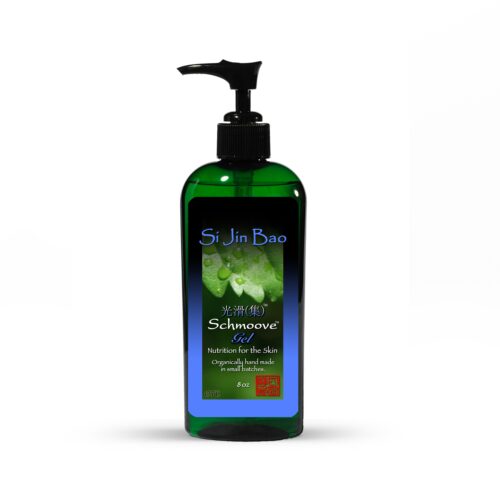
Schmoove™ PRO Guang Hua 光滑(集)
Login to view prices -
Wonderful™ OTC 美妙(集) Mei Mao
Login to view prices -
Schmoove™ OTC Guang Hua 光滑(集)
Login to view prices

Reviews
There are no reviews yet.